Author: GEM Tours

  • The Agabat Valley: Exploring the Enchanting Beauty and Rich Heritage

    The Agabat Valley: Exploring the Enchanting Beauty and Rich Heritage

    Welcome to the Agabat Valley, a hidden gem nestled amidst the awe-inspiring landscapes of Farafra Oasis. With its stunning geographical features, historical significance, and environmental importance, the Agabat Valley offers a truly captivating experience for nature enthusiasts and history buffs. Let’s journey through this extraordinary valley and uncover its secrets.

    The Agabat Valley is a mesmerizing destination that showcases nature’s artistic prowess through its rugged terrains, majestic rock formations, and picturesque dunes. It has gained recognition as a unique and enchanting natural wonder, drawing visitors from around the globe.

    Overview of the Agabat Valley

    Geographical location and key features

    Situated in Farafra Oasis, the Agabat Valley is surrounded by breathtaking mountains and is part of a larger desert region. Its distinguishing features include the presence of towering rock formations, vast stretches of golden dunes, and an array of flora and fauna that thrive in this diverse ecosystem. C. Importance and significance of the valley The Agabat Valley holds immense significance, both in terms of its historical heritage and environmental value. Its geological formations provide valuable insights into the Earth’s ancient past, while its diverse ecosystem contributes to the overall biodiversity of the region.

    Geographical Features of the Agabat Valley

    Description of the valley’s landscape

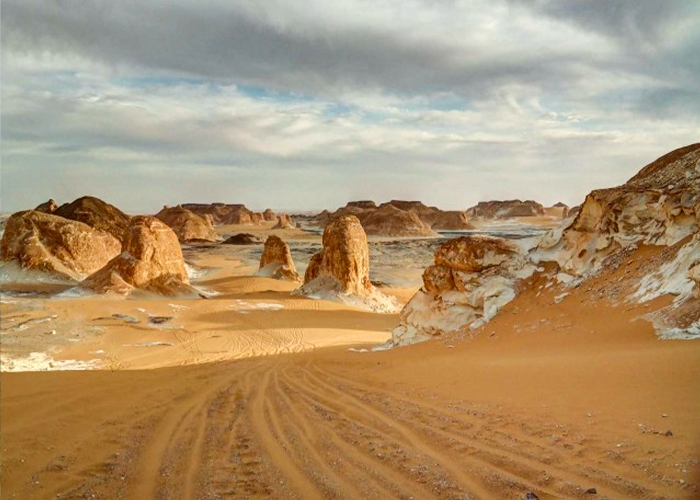
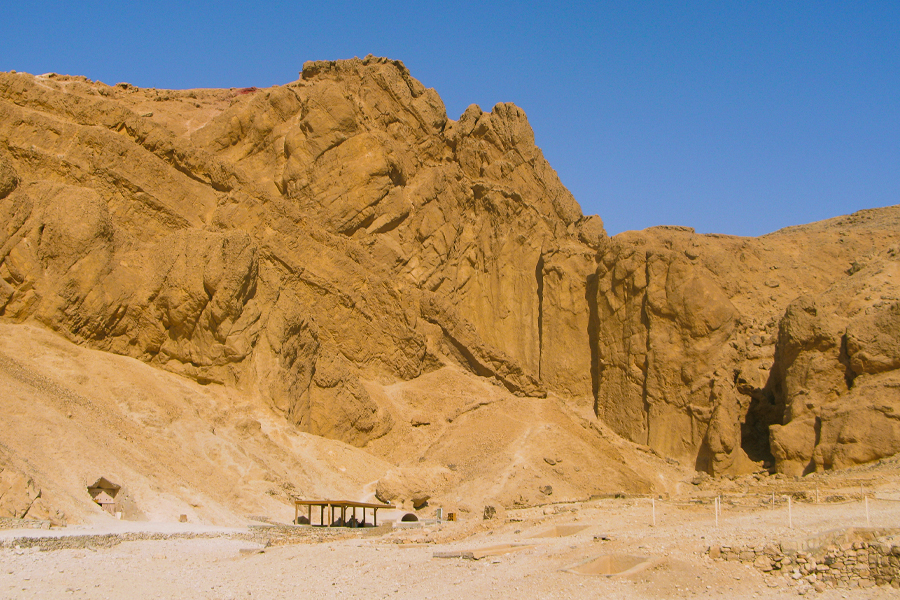
    The Agabat Valley boasts a surreal landscape characterized by rocky outcrops, towering cliffs, and undulating dunes. This dramatic scenery creates a sense of wonder and adventure, enticing visitors to explore its hidden treasures.

    Rock formations and unique geological features

    The valley is renowned for its striking rock formations, sculpted by wind and water erosion over thousands of years. Towering monoliths, natural arches, and rugged cliffs provide a stunning backdrop for nature lovers and photographers alike.

    Presence of dunes and their characteristics

    The Agabat Valley is home to vast stretches of pristine dunes, their golden hues shifting and changing with the play of sunlight. These majestic dunes, some reaching several meters, offer a surreal setting for adventure and exploration.

    Flora and fauna diversity in the valley

    Despite the arid environment, the Agabat Valley hosts a surprising diversity of plant and animal life. Hardy desert plants, including cacti and resilient shrubs, thrive in this harsh climate. The valley is also a sanctuary for various species of desert-adapted wildlife, such as desert foxes, lizards, and rare bird species.

    Historical Significance and Cultural Heritage

    Historical background of the Agabat Valley

    The Agabat Valley has a rich historical legacy dating back centuries. It was a crucial trading route, attracting ancient civilizations and nomadic tribes who left their marks on the land.

    Ancient civilizations and their influence on the valley

    Several ancient civilizations traversed the Agabat Valley, leaving remnants of their cultures. These influences can be seen in the ancient ruins, petroglyphs, and inscriptions within the valley’s boundaries.

    Archaeological sites and artifacts found in the area

    Archaeological expeditions have unearthed fascinating artifacts, offering glimpses into the daily lives and traditions of the people who once inhabited the valley. Pottery fragments, tools, and even ancient burial sites provide valuable insights into the valley’s historical significance.

    Cultural traditions and practices associated with the valley

    The Agabat Valley is steeped in cultural traditions and practices passed down through generations. Local communities celebrate their heritage through vibrant festivals, music, dance, and storytelling, keeping the valley’s cultural fabric alive.

    Tourism and Recreation in the Agabat Valley

    Development of tourism infrastructure

    In recent years, efforts have been made to develop sustainable tourism infrastructure within the Agabat Valley. Accommodation options, from eco-friendly resorts to camping facilities, cater to visitors seeking an immersive natural experience.

    Popular activities and attractions for visitors

    The Agabat Valley offers many activities and attractions for visitors to enjoy. From exhilarating desert safaris and camel rides to stargazing under the clear desert skies, there is something for everyone seeking adventure and tranquility.

    Adventure sports and outdoor activities available

    Adventure enthusiasts can indulge in thrilling experiences such as sandboarding down the majestic dunes, rock climbing the rugged cliffs, or embarking on guided hikes to explore the hidden corners of the valley.

    Ecotourism initiatives and conservation efforts

    Recognizing the fragile ecosystem of the Agabat Valley, various ecotourism initiatives and conservation efforts have been implemented. These aim to minimize the environmental impact while raising awareness about the valley’s unique biodiversity and the need for its preservation.

    Environmental Importance and Conservation

    Ecosystems and Biodiversity in the Agabat Valley

    The Agabat Valley is a haven for diverse ecosystems, each contributing to the overall ecological balance. It supports various plant species, providing habitats for insects, reptiles, and desert-adapted wildlife.

    Threats to the environment and conservation challenges

    Like many fragile ecosystems, the Agabat Valley faces various threats, including habitat degradation, climate change, and unsustainable tourism practices. These challenges highlight the importance of implementing effective conservation strategies.

    Conservation organizations and initiatives in the valley

    Several organizations are dedicated to conserving and preserving the Agabat Valley’s natural heritage. Through research, education, and collaborative efforts, they work towards safeguarding the valley’s delicate ecosystems and raising awareness about sustainable practices.

    Sustainable practices and measures for preserving the ecosystem

    Sustainable practices, such as responsible waste management, controlled visitor access, and conservation-focused guidelines, play a vital role in preserving the Agabat Valley’s delicate ecosystem. By implementing these measures, visitors and locals can contribute to the long-term protection of this natural wonder.

    Future Prospects and Development Plans

    Vision for the Agabat Valley’s future

    The future of the Agabat Valley is focused on sustainable development that harmoniously blends tourism growth with environmental conservation. A vision of responsible and mindful tourism ensures that future generations can continue to appreciate the valley’s splendor.

    Planned infrastructure projects and developments

    Several planned infrastructure projects aim to enhance the visitor experience while minimizing the ecological footprint. These include eco-friendly accommodations, interpretive centers, and well-designed trails that showcase the valley’s natural and cultural heritage.

    Balancing Conservation and sustainable development goals

    Striking a balance between conservation and sustainable development is crucial for the long-term well-being of the Agabat Valley. The valley can thrive economically while safeguarding its natural and cultural resources by ensuring that growth and tourism initiatives align with preservation efforts.

    Potential for economic growth and local community benefits

    The Agabat Valley’s sustainable development plans have the potential to generate economic growth and empower local communities. By involving the community in tourism-related activities, providing employment opportunities, and promoting local products, the valley can become a catalyst for socio-economic development.

    Summary of the Agabat Valley’s key aspects

    The Agabat Valley is a treasure trove of natural wonders, historical heritage, and environmental significance. Its unique geological formations, cultural richness, and commitment to conservation make it a must-visit destination for travelers seeking a truly unforgettable experience.

    Appreciation of the valley’s natural and cultural heritage

    The Agabat Valley’s pristine landscapes and ancient traditions are a testament to the resilience of nature and the vibrant cultures that have flourished within its embrace. The valley’s allure lies in its ability to connect visitors with the raw beauty of the Earth and the stories of those who came before.

    As custodians of the Agabat Valley, we are responsible for preserving its natural and cultural treasures for future generations. By embracing sustainable practices and fostering a sense of stewardship, we can ensure that the Agabat Valley remains a sanctuary of beauty, inspiration, and wonder for years to come.
    Related Articles You May be Interested in:

  • Egypt White Desert: Unveiling the Majestic Beauty of Egypt’s Natural Wonder

    Egypt White Desert: Unveiling the Majestic Beauty of Egypt’s Natural Wonder

    Welcome to the mesmerizing world of Egypt’s White Desert, which has breathtaking natural wonders and rich historical significance. This comprehensive guide will delve into the unique features, cultural heritage, and adventurous activities that make the White Desert a must-visit destination. From its geological formations to its vibrant flora and fauna, from ancient rock art to exhilarating recreational pursuits, there’s something for every traveler in this magnificent desert. Let’s embark on a journey to explore the wonders of the Egypt White Desert.

    Geographical and Geological Features

    Located in Egypt, the White Desert is a geological masterpiece that stretches across the Farafra and Bahariya oases. Its remarkable formation and composition have resulted in awe-inspiring white chalk rock formations that dominate the landscape. These formations have been sculpted by the erosive forces of wind and sand over millions of years, creating a surreal environment that seems straight out of a fairytale.

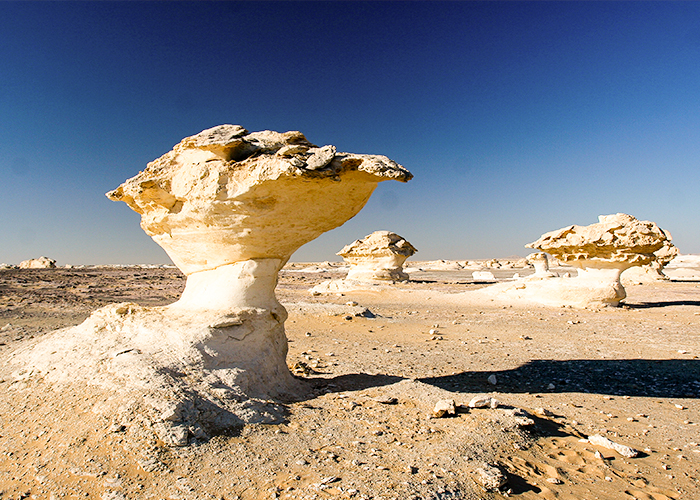
    One of the most fascinating features of the White Desert is its large chalk rock formations, which resemble intricate sculptures. The desert is dotted with formations that resemble mushrooms, cones, and columns, showcasing the artistic craftsmanship of nature. These striking formations, combined with the vast expanse of sand dunes and desert plains, create a picturesque setting that enchants visitors.

    Exploring the White Desert reveals more than just unique rock formations. Fossils and remnants of ancient marine life can be found scattered throughout the desert, bearing witness to its fascinating geological history. The discovery of these fossils provides a glimpse into a time when the White Desert was submerged under the sea.

    Flora and Fauna

    Despite its seemingly harsh environment, the White Desert is home to a surprising variety of plant and animal life. The desert ecosystem is adapted to the arid conditions, with plants showcasing remarkable survival strategies. Drought-resistant shrubs, thorny acacias, and hardy grasses are among the flora that thrives in this challenging environment.

    The desert’s wildlife is equally fascinating. Reptiles and amphibians, such as lizards and toads, have adapted to extreme temperatures and water scarcity. Mammals like the fennec and sand fox have developed unique adaptations to survive in the desert’s arid conditions. Avian species, including eagles, vultures, and desert warblers, soar through the vast skies, adding a touch of grace to the White Desert’s rugged beauty.

    Cultural and Historical Significance

    The White Desert holds immense cultural and historical significance in Egypt. The Bedouin culture, deeply intertwined with the desert, brings a sense of authenticity to the region. The nomadic Bedouin tribes have relied on the desert’s resources for centuries, showcasing their profound connection with the land and its natural elements.

    Rock art and archaeological sites are scattered throughout the White Desert, providing glimpses into the past. Ancient inscriptions, drawings, and carvings adorn the desert rocks, revealing the artistic expressions and daily lives of civilizations that once thrived in this region. These archaeological sites offer a window into Egypt’s rich historical tapestry.

    Moreover, the White Desert is prominent in Egyptian history and mythology. It is believed to be the setting for various ancient legends and tales. The desert’s surreal landscapes and ethereal beauty have inspired countless poets, artists, and storytellers, making it a place of wonder and enchantment.

    Tourism and Activities

    The White Desert’s unparalleled beauty and unique landscape have made it a sought-after destination for travelers seeking unforgettable experiences. Whether you’re an adventurer, a nature lover, or a cultural enthusiast, the White Desert offers a wide range of activities to cater to every interest.

    Popular Tourist Destinations and Attractions within the White Desert

    1. Crystal Mountain

      A sparkling wonder nestled in the desert, Crystal Mountain is a natural rock formation adorned with crystals, creating a mesmerizing spectacle of glimmering beauty.

    2. The Valley of Agabat

      This valley showcases an array of stunning rock formations, featuring intricate designs and shapes that seem like works of art carved by nature.

    3. The Black Desert

      Located on the eastern edge of the White Desert, the Black Desert boasts volcanic mountains and black-colored rocks, creating a stark contrast against the white landscape.

    4. The Mushroom Rock

      As one of the most iconic formations in the White Desert, it resembles a giant mushroom emerging from the desert floor, leaving visitors in awe of its whimsical charm.

    Desert Camping and Stargazing Opportunities

    Spending a night under the starry sky is a magical experience in the White Desert. Many tour operators offer desert camping options, where you can pitch your tent amidst the vastness of the desert. As the sun sets and darkness descends, the clear desert skies come alive with a stunning display of stars, providing an unparalleled stargazing experience.

    Adventure Sports and Recreational Activities

    The White Desert caters to thrill-seekers and adventure enthusiasts with a range of exciting activities:

    1.  Off-roading and Desert Safaris

      Explore the desert’s remote corners on thrilling off-road adventures. Hop on a 4×4 vehicle or join a guided safari tour to discover hidden gems and witness the mesmerizing landscapes up close.

    2. Sandboarding and Dune Bashing

      Experience the adrenaline rush as you slide down the golden dunes on a sandboard or embark on a thrilling dune-bashing adventure, navigating the undulating terrain in a powerful off-road vehicle.

    3. Hiking and Trekking Trails

      Lace-up your boots and embark on a hiking or trekking adventure through the White Desert. Follow designated trails or join guided tours to explore the rugged terrain, uncover hidden oases, and witness breathtaking vistas.

    Environmental Conservation and Challenges

    While the White Desert’s popularity has brought economic benefits through tourism, it also poses environmental challenges that require careful management and conservation efforts.

    Conservation Efforts to Protect the White Desert’s Unique Ecosystem: Several conservation initiatives have been implemented to preserve the delicate balance of the White Desert’s ecosystem. These efforts include:

    • Restricted access to sensitive areas to prevent damage to fragile rock formations and wildlife habitats.
    • Awareness campaigns to educate visitors about responsible tourism practices, such as proper waste disposal and minimizing ecological impact.
    • Collaboration with local communities and Bedouin tribes to involve them in conservation initiatives, leveraging their traditional knowledge and sustainable practices.

    Environmental Challenges and Threats

    The White Desert faces various challenges that require ongoing attention and mitigation efforts:

    • Human Impact and Tourism-Related Issues

    The increasing number of visitors can strain the ecosystem, leading to littering, habitat destruction, and disturbance to wildlife. Managing tourist activities and enforcing regulations is crucial in minimizing the negative impact.

    • Climate Change and Desertification

    Rising temperatures and changing climate patterns threaten the fragile desert ecosystem. Efforts to mitigate climate change and promote sustainable practices are essential for the long-term preservation of the White Desert.

    • Illegal Mining and Quarrying Activities

    The White Desert’s unique rock formations have led to illegal mining and quarrying activities. These practices damage the landscape and disrupt the delicate balance of the ecosystem. Enforcing strict regulations and penalties is crucial in combating such activities.

    The White Desert in Egypt is a testament to nature’s grandeur and offers an unforgettable experience for travelers seeking adventure, natural beauty, and cultural richness. From its stunning geological formations and diverse flora and fauna to its historical significance and thrilling activities, the White Desert has something to captivate every visitor. However, it is our responsibility to ensure its preservation for future generations. By promoting sustainable tourism practices, supporting conservation efforts, and raising awareness about its challenges, we can contribute to preserving the beauty and significance of the White Desert for years to come. Plan your journey to this awe-inspiring destination and immerse yourself in the wonder and serenity of the Egypt White Desert.

    Environmental Conservation and Challenges

    Preserving the unique ecosystem of the White Desert is crucial to ensure its beauty and significance for future generations. Conservation efforts have been initiated to protect this fragile environment. Authorities are working to educate visitors about responsible tourism practices and the importance of minimizing their impact on the delicate ecosystem.

    However, the White Desert faces several environmental challenges. Human impact and tourism-related issues, such as littering and illegal camping, threaten the delicate balance of the desert’s ecosystem. Climate change and desertification exacerbate the aridity, affecting the flora and fauna adapted to this specific environment. Additionally, illegal mining and quarrying activities jeopardize the integrity of the geological formations.

    The Egypt White Desert is a testament to nature’s awe-inspiring power and life’s resilience in seemingly inhospitable conditions. Its unique geological formations, vibrant flora and fauna, and rich cultural heritage make it a destination that captivates the senses and nourishes the soul. As visitors, we are responsible for preserving and promoting this natural wonder, ensuring that future generations can experience the breathtaking beauty and significance of the White Desert. Let us cherish this magnificent desert and protect its treasures for eternity.

    Related Articles You May be Interested in:

  • The Valley of the Queens: Exploring Ancient Egypt’s Royal Burial Ground

    The Valley of the Queens: Exploring Ancient Egypt’s Royal Burial Ground

    In the heart of ancient Egypt, a land steeped in history and marvels lies a sacred site shrouded in mystique and reverence—the Valley of the Queens. This breathtaking valley, nestled on the western bank of the Nile River near Luxor, is a beautiful testament to the splendor of the New Kingdom period. Let us embark on a journey through time as we delve into the historical background, beautiful tombs, preservation efforts, and the allure of the Valley of the Queens.

    The Historical Background of the Valley of the Queens

    The New Kingdom period in ancient Egypt

    To grasp the significance of the Valley of the Queens, we must understand the context of the New Kingdom period. It was a time of grandeur and power, marked by great pharaohs, monumental architecture, and remarkable cultural achievements. This era witnessed the rise of ancient Egypt as a formidable empire.

    Construction of the Valley of the Queens

    The Valley of the Queens occurred during the New Kingdom period, specifically during the 18th and 20th dynasties (approximately 1550-1070 BCE). It served as the final resting place for the queens, royal children, and other esteemed royal family members.

    Purpose and significance of the valley

    The Valley of the Queens was an esteemed necropolis, a sacred burial ground dedicated to the royal women of ancient Egypt. It was designed to provide a serene and protected resting place for the queens in the afterlife, ensuring their eternal journey alongside the pharaohs.

    Location and Geography

    The Valley of the Queens is situated on the west bank of the Nile River, opposite the modern city of Luxor. Encircled by rugged cliffs, the valley’s natural beauty creates an awe-inspiring backdrop for the ancient tombs that dot its landscape.

    Near the Valley of the Queens, one can find several remarkable landmarks. The most renowned is the Valley of the Kings, where pharaohs of the New Kingdom were laid to rest. The towering Hatshepsut’s Mortuary Temple and the Colossi of Memnon testify to ancient Egyptian architectural prowess.

    Tombs and Burials

    The Valley of the Queens boasts a collection of meticulously carved and decorated tombs, each an architectural marvel in its own right. These tombs offer a glimpse into the opulent and sacred world of the queens of ancient Egypt.

    Highlighting the notable queens and royal family members buried there

    Among the illustrious figures buried in the Valley of the Queens, Queen Nefertari and Queen Titi are shining examples of royal majesty. Their tombs testify to their esteemed kingdom positions and rich legacy.

    The tombs in the Valley of the Queens showcase intricate paintings, vibrant colors, and elaborate hieroglyphics, depicting scenes from the queens’ lives and their journey into the afterlife. These mesmerizing artworks provide invaluable insights into ancient Egyptian customs, beliefs, and daily life.

    Famous Tombs

    1. Queen Nefertari’s Tomb

    Queen Nefertari, the beloved wife of Pharaoh Ramses II, held an esteemed position in ancient Egyptian society. Her influence extended beyond her role as a queen, as she was known for her beauty, intelligence, and diplomatic prowess. Queen Nefertari’s tomb, QV66, is considered one of the most stunning and well-preserved tombs in the Valley of the Queens. Adorned with exquisite wall paintings and intricate reliefs, it portrays the queen’s divine transformation and journey to the afterlife.

    2. Queen Titi’s Tomb

    Queen Titi, the wife of Pharaoh Seti I, held an important place in the New Kingdom’s royal family. Her influence and contributions to ancient Egypt are eternally enshrined in her magnificent tomb. Queen Titi’s tomb, designated as QV52, captivates visitors with its detailed reliefs and vibrant colors. Its artwork depicts scenes of the queen’s daily life, religious rituals, and her association with various deities, offering a mesmerizing glimpse into ancient Egyptian beliefs.

    3. Other Notable Tombs in the Valley

    The Valley of the Queens encompasses numerous other remarkable tombs, such as those belonging to Queen Tyti, Queen Ahmose, and Queen Meritamen. Though perhaps lesser known, these tombs still exhibit extraordinary craftsmanship and provide valuable insights into the lives of these ancient queens.

    These tombs, with their intricate artwork and cultural significance, offer a glimpse into the esteemed status and religious beliefs of the queens of ancient Egypt. Each tomb within the Valley of the Queens contributes to the rich tapestry of history, allowing visitors to connect with the royal figures who shaped the destiny of this extraordinary civilization. Exploring these famous tombs is an awe-inspiring experience, immersing visitors in the opulence and spirituality of ancient Egypt’s queens.

    Preservation and Exploration

    Preserving the Valley of the Queens is an ongoing endeavor. Archaeologists, conservationists, and researchers work diligently to protect the delicate artworks, combat natural deterioration, and ensure the site’s longevity for future generations.

    Archaeologists have made exciting discoveries in the Valley of the Queens recently. These findings, including new tombs, ancient artifacts, and historical insights, contribute to our understanding of ancient Egypt and add depth to the valley’s allure.

    Tourism and Accessibility

    The Valley of the Queens welcomes visitors worldwide to explore its wonders. Guided tours provide an immersive experience, highlighting this sacred site’s historical significance and cultural importance.

    Efforts have been made to ensure that the Valley of the Queens is accessible to all visitors. Accessibility features, such as ramps and guided tours for individuals with disabilities, are available, allowing everyone to appreciate the beauty and history of this ancient necropolis.

    As we conclude our journey through the Valley of the Queens, we are left awestruck by the grandeur and splendor of ancient Egypt’s royal burial ground. With its meticulously crafted tombs and vibrant artwork, this sacred valley offers a unique glimpse into the lives of the queens who played a vital role in the New Kingdom period. Through preservation efforts and ongoing exploration, the Valley of the Queens continues to captivate the hearts and minds of travelers, ensuring that its significance and historical importance endure for generations to come. Let us cherish this treasure of ancient Egypt, celebrating the remarkable legacy of its queens and the eternal allure of the Valley of the Queens.

    Related Articles You Might Find Interesting:

  • The Valley of the Nobles: Exploring Ancient Egyptian Tombs and Heritage

    The Valley of the Nobles: Exploring Ancient Egyptian Tombs and Heritage

    The Valley of the Nobles is an archaeological site of great historical significance in ancient Egypt’s heart. This stunning valley holds a treasure trove of tombs that provide us with valuable insights into the lives of the nobility during this ancient civilization. This comprehensive guide will delve into the Valley of the Nobles’ definition, importance, and geographical features.

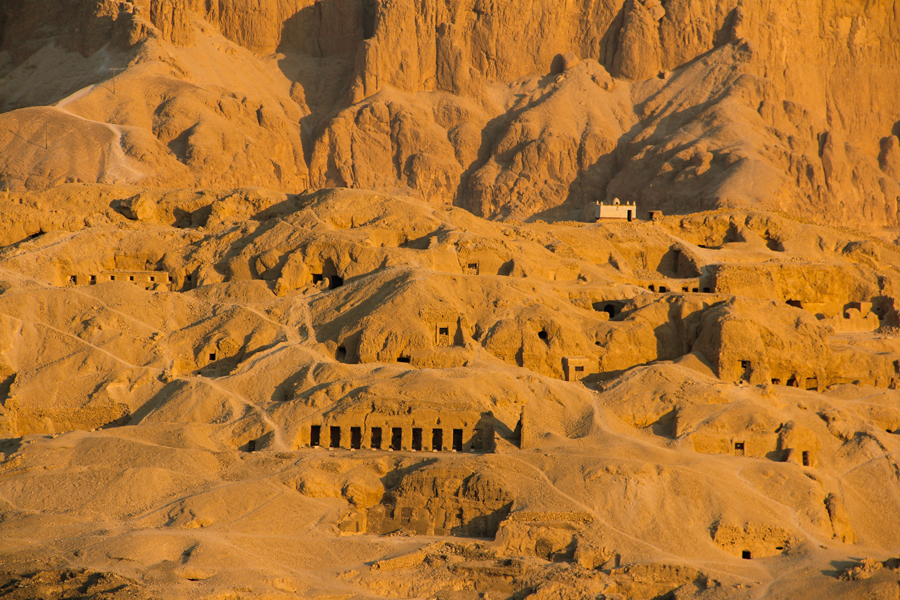
    The Valley of the Nobles, also known as the Tombs of the Nobles of Thebes or Wadi el-Assasif, is an expansive burial ground on the west bank of the Nile River near modern-day Luxor. It served as the final resting place for the noble class of ancient Egypt, including high-ranking officials, priests, and other elite members.

    Importance and Historical Significance of the Valley of the Nobles

    The Valley of the Nobles holds immense historical significance as it offers a glimpse into the lives and beliefs of the ancient Egyptian nobility. The tombs found here provide information about this ancient civilization’s social hierarchy, religious practices, and funerary rituals. Through exploring these tombs, historians and archaeologists have been able to piece together the rich tapestry of ancient Egyptian society.

    Location and Geographical Features

    Situated on the western bank of the Nile River, the Valley of the Nobles lies opposite the modern city of Luxor. This strategic location provided easy access to the necropolis, allowing the nobles and their families to make the journey to the afterlife smoothly. The valley is nestled within a rugged and picturesque landscape, surrounded by towering cliffs that give it a sense of isolation and tranquility.

    Historical Background

    Ancient Egyptian Civilization and the Nobility

    To truly appreciate the significance of the Valley of the Nobles, we must understand the role of the nobility in ancient Egyptian society. The nobles were a privileged class with power and influence in the kingdom. They served as advisors to the pharaoh, held administrative roles, and often belonged to the priesthood.

    Development and Purpose of the Valley of the Nobles

    The Tombs of the Nobles existed during the New Kingdom period (16th century BCE – 11th century BCE), when pharaohs sought to create a burial ground specifically for the nobility. This sacred valley provided an exclusive space for the nobles to rest, separate from the commoners buried in other areas. The construction and decoration of tombs in this valley were elaborate and reflected the social status and wealth of the individuals interred within.

    Comparison to Other Burial Sites in Ancient Egypt

    While the Valley of the Nobles catered to the burial needs of the elite, it is distinct from other famous burial sites in ancient Egypt, such as the Valley of the Kings and the Valley of the Queens. The Valley of the Kings primarily served as the burial ground for pharaohs, while the Valley of the Queens was dedicated to the queens and royal family members. In contrast, the Valley of the Nobles exclusively catered to the nobility, offering them a final resting place befitting their status.

    Tombs and Architecture

    Design of the Tombs

    The tombs in the Valley of the Nobles exhibit a variety of architectural styles and layouts. These tombs were carefully constructed to serve as eternal homes for the noble deceased. Many of the tombs follow a similar plan, featuring an entrance corridor that leads to a central hall and multiple chambers. The design often incorporated elements such as offering chapels, burial shafts, and decorated walls adorned with inscriptions and intricate artwork.

    Decorative Elements and Artwork

    The tombs in the Valley of the Nobles are adorned with stunning decorative elements and artwork. Intricate wall paintings depict scenes from the nobles’ lives, including their interactions with the gods, daily activities, and journey to the afterlife. These vibrant and detailed murals provide valuable insights into ancient Egyptian culture, fashion, and religious beliefs.

    Symbolism and Religious Beliefs Depicted in the Tombs

    Religious symbolism was crucial in decorating the tombs in the Tombs of the Nobles. The artwork often depicted gods and goddesses, emphasizing the nobles’ devotion and their desire for divine protection in the afterlife. Symbols such as the solar disc, hieroglyphic inscriptions, and scenes of the soul’s judgment (known as the “Weighing of the Heart”) were commonly portrayed, reflecting the nobles’ belief in the importance of righteousness and moral conduct.

    Social Hierarchy and Burial Practices

    Nobility and Their Role in Ancient Egyptian Society

    The nobility held positions of power and privilege in ancient Egyptian society. They enjoyed significant wealth, owned vast lands, and occupied influential roles in the government and religious institutions. The nobles served as advisors to the pharaoh, oversaw administrative matters, and played vital roles in religious ceremonies and rituals.

    Differentiation of Tombs Based on Social Status

    In the Valley of the Nobles, the tombs were not created equal. The tombs’ size, complexity, and location varied based on the social status and wealth of the individuals buried within. High-ranking officials and royal family members often had more elaborate and spacious tombs, showcasing their prestige and influence.

    Funerary Rituals and Burial Practices

    The funerary rituals and burial practices observed in the Tombs of the Nobles reflected the ancient Egyptian belief in the afterlife. Elaborate rituals were conducted to ensure the noble deceased’s successful transition into the gods’ realm. Offerings, prayers, and rituals were performed to provide sustenance and protection for the soul in the afterlife.

    Notable Tombs and Figures

    Description of Prominent Tombs in the Tombs of the Nobles

    The Valley of the Nobles has numerous significant tombs, each with unique features and historical importance. One notable tomb is that of Ramose, a high-ranking official during the reign of Amenhotep III. The tomb of Sennefer, the mayor of Thebes, is another excellent site, famous for its vibrant frescoes depicting scenes of daily life and abundant harvests.

    Profiles of Influential Individuals Buried in the Valley

    Among the influential figures buried in the Tombs of the Nobles, a few stand out for their notable contributions to ancient Egyptian society. Menna, a scribe and overseer of fields under the pharaoh, left behind a well-preserved tomb filled with vivid scenes of agricultural activities. Nebamun, a high-ranking official, is renowned for his tomb’s extraordinary paintings that depict music, hunting, and banquet scenes.

    Historical and Cultural Significance of These Tombs

    The tombs in the Valley of the Nobles hold immense historical and cultural significance. They offer valuable insights into the lives, beliefs, and achievements of the nobility in ancient Egypt. The detailed artwork and inscriptions provide evidence of this remarkable civilization’s rich cultural heritage, religious practices, and artistic prowess.

    Exploration and Excavation

    Early Discoveries and Exploration of the Valley

    The Valley of the Nobles has been explored and excavated for centuries. The earliest European travelers and scholars who visited Egypt in the 19th century documented their encounters with the tombs in the valley. However, it wasn’t until the 20th century that more systematic excavations occurred, uncovering hidden treasures and shedding light on the secrets of the nobility.

    Archaeological Techniques and Findings

    Archaeologists employ various techniques to study and document the tombs in the Valley of the Nobles. They piece together the puzzle of ancient Egyptian life through meticulous excavation, documentation, and analysis of artifacts. The discovery of well-preserved coffins, funerary objects, and inscriptions has significantly contributed to our understanding of the nobility’s burial practices and beliefs.

    Impact of Excavation on Our Understanding of Ancient Egypt

    The ongoing excavation and research in the Valley of the Nobles have greatly enhanced our knowledge of ancient Egypt. These endeavors have deepened our understanding of this ancient civilization’s social structure, religious practices, and artistic achievements. The tombs and artifacts unearthed continue to provide valuable insights into the daily lives and aspirations of the nobility.

    Preservation and Tourism

    Efforts to Preserve the Valley of the Nobles

    Preserving the Tombs of the Nobles is paramount to safeguarding its historical legacy for future generations. Conservation teams work diligently to protect the tombs from natural elements, such as erosion and humidity, as well as human-induced threats like tourism impact.

    Challenges and Conservation Strategies

    Preserving an ancient site like the Valley of the Nobles has several challenges. The delicate artwork and structures require careful maintenance and protection. Conservation strategies involve a combination of monitoring, restoration, and controlled visitor access to strike a balance between preserving the site and allowing public engagement.

    Tourism and Visitor Experience in the Valley

    The Valley of the Nobles attracts visitors from around the world who are captivated by the allure of ancient Egypt. Tourists can explore the tombs and immerse themselves in this remarkable civilization’s rich history and culture. Guided tours, informative signage, and visitor centers enhance the experience, providing educational insights and contextual information.

    The Valley of the Nobles is a testament to the grandeur and sophistication of ancient Egyptian civilization. Through exploring tombs, we uncover the nobility’s stories, beliefs, and aspirations for the afterlife. As ongoing research and preservation efforts continue, the Tombs of the Nobles remains an invaluable resource for unraveling the mysteries of this extraordinary civilization, leaving an indelible mark on our understanding of ancient Egypt’s historical and cultural legacy.

    Related Articles You Might Find Interesting:

  • The Valley of the Kings: Unveiling Ancient Wonders

    The Valley of the Kings: Unveiling Ancient Wonders

    The Valley of the Kings, located in Egypt, is an awe-inspiring testament to the grandeur and mystique of ancient Egyptian civilization. Nestled on the west bank of the Nile River, this historic site has captivated the imaginations of scholars, archaeologists, and tourists alike. With its rich historical context and remarkable architectural features, the Valley of the Kings is a timeless treasure that reveals past secrets.

    Overview of The Valley of the Kings

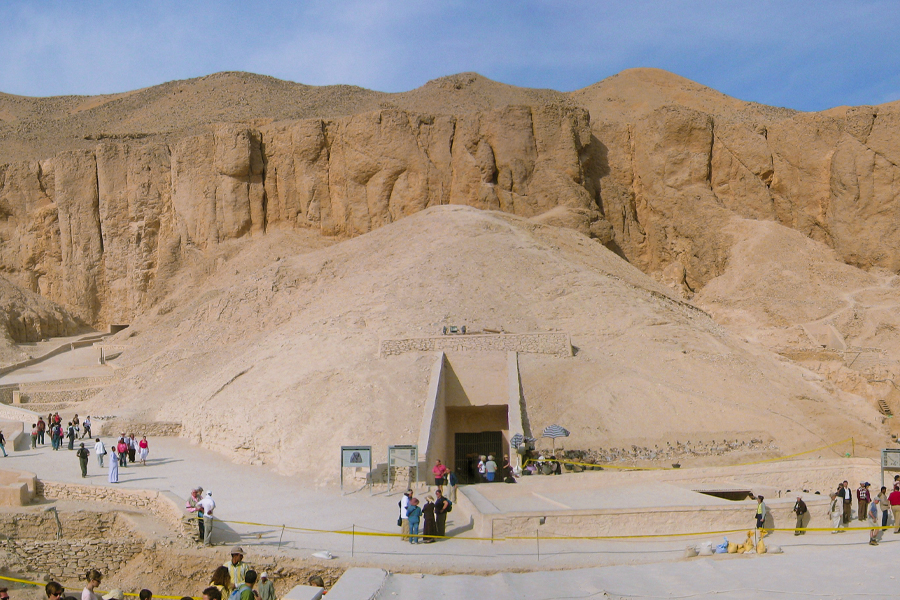
    The Valley of the Kings, known as “Biban el-Moluk” in Arabic, is an ancient burial site situated on the western bank of the Nile River in Egypt. It was the final resting place for numerous pharaohs and high-ranking officials during the New Kingdom period of ancient Egypt, approximately from the 16th to the 11th century BCE. With its vast collection of exquisitely crafted tombs and elaborate hieroglyphic inscriptions, the valley holds immense historical and cultural significance.

    The Valley of the Kings holds a pivotal place in Egyptian history. During the New Kingdom, pharaohs sought to create grand burial complexes to ensure their journey to the afterlife and preserve their legacy for eternity. Before the establishment of the valley, pharaohs were buried in pyramids, which attracted grave robbers. Seeking a more secure alternative, the valley’s secluded location and hidden tombs offered unparalleled protection, safeguarding the treasures and mortal remains of the pharaohs.

    Location and Geography

    Location in Egypt

    Situated on the western bank of the Nile River, the Valley of the Kings is located near the ancient city of Thebes, known today as Luxor. It lies opposite the modern city of Luxor and Karnak Temple, emphasizing its prominent position in ancient Egyptian society.

    Geographical features of the valley

    The valley is surrounded by barren cliffs and rocky hills, creating a natural barrier that further safeguards the tombs from intrusion. Its rugged terrain adds to the allure and enigma of the site. Despite the arid desert environment, the valley benefits from the fertile soil of the Nile River, which sustains vegetation in the nearby areas.

    Relationship to the Nile River

    The Nile River was crucial in ancient Egyptian civilization, providing sustenance and a lifeline for the communities along its banks. The Valley of the Kings benefited from its proximity to the Nile, as the river facilitated the transportation of building materials, supplies, and mourners during the funerary processions. Additionally, the Nile’s presence symbolized the eternal cycle of life and death, reinforcing the spiritual significance of the valley.

    Historical Background

    Purpose and Significance of the Valley

    The Valley of the Kings was created to serve as the burial ground for pharaohs and other esteemed individuals of the New Kingdom. It represented a shift from the earlier pyramid structures, as pharaohs sought to conceal their tombs to deter theft. The valley’s importance lies not only in its function as a royal necropolis but also in its depiction of ancient Egypt’s religious beliefs, artistry, and architectural achievements.

    Development and use During the New Kingdom Period

    The valley’s prominence emerged during the 18th dynasty of the New Kingdom period, beginning with the reign of Thutmose I. Over the centuries, successive pharaohs expanded the valley, carving intricate tombs into the limestone cliffs. The New Kingdom pharaohs who ruled from Thebes, including Tutankhamun and Ramesses II, embraced the Valley of the Kings as the preferred burial site.

    Pharaohs and Prominent Figures are Buried in the Valley of the Kings

    The Valley of the Kings houses the final resting places of some of Egypt’s most famous pharaohs. Among them is Tutankhamun, whose tomb was discovered virtually intact in 1922 by Howard Carter, and Seti I, whose grand tomb boasts stunning reliefs and intricate passages. Other notable pharaohs laid to rest in the valley include Ramesses II, Amenhotep III, and Thutmose III, each leaving an indelible mark on Egypt’s history.

    Architectural Features

    Tomb structures and designs

    The tombs in the Valley of the Kings exhibit remarkable architectural designs. Carved into the natural rock formations, the tombs consist of long, sloping corridors leading to burial chambers. The architects meticulously planned the passageways, often incorporating intricate twists and turns to deter potential thieves. Deep within the tombs lie sarcophagi and funerary furniture, all carefully arranged to aid the pharaoh’s journey to the afterlife.

    Decoration and artwork within the tombs

    The interior walls of the tombs are adorned with elaborate paintings and hieroglyphic inscriptions depicting scenes from ancient Egyptian mythology, religious rituals, and the pharaoh’s journey to the afterlife. The vibrant colors and intricate details have survived the test of time, offering a glimpse into the artistic brilliance of the period. These captivating murals shed light on the religious beliefs, daily life, and aspirations of the pharaohs and their subjects.

    Examples of notable tombs in the valley

    The Valley of the Kings boasts several remarkable tombs, each offering unique insights into ancient Egyptian culture. One of the most famous tombs is that of Tutankhamun (KV62), renowned for its stunning treasures and intact burial chamber. The tomb of Ramesses VI (KV9) showcases beautifully preserved paintings, while the tomb of Seti I (KV17) is celebrated for its intricate wall reliefs. These tombs, among others, continue to astound visitors with their architectural splendor and historical significance.

    Tomb Discoveries and Excavations

    Early exploration and discovery

    The Valley of the Kings first attracted the attention of explorers and archaeologists in the early 18th century. European travelers, including Giovanni Belzoni and James Burton, began to explore and document the tombs in the early 19th century. However, it was Howard Carter’s groundbreaking discovery of the tomb of Tutankhamun in 1922 that truly catapulted the valley into the international spotlight. Tutankhamun’s tomb’s remarkable preservation and wealth of treasures sparked renewed interest in the Valley of the Kings and its hidden wonders.

    Major expeditions and key discoveries

    Following Carter’s discovery, numerous expeditions focused on uncovering the valley’s secrets. Notable expeditions include those led by Theodore Davis, who uncovered the tombs of Thutmose IV and Amenhotep II, and Otto Schaden, who excavated the tomb of Horemheb. These expeditions yielded valuable insights into the lives of the pharaohs and the burial practices of ancient Egypt. Additionally, excavations and research continue to shed light on previously undiscovered tombs and provide a new understanding of the valley’s historical significance.

    Impact of tomb robberies and restoration efforts

    Unfortunately, throughout history, the Valley of the Kings fell victim to tomb robbers. As early as ancient times, the tombs were targeted for their treasures, leading to the desecration and losing many artifacts. The most notorious case of tomb robbery was that of Tutankhamun’s tomb, which was likely plundered shortly after its burial. However, the illicit activity also drew attention to the need for conservation and restoration efforts. Dedicated individuals and organizations have since worked tirelessly to restore damaged tombs, recover stolen artifacts, and implement measures to protect the valley’s archaeological treasures.

    Conservation and Preservation

    Challenges faced in preserving the valley

    Preserving the Valley of the Kings presents several challenges due to its natural and environmental factors. The arid desert climate, occasional flash floods, and many visitors pose significant threats to the fragile tombs. Exposure to moisture, fluctuating temperatures, and air pollution can accelerate the deterioration of intricate wall paintings and delicate structures. Additionally, the constant flow of tourists requires careful management to prevent overcrowding and physical damage to the tombs.

    Measures were taken for conservation and Restoration

    In response to the preservation challenges, authorities and organizations have implemented various measures to safeguard the Valley of the Kings. Conservation teams regularly monitor and assess the conditions within the tombs, employing state-of-the-art technology to identify and mitigate potential risks. Climate control systems, lighting restrictions, and visitor regulations have been implemented to protect the fragile environment. Conservation and restoration efforts focus on stabilizing the tombs, consolidating deteriorated surfaces, and employing non-invasive methods to preserve the original artwork.

    Role of Technology in Documentation and preservation efforts

    Technology plays a vital role in documenting and preserving the Valley of the Kings. High-resolution imaging, 3D scanning, and laser mapping techniques allow for detailed documentation of the tombs, enabling researchers to study the sites without physical intervention. Digital archives and databases aid in the cataloging and analysis of the artifacts and inscriptions. Virtual and augmented reality applications also provide immersive experiences for visitors while minimizing the physical impact on the tombs. The integration of technology in preservation efforts ensures that future generations can explore and learn from the valley’s treasures.

    Visitors and Tourism

    Accessibility and visitor facilities

    The Valley of the Kings has become a popular destination for tourists worldwide. Accessible from Luxor, the valley offers visitor facilities, including visitor centers, parking areas, and guided tours. Informative signage and audio guides provide valuable insights into the historical and cultural significance of the tombs. Visitor numbers are regulated to protect the delicate environment, and specific tombs may have restricted access to prevent overcrowding and damage.

    Popular tombs for tourists

    While all the tombs in the Valley of the Kings hold unique allure, some have become particularly popular among tourists. The tomb of Tutankhamun (KV62) continues to attract large crowds eager to witness the treasures discovered within. The tomb of Ramesses VI (KV9) and the tomb of Seti I (KV17) are also frequently visited for their impressive architectural features and well-preserved artwork. Tourists can explore these tombs and marvel at the ancient craftsmanship and history they encapsulate.

    Impact of Tourism on the Valley

    Tourism has both positive and negative impacts on the Valley of the Kings. On the positive side, tourism generates revenue that contributes to the preservation and conservation efforts in the valley. It also raises awareness of the site’s historical significance and fosters cultural exchange. However, the high volume of visitors can strain the delicate environment, causing wear and tear on the tombs. Proper management, regulation, and educational initiatives are essential to balance tourism and preserving this ancient heritage site.

    Current Research and Future Prospects

    Ongoing research projects in the valley

    Research in the Valley of the Kings is an ongoing endeavor, with various archaeological missions and research projects continuously working to unravel the mysteries of this wonderful site. Scholars and scientists employ advanced techniques and interdisciplinary approaches to gain deeper insights into the lives of the pharaohs and their burial practices. From analyzing DNA samples to conducting remote sensing surveys, these research endeavors contribute to understanding ancient Egypt’s history and culture.

    Exploration of undiscovered tombs

    The Valley of the Kings still holds untold secrets, as many undiscovered tombs. With modern technology and ongoing research, there is hope that discoveries will continue to be made. Ground-penetrating radar, satellite imagery, and non-invasive exploration techniques offer possibilities for locating hidden burial chambers and expanding our knowledge of the valley’s occupants.

    plans for preservation and study

    Preserving and studying the Valley of the Kings will remain a priority. Plans include enhanced conservation strategies, continued research collaborations, and the development of sustainable tourism practices. Through the integration of cutting-edge technology and ongoing scholarly efforts, the valley’s heritage will be protected and shared with generations to come.

    The Valley of the Kings’ Historical and Cultural Significance

    The Valley of the Kings stands as a testament to ancient Egypt’s rich history and cultural legacy. Its significance lies in its role as the burial site of pharaohs and prominent figures and in the architectural marvels and intricate artwork within the tombs. The valley provides valuable insights into ancient Egyptian beliefs, traditions, and the complexities of their civilization.

    The enduring legacy of the Valley of the Kings lies in its ability to captivate and inspire. As a UNESCO World Heritage Site, it enthralls visitors and researchers alike. The ongoing efforts to preserve and study the valley ensure that its treasures will be cherished and celebrated for generations, allowing us to unlock the secrets of the past and appreciate the remarkable achievements of ancient Egypt.

    Related Articles You Might Find Interesting:

Order via WhatsApp