Author: GEM Tours

  • Siwa Oasis: Discover Egypt’s Hidden Gem and Natural Wonders

    Siwa Oasis: Discover Egypt’s Hidden Gem and Natural Wonders

    Siwa Oasis is a hidden gem nestled amidst the vast desert landscapes of Egypt. This breathtaking oasis has captivated the hearts of travelers for centuries, offering a harmonious blend of historical significance, natural beauty, and rich cultural heritage. Located in the heart of the Western Desert, Siwa Oasis stands as an oasis of tranquility and a gateway to an ancient world. Let’s delve into the wonders of Siwa Oasis, exploring its historical background, geographical features, cultural heritage, tourism attractions, local economy, preservation efforts, and more.

    Siwa Oasis Situated approximately 50 kilometers east of the Libyan border, Siwa Oasis is a picturesque haven that spans over 80 kilometers in length. Surrounded by towering sand dunes and barren landscapes, this isolated oasis has been a refuge and a center of civilization for thousands of years. Siwa Oasis is renowned for its unique customs, enchanting architecture, and natural wonders that attract curious explorers from around the globe.

    Located in the western part of Egypt, Siwa Oasis lies approximately 560 kilometers west of Cairo. Its strategic position on an old trade route between Egypt and Libya has historically made it a vital crossroads for civilizations. Siwa Oasis is not only geographically significant but also holds immense cultural and historical importance, being home to ancient settlements and serving as a hub for various civilizations throughout history.

    Historical Background

    Ancient civilization and settlement in Siwa Oasis

    Siwa Oasis boasts a rich and storied past dating back to prehistoric times. It was once home to the Berber-speaking Siwan people, who have inhabited the region for thousands of years. The oasis became a prosperous settlement and a trade center during the ancient Egyptian civilization.

    Influence of various civilizations (Egyptians, Greeks, Romans)

    Throughout its history, Siwa Oasis experienced the influence of various civilizations. The ancient Egyptians revered Siwa as a sacred site and believed it to be the birthplace of the god Amun. The Greeks, led by Alexander the Great, were enchanted by the oasis and its Oracle of Amun. Later, the Romans exerted their authority and contributed to the region’s development.

    Historical events and notable figures

    Siwa Oasis has witnessed several significant events and hosted prominent figures. One of the most notable events was the famous meeting between Alexander the Great and the Oracle, where he was declared the divine ruler of Egypt. The oasis has also been associated with Cleopatra, the last queen of Egypt, who sought refuge and found solace in Siwa during her challenging times.

    Geographical Features

    Location and surrounding landscape

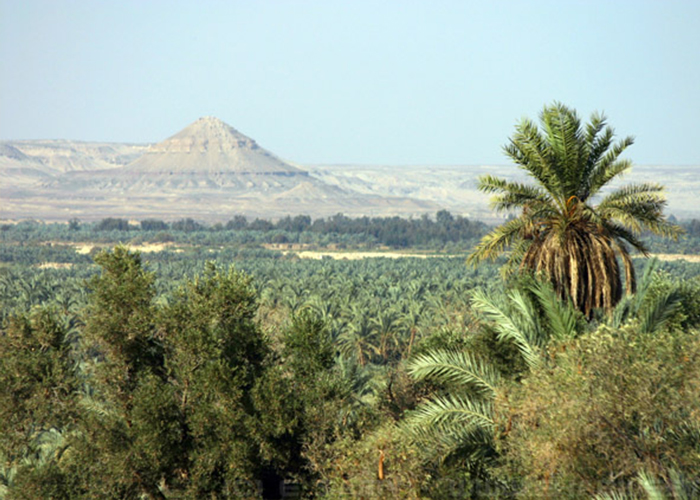
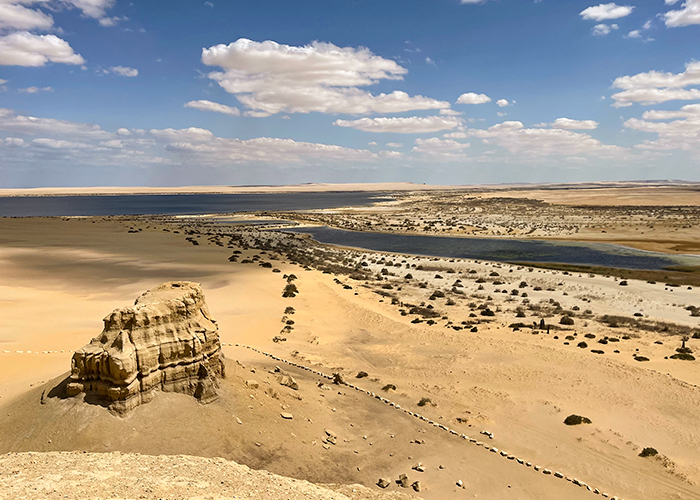
    Siwa Oasis is located in the western desert of Egypt, surrounded by breathtaking landscapes. To the west lies the vast expanse of the Great Sand Sea, an endless sea of golden dunes that creates a mesmerizing sight. The oasis is nestled amidst a cluster of palm groves, creating a contrasting oasis against the desert backdrop.

    Oasis ecosystem and natural resources

    The oasis has a unique ecosystem sustained by natural springs flowing from deep within the Earth. These freshwater springs provide sustenance to the abundant date palms and support a variety of flora and fauna, creating a vibrant oasis ecosystem. The region is also known for its fertile soil, which allows for agriculture and date farming.

    Main features: salt lakes, springs, and palm groves

    Siwa Oasis is dotted with several enchanting features. One of the prominent attractions is the picturesque salt lakes, such as Bir Wahed, where visitors can enjoy a soothing swim while surrounded by stunning salt formations. The oasis is also famous for its refreshing freshwater springs, including Cleopatra’s Spring. Moreover, the lush palm groves lend the entire oasis a serene and picturesque charm.

    Cultural Heritage

    Unique customs and traditions of the Siwan people

    The Siwan people have preserved their distinct customs and traditions passed down through generations. Their unique way of life revolves around agriculture, handicrafts, and hospitality. Visitors can immerse themselves in the local culture by participating in traditional festivals, witnessing Siwan weddings, or trying local delicacies.

    Cultural influences from neighboring regions

    Siwa Oasis has historically been a meeting point for diverse cultures, resulting in a rich cultural tapestry. The Siwan culture bears influences from neighboring Berber tribes and Egyptian, Greek, and Roman civilizations. This amalgamation of influences is evident in the local architecture, language, clothing, and cuisine.

    Architecture and historical landmarks

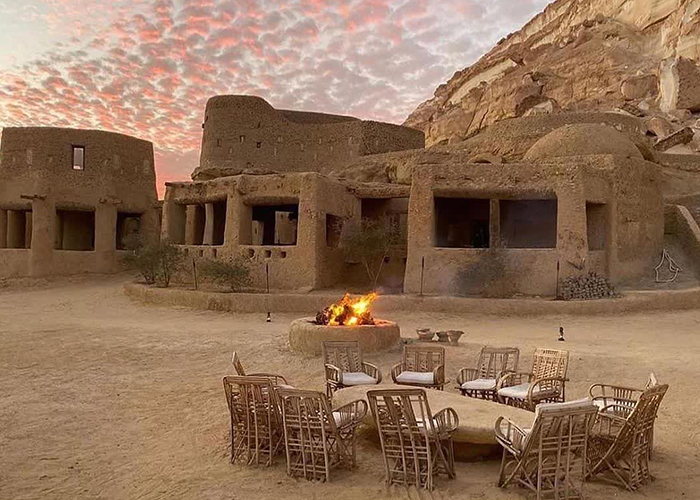
    Siwa Oasis boasts a wealth of architectural treasures and historical landmarks that showcase its rich heritage. The most iconic landmark is the Shali Fortress, an ancient citadel built from salt and mud bricks, which offers a glimpse into the oasis’s past. Other notable structures include the Temple of the Oracle, an ancient temple dedicated to the god Amun, and Aghurmi, a traditional Siwan village renowned for its distinctive architecture.

    Tourism and Attractions

    Tourist activities and experiences in Siwa Oasis

    Visitors to Siwa Oasis can embark on a range of unique experiences. Exploring the lush palm groves on a traditional donkey cart, savoring delicious Siwan cuisine, and witnessing traditional dances and music performances are just a few examples of the immersive cultural encounters available. Adventurous travelers can also indulge in thrilling activities such as desert safaris, sandboarding, and stargazing in the clear desert skies.

    Famous attractions: Shali Fortress, Temple of the Oracle, Cleopatra’s Pool

    Siwa Oasis boasts several renowned attractions that capture the essence of its history and beauty. The Shali Fortress stands as a testament to the architectural prowess of the past. The Temple of the Oracle, a sacred site from ancient times, offers a glimpse into Siwa’s spiritual significance. Cleopatra’s Pool, a tranquil spring where Cleopatra is believed to have bathed, continues to captivate visitors with its natural beauty.

    Natural wonders: Great Sand Sea, Fatnas Island, Bir Wahed hot spring

    Nature enthusiasts will find Siwa Oasis a paradise filled with natural wonders. The Great Sand Sea presents a surreal landscape of endless sand dunes, perfect for exhilarating desert adventures. Fatnas Island, located in the middle of a salt lake, provides a unique setting for relaxation and exploration. The Bir Wahed hot spring, with its therapeutic waters and captivating salt formations, is a must-visit destination for rejuvenation.

    Local Economy

    Traditional occupations and industries

    The local economy of Siwa Oasis revolves around traditional occupations and industries. Date farming remains a significant source of income, with Siwan dates being highly prized for their exceptional quality. Handicrafts such as pottery, weaving, and embroidery contribute to the local economy.

    Agriculture and date farming

    Siwa Oasis is renowned for its fertile soil, which sustains thriving agricultural practices. The oasis’s date palms, with their sweet and succulent fruits, are the pride of Siwa. Date farming plays a crucial role in the local economy, and visitors can witness the various stages of date cultivation, from planting to harvesting.

    The growing tourism industry has positively impacted the local economy of Siwa Oasis. The influx of visitors has created employment opportunities, particularly in hospitality, tour guiding, and souvenir industries. The revenue generated from tourism contributes to the development of infrastructure, preservation of cultural heritage, and improved livelihoods for the local community.

    Challenges and Preservation Efforts

    Environmental concerns and sustainability

    As Siwa Oasis continues to attract more visitors, it is essential to balance tourism with environmental sustainability. Efforts are being made to minimize the impact on the delicate oasis ecosystem, including responsible waste management, sustainable tourism practices, and conservation of natural resources.

    Balancing modern development with heritage preservation

    Preserving Siwa Oasis’s unique heritage while accommodating modern development is a delicate balancing act. Authorities and stakeholders strive to strike a harmonious balance by implementing regulations that protect historical landmarks, promote sustainable architecture, and support traditional industries.

    Conservation initiatives and protection of cultural sites

    Several initiatives are underway to conserve Siwa Oasis’s cultural and natural heritage. Preservation organizations collaborate with local communities to safeguard historical sites, promote traditional craftsmanship, and raise awareness about the importance of cultural preservation. Additionally, sustainable tourism practices emphasize respecting and preserving the oasis’s fragile ecosystem.

    Siwa Oasis stands as a testament to the enduring allure of ancient civilizations, offering visitors a rare opportunity to immerse themselves in its historical and natural wonders. From its archaeological treasures to its breathtaking landscapes, Siwa Oasis holds a unique place in the hearts of travelers seeking an authentic and enriching experience.

    With its untapped potential and growing recognition, Siwa Oasis has a good tourism and sustainable development future. As more travelers discover the oasis’s beauty and cultural richness, Siwa has the opportunity to become a globally recognized destination.

    Preserving Siwa Oasis’s heritage is paramount to ensure its authenticity and cultural legacy. By embracing sustainable practices, supporting local communities, and raising awareness about the oasis’s significance, we can contribute to its long-term preservation and safeguard its unique heritage for future generations.

    In conclusion, Siwa Oasis beckons adventurers, history enthusiasts, and nature lovers alike to embark on a journey through time and immerse themselves in the enchanting beauty of this ancient oasis. With its historical significance, breathtaking landscapes, and vibrant cultural heritage, Siwa Oasis offers an experience like no other—an oasis of wonder waiting to be explored.
    Related Articles You May be Interested in:

  • Farafra Oasis : Discover Egypt’s Enchanting White Desert Haven

    Farafra Oasis : Discover Egypt’s Enchanting White Desert Haven

    Farafra Oasis is a mesmerizing destination located in the western desert of Egypt. With its rich history, unique features, and stunning natural attractions, Farafra Oasis offers an unforgettable experience for travelers seeking adventure and cultural exploration. In this comprehensive guide, we will delve into the various aspects of Farafra Oasis, from its definition and historical significance to its geographical characteristics and tourism opportunities.

    Introduction to Farafra Oasis

    Definition and Location

    Farafra Oasis is one of Egypt’s five major oases in the New Valley Governorate. It is located approximately 330 kilometers southwest of Cairo, making it easily accessible for visitors looking to venture beyond the bustling city. The oasis spans an area of about 2,000 square kilometers, nestled amidst the vast expanse of the Egyptian Western Desert.

    Historical Significance

    Dating back thousands of years, Farafra Oasis has played a significant role in the region’s history. It was a vital rest stop along the ancient trade routes that connected Africa, the Middle East, and Europe. The oasis was a hub for caravans and travelers, facilitating cultural exchanges and fostering economic growth. Today, remnants of this rich history can still be witnessed through the archaeological sites and cultural heritage preserved within the oasis.

    Unique Features and Attractions

    Farafra Oasis is renowned for its breathtaking landscapes and unique geological formations. The White Desert is most notable, characterized by its surreal white chalk rocks and mesmerizing rock formations. These formations, shaped by wind and erosion over centuries, create an otherworldly atmosphere that attracts visitors worldwide. Another captivating landmark is the Mushroom-shaped rock formations, which resemble giant mushrooms rising from the desert floor. Also, Crystal Mountain is a shimmering jewel, with quartz crystals adorning its slopes.

    Geographical and Environmental Characteristics

    Location within Egypt

    Farafra Oasis is in the western part of Egypt, within the New Valley Governorate. Other prominent oases surround it, including Bahariya to the northeast, Dakhla to the southwest, and Kharga to the south.

    Size and Boundaries

    With an expansive area of approximately 2,000 square kilometers, Farafra Oasis is a vast expanse of natural beauty. It is enclosed by desert landscapes and bordered by sand dunes, providing visitors with a sense of isolation and tranquility.

    Climate and Weather Patterns

    Farafra Oasis experiences an arid desert climate, with hot summers and mild winters. Summers can be scorching, with temperatures often exceeding 40 degrees Celsius (104 degrees Fahrenheit). In contrast, winters are more temperate, with temperatures averaging around 20 degrees Celsius (68 degrees Fahrenheit) during the day and dropping significantly at night. Rainfall in the oasis is scarce, and the region is known for its clear skies and abundant sunshine throughout the year.

    Flora and Fauna

    Farafra Oasis supports a surprising variety of plant and animal life despite the harsh desert environment. The oasis boasts a lush palm grove with date palm trees, providing shade and sustenance for humans and wildlife. Other plant species, such as acacia and tamarisk, dot the landscape. Regarding fauna, Farafra Oasis is home to desert foxes, Dorcas gazelles, and various bird species, including migratory birds that seek refuge in the oasis during their journeys.

    Historical and Cultural Significance

    Ancient Civilizations and Settlements

    Farafra Oasis has a rich history dating back to ancient times. Various civilizations, including the Pharaohs, Romans, and Arab tribes, inhabited the region. Remnants of these civilizations can be explored through archaeological sites, such as the ruins of the Temple of Amun and Ain Basira. This ancient village provides insights into the daily lives of past inhabitants.

    Influence of Trade Routes

    As a strategic oasis along the trade routes that connected Africa, the Middle East, and Europe, Farafra was vital in facilitating trade and cultural exchanges. Caravans passing through the oasis brought goods, ideas, and knowledge, enriching the local culture and contributing to the region’s development.

    Cultural Heritage and Traditions

    Farafra Oasis is known for its vibrant cultural heritage and traditions. The local population, primarily belonging to the indigenous Bedouin community, has preserved their customs, music, and dances, offering visitors a glimpse into their way of life. Traditional crafts, such as pottery and weaving, can also be experienced, showcasing the artistic skills passed down through generations.

    Natural Attractions and Landmarks

    1. White Desert

    The White Desert is Farafra Oasis’ most iconic natural attraction, captivating visitors with its ethereal beauty. The landscape is dominated by white chalk rock formations, sculpted into unique shapes by the forces of wind and erosion. The white rocks, set against the backdrop of golden sand, create a surreal and dreamlike environment that is a photographer’s paradise.

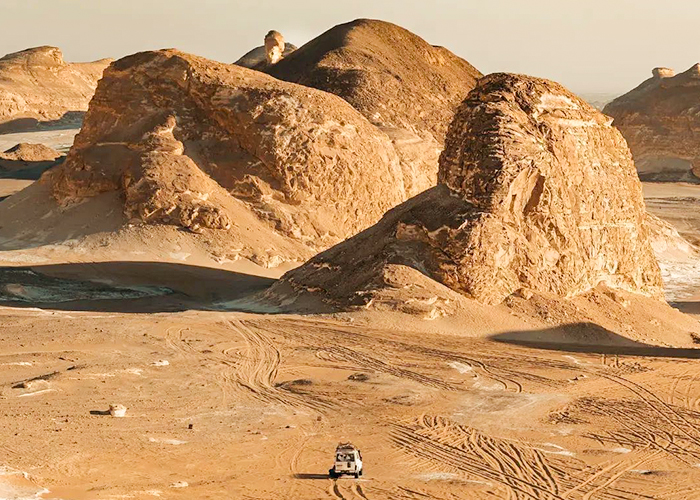
    1. Geological Formations and White Chalk Rocks: The geological formations in the White Desert are genuinely awe-inspiring. Towering pinnacles, massive domes, and undulating cliffs create a mesmerizing panorama that seems to belong to another world. The white chalk rocks, shaped like giant mushrooms or cones, add an element of mystery and enchantment to the landscape.

    2. Mushroom-Shaped Rock Formations: One of the most fascinating features of the White Desert is its mushroom-shaped rock formations. These natural sculptures emerge from the desert floor, with a rock cap perched delicately on a narrow stem. These formations result from erosion, with wind and sand gradually shaping the rocks over thousands of years.

    3. Crystal Mountain: Nestled within the White Desert, Crystal Mountain is a stunning geological formation adorned with glittering quartz crystals. The mountain sparkles as sunlight reflects off the crystals, creating a magical spectacle. Crystal Mountain is a must-visit attraction for those seeking natural wonders in Farafra Oasis.

    2. Bir Sitta Hot Springs

    For travelers in search of relaxation and therapeutic experiences, Bir Sitta Hot Springs offers a rejuvenating oasis within the oasis. These natural hot springs, rich in minerals, are believed to possess healing properties. Visitors can soak in the warm, soothing waters and let their worries melt away, surrounded by the serene desert landscape.

    3. Badr Museum

    To delve deeper into the history and culture of Farafra Oasis, a visit to the Badr Museum is highly recommended. The museum showcases a collection of artifacts, traditional crafts, and artwork that highlight the heritage and traditions of the oasis. It provides valuable insights into the lives of the local community and their artistic expressions.

    4. Farafra Town and its Architecture

    Exploring the town of Farafra itself is an opportunity to appreciate the local architecture and experience the everyday life of its residents. The town features traditional mud-brick houses with distinctive designs adorned with decorative elements and colorful patterns. Strolling through the narrow streets, visitors can interact with the friendly locals and immerse themselves in the authentic atmosphere of the oasis.

    Activities and Tourism

    1. Desert Safaris and Camping

    One of the most popular activities in Farafra Oasis is embarking on a desert safari. Guided tours allow visitors to explore the diverse landscapes of the oasis, from the mesmerizing White Desert to the vast dunes. Adventurers can ride camels or 4×4 vehicles, traversing the golden sands and witnessing the beauty of the desert at sunrise or sunset. Camping under the starry sky is a magical experience, immersing travelers in the tranquil ambiance of the desert.

    2. Hot Springs and Therapeutic Experiences

    Visiting the Bir Sitta Hot Springs is a must-do for those seeking relaxation and wellness. The warm mineral-rich waters have therapeutic properties, allowing visitors to unwind and rejuvenate amidst the peaceful desert. Resorts and accommodations in the oasis often provide facilities for spa treatments and massages, ensuring a truly indulgent experience.

    3. Stargazing and Astronomy

    Farafra Oasis boasts clear skies, making it an ideal destination for stargazing enthusiasts and astronomy lovers. With minimal light pollution, the oasis offers breathtaking night sky views, allowing visitors to marvel at constellations, shooting stars, and even the Milky Way. Several organized stargazing tours and events are available, providing informative insights into the celestial wonders above.

    4. Cultural Festivals and Events

    Farafra Oasis hosts cultural festivals and events throughout the year celebrating local traditions, music, and arts. These festivals offer a unique opportunity for visitors to engage with the community, witness traditional performances, taste authentic cuisine, and purchase locally-made crafts. The festivals provide a vibrant and joyful atmosphere where different cultures celebrate.

    Challenges and Conservation Efforts

    Water Scarcity and Management

    As an arid region, Farafra Oasis faces the challenge of water scarcity. The oasis relies on underground water sources, primarily from fossil aquifers, which require careful management to ensure sustainability. Conservation efforts focus on implementing efficient irrigation techniques, promoting water conservation practices, and raising awareness about the importance of preserving this precious resource.

    Environmental Preservation and Protection

    Preserving the unique natural environment of Farafra Oasis is of utmost importance. Efforts are being made to protect the delicate ecosystems, including the White Desert and its geological formations. Measures such as controlled tourism activities, designated trails, and waste management initiatives aim to minimize the environmental impact and maintain the oasis’ pristine beauty for future generations.

    Sustainable Tourism Initiatives

    Recognizing the significance of responsible tourism, various sustainable initiatives have been implemented in Farafra Oasis. Accommodations and tour operators adhere to eco-friendly practices, including energy conservation, waste reduction, and support for local communities. Sustainable tourism ensures the preservation of the oasis and contributes to the local population’s economic development and well-being.

    Farafra Oasis is a hidden gem within Egypt, offering a unique blend of natural wonders, rich history, and cultural heritage. From the surreal landscapes of the White Desert to the soothing hot springs and the vibrant traditions of the local community, Farafra Oasis provides an unforgettable experience for travelers seeking exploration and immersion in a captivating oasis. As visitors discover the oasis’ remarkable attractions, it is essential to prioritize the preservation of its natural and cultural heritage. By embracing sustainable practices and respecting the oasis’ fragile ecosystems, we can ensure that Farafra Oasis continues to enchant and inspire future generations. Plan your visit to Farafra Oasis today and embark on a journey of discovery amidst the awe-inspiring beauty of Egypt’s western desert.

    Related Articles You May be Interested in:

  • The Fayoum Oasis: Exploring Egypt’s Hidden Gem

    The Fayoum Oasis: Exploring Egypt’s Hidden Gem

    Located in the heart of Egypt, the Fayoum Oasis is a mesmerizing destination that offers a captivating blend of history, natural beauty, and cultural heritage. This oasis, situated about 80 kilometers southwest of Cairo, is a true hidden gem waiting to be discovered. With its rich historical significance and unique geographical features, the Fayoum Oasis attracts travelers seeking an off-the-beaten-path adventure. Let’s delve into the wonders of the Fayoum Oasis and explore its captivating attractions.

    Geographical Features

    The Fayoum Oasis stretches approximately 1,270 square kilometers, making it one of Egypt’s largest oases. Nestled between the Nile River and the Western Desert, this oasis is a picturesque landscape of contrasting beauty. Its diverse topography encompasses stunning dunes, lush greenery, fertile farmlands, and serene lakes.

    One of the notable features of the Fayoum Oasis is its intricate water system. The oasis is fed by the Bahr Yusuf, a canal that diverts water from the Nile River to irrigate the surrounding agricultural lands. This sophisticated irrigation system has sustained the region for centuries, creating a thriving oasis amidst the desert.

    History and Civilization

    The Fayoum Oasis boasts a rich historical legacy that dates back thousands of years. Archaeological findings suggest that the oasis has been inhabited since prehistoric times, with evidence of ancient settlements and artifacts. The region flourished during the Pharaonic era, and numerous ruins and structures are a testament to its glorious past.

    During the Greco-Roman period, the Fayoum Oasis experienced a significant cultural influence. The Greek settlers introduced their architectural styles and customs, leaving remarkable temples, statues, and artifacts behind them. The Hellenistic period saw the construction of the Pyramid of Amenemhat III and the Hawara Necropolis, showcasing the blending of Egyptian and Greek traditions.

    The Fayoum Oasis also played a pivotal role in developing early Christianity in Egypt. It is believed that the Holy Family sought refuge in this tranquil oasis during their journey through Egypt. The region is dotted with ancient monasteries and churches, offering a glimpse into its Christian heritage.

    Cultural Heritage and Attractions

    1. Qarun Lake & Wadi El-Rayan

    The Fayoum Oasis is brimming with cultural treasures and enchanting attractions that captivate visitors. Qarun Lake and the Wadi El-Rayan Protected Area are remarkable natural wonders within the oasis. Qarun Lake, the largest saltwater lake in Egypt, is a haven for birdwatchers and nature enthusiasts. Wadi El-Rayan, a stunning nature reserve, boasts captivating waterfalls, scenic landscapes, and an abundance of wildlife.

    2. The Pyramid of Amenemhat III and the Hawara Necropolis

    The Pyramid of Amenemhat III and the Hawara Necropolis are must-visit sites for history enthusiasts. The pyramid, built as a final resting place for Pharaoh Amenemhat III, showcases impressive architectural techniques of the time. The Hawara Necropolis is a vast burial complex that reveals ancient Egyptians’ intricate burial practices and beliefs.

    3. Temple of Sobek and Crocodile Museum

    The Temple of Sobek, dedicated to the crocodile-headed deity, and the Crocodile Museum provide a fascinating glimpse into ancient Egyptian mythology. These sites highlight the reverence and significance of crocodiles in the region’s cultural and religious traditions. Additionally, the Medinet Madi archaeological site offers a glimpse into the remains of an ancient city with its well-preserved temples and ruins.

    Wildlife and Biodiversity

    The Fayoum Oasis is a treasure trove of history and a haven for biodiversity. Its unique ecosystem supports a variety of plant and animal species. The oasis is home to diverse flora, including palm trees, acacias, and aromatic herbs. These lush oases and fertile lands attract migratory birds, making it a paradise for birdwatchers. Over 100 bird species can be spotted here, including flamingos, herons, and ducks.

    Modern Developments and Tourism

    The Fayoum Oasis has witnessed modern developments that have enhanced its agricultural practices and tourism infrastructure. The region has become renowned for its innovative agricultural projects, employing sustainable farming methods. Travelers can explore organic farms and learn about the irrigation techniques that have sustained the oasis for centuries.

    To accommodate the growing number of tourists, the Fayoum Oasis offers a range of accommodations, from cozy guesthouses to luxury resorts. Visitors can indulge in various activities such as desert safaris, birdwatching tours, and cultural experiences. Eco-tourism initiatives promote responsible travel and offer opportunities to engage with local communities and support their livelihoods.

    Challenges and Conservation Efforts

    As the Fayoum Oasis attracts more visitors, it faces challenges preserving its natural and cultural heritage. Given the reliance on irrigation systems, water management, and sustainability are crucial concerns. Conservation efforts focus on maintaining the delicate balance between agricultural needs and environmental sustainability.

    Preservation of historical sites and artifacts is another priority. Collaboration between local authorities, archaeological teams, and tourism stakeholders aims to safeguard these valuable remnants of the past. Balancing tourism development with environmental protection ensures that future generations can continue appreciating the Fayoum Oasis’s beauty.

    Conclusion The Fayoum Oasis is a hidden treasure, inviting travelers to unravel its secrets and immerse themselves in its captivating allure. With its unique geographical features, ancient history, and cultural heritage, this oasis offers a journey through time and an escape into nature. From exploring ancient ruins to experiencing the oasis’s natural wonders, the Fayoum Oasis promises an unforgettable adventure. As we revel in its splendor, preserving and promoting the oasis’s cultural and natural heritage is vital for generations to come.

    Related Articles You May be Interested in:

  • Egypt Black Desert: Discover the Mysterious Land of Endless Wonders

    Egypt Black Desert: Discover the Mysterious Land of Endless Wonders

    The Egypt Black Desert is a beautiful region that beckons adventurers and nature enthusiasts alike. Situated in the heart of Egypt, this mystical expanse offers a unique blend of history, natural beauty, and awe-inspiring landscapes. In this article, we will delve into the remarkable features that make the Black Desert region an extraordinary destination, exploring its geographical wonders, historical significance, diverse flora and fauna, thriving tourism industry, modern developments, and the boundless potential for future growth and preservation.

    Egypt Black Desert Geographical Features

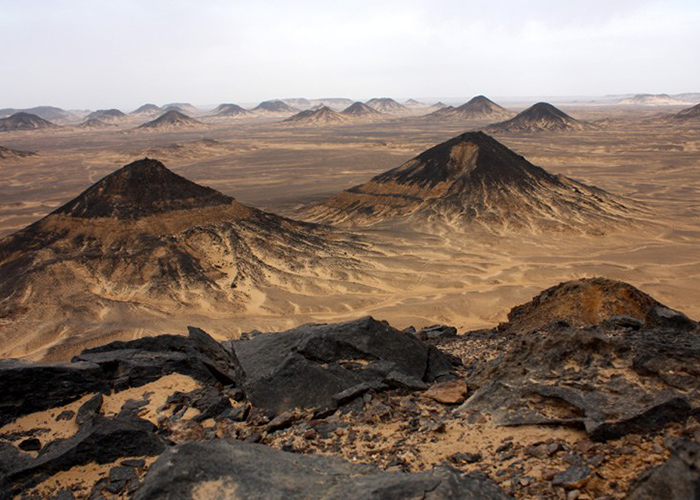
    The Black Desert spans approximately 40,000 square kilometers in the western part of Egypt. Bordered by the Nile River to the east and the Great Sand Sea to the west, this region captivates visitors with its distinct physical characteristics. The Black Desert derives its name from the dark volcanic rocks that blanket the landscape, creating a stark contrast against the golden sands of the surrounding deserts.

    The terrain of the Black Desert is a sight to behold. Towering black volcanic mountains and hills dominate the horizon, sculpted by thousands of years of wind and weather erosion. As you traverse the region, you’ll encounter dramatic dunes, immense sandstone formations, and rugged valleys that have been etched into the earth’s surface over time. This unique combination of geological wonders creates an otherworldly atmosphere, transporting visitors to a realm of natural grandeur.

    The climate in the Black Desert is arid, with scorching summers and mild winters. Temperatures can soar during the day, often surpassing 40 degrees Celsius, while nights offer a respite with cooler temperatures. Rainfall is scarce, and the region experiences a dry desert climate, making it an ideal destination for those seeking an escape from bustling city life.

    Historical Significance

    The Black Desert is a testament to Egypt’s natural splendor and holds profound historical significance. Ancient Egyptians revered this region, leaving behind a trail of archaeological findings that offer a glimpse into their civilization’s past.

    The Black Desert was a vital crossroad for trade routes, connecting ancient Egypt with neighboring civilizations. Caravans traversed these arid lands, facilitating cultural exchange and influencing the region’s development. Ruins and remnants of ancient settlements dot the landscape, preserving the remnants of past civilizations.

    Archaeological expeditions have unearthed various artifacts, including pottery, tools, and rock art, shedding light on the lives of ancient Egyptians who inhabited the Black Desert. These findings have helped archaeologists piece together the puzzle of Egypt’s rich history and the role this region played in shaping its cultural tapestry.

    Flora and Fauna

    Despite the harsh conditions, the Black Desert is home to a surprising array of flora and fauna that have adapted to thrive in this arid environment. Unique plant species, such as the Black Iris and Desert Rose, punctuate the sandy plains, adding vibrant hues to the monochromatic landscape.

    Wildlife thrives in the Black Desert, showcasing the resilience of nature. Gazelles, foxes, and gerbils roam the vast expanses, their nimble movements leaving traces on the shifting sands. The skies above are adorned with the graceful flight of eagles, falcons, and other avian species that have made this desert their home.

    Recognizing the importance of preserving the delicate ecosystem, conservation efforts have been implemented in the region. These initiatives focus on protecting endangered species, raising awareness about the environment’s fragility, and promoting sustainable practices to ensure the Black Desert’s biodiversity thrives for future generations.

    Tourism and Exploration

    The Black Desert in Egypt is a captivating destination for tourists and explorers seeking a unique and awe-inspiring experience. With its stunning landscapes, rich cultural heritage, and adventurous opportunities, the region offers many attractions and activities for visitors.

    Popular Tourist Attractions and Activities in the Black Desert

    1. Crystal Mountain

    One of the most iconic attractions in the Black Desert is Crystal Mountain. This natural wonder is a mountainous formation adorned with sparkling crystals, creating a mesmerizing sight. Visitors can hike through the rugged terrain to reach Crystal Mountain and marvel at its beauty.

    2. Valley of Agabat

    The Valley of Agabat is another popular destination that attracts tourists. This valley is characterized by its unique rock formations, sculpted by centuries of wind and erosion. Exploring the valley allows visitors to witness the intricate shapes and patterns nature creates.

    3. Black Desert Camping

    Camping in the Black Desert is an experience like no other. With the vast expanse of golden dunes and the backdrop of volcanic rocks, camping under the starry night sky offers a sense of tranquility and solitude. Many tour operators offer guided camping trips, allowing visitors to immerse themselves in the desert’s beauty.

    Desert Safaris and Adventure Tourism Opportunities

    1. Camel Trekking

    Embarking on a camel trek through the Black Desert is a quintessential desert experience. Riding on these majestic creatures allows travelers to traverse the sandy plains and experience the rhythm of traditional desert transportation. Camel safaris range from a few hours to several days, offering a deeper immersion into the desert landscape.

    2. 4×4 Desert Tours

    Adventurous souls can opt for exhilarating 4×4 desert tours that take them deep into the heart of the Black Desert. Skilled drivers navigate the rugged terrain, providing an adrenaline-pumping ride while showcasing the desert’s hidden gems and panoramic vistas. These tours often include stops at key attractions and provide insights into the region’s history and culture.

    3. Sandboarding and Dune Bashing

    For thrill-seekers, sandboarding and dune bashing are must-try activities in the Black Desert. Sandboarding involves gliding down the sandy slopes on a board, offering an adrenaline rush and a unique perspective of the desert. Dune bashing, on the other hand, involves off-road driving over the undulating dunes, creating an exhilarating adventure for adrenaline junkies.

    Archaeological Sites and Ruins Open for Exploration

    1. Jebel Uweinat

    On the border between Egypt, Libya, and Sudan, Jebel Uweinat is a UNESCO World Heritage Site. It is a mountainous region with ancient rock art, prehistoric engravings, and evidence of early human settlements. Exploring this archaeological treasure trove provides insights into the history and culture of the Black Desert’s earliest inhabitants.

    2. Rock Art Sites

    Scattered throughout the Black Desert are rock art sites that depict ancient civilizations’ daily lives and cultural practices. These intricate drawings and engravings showcase past societies’ artistic abilities and storytelling traditions. Guided tours offer a chance to visit these sites and unravel the mysteries behind ancient rock art.

    3. Roman Ruins at Al-Dakhla Oasis

    While not strictly within the Black Desert, the nearby Al-Dakhla Oasis is home to well-preserved Roman ruins. The ancient city of Al-Qasr, with its mud-brick buildings and narrow alleys, provides a glimpse into the Roman occupation of the region. Exploring the ruins transports visitors back in time, allowing them to connect with the area’s historical legacy.

    The Black Desert in Egypt offers many opportunities for tourism and exploration. Whether it’s witnessing the sparkling crystals of Crystal Mountain, embarking on a camel trek through the golden dunes, or exploring ancient archaeological sites, visitors are sure to be captivated by the region’s natural beauty and rich history. With responsible tourism practices in place, the Black Desert will continue to enchant and inspire visitors worldwide for years to come.

    Modern Developments

    In recent years, significant strides have been made in improving infrastructure and transportation in the Black Desert region. Accessible roads and transportation networks now facilitate easier travel, connecting this remote expanse to the rest of Egypt and the world.

    These developments have led to a surge in economic activities and industries in the area. Tourism has flourished, attracting visitors from all corners of the globe. Hotels, resorts, and desert camps have sprung up, offering comfortable accommodations amidst the rugged beauty of the Black Desert.

    As with any rapidly growing region, challenges and opportunities for sustainable development emerge. Balancing economic growth with environmental conservation is paramount to ensuring the Black Desert’s unique ecosystem remains intact and undisturbed.

    The Egypt Black Desert is a beautiful region that offers a blend of natural wonders, historical significance, and cultural richness. Its unique landscape, enriched by volcanic rocks and golden dunes, creates a mesmerizing setting for exploration and adventure. From ancient Egyptian connections to modern-day tourism developments, the Black Desert embodies the essence of Egypt’s diverse heritage.

    As we appreciate the beauty and significance of the Black Desert, it is crucial to preserve and protect this extraordinary ecosystem for future generations. By embracing sustainable practices and responsible tourism, we can ensure the continued growth and preservation of this mysterious land of ancient wonders. The Egypt Black Desert beckons—come and discover its secrets.

    Related Articles You May be Interested in:

  • Bahariya Oasis: Discover the Enchanting Hidden Gem in the Western Desert of Egypt

    Bahariya Oasis: Discover the Enchanting Hidden Gem in the Western Desert of Egypt

    Welcome to the Bahariya Oasis, an awe-inspiring destination in the heart of the Western Desert of Egypt. This unique oasis, with its rich historical background, stunning natural attractions, and vibrant local culture, offers an unforgettable experience for travelers seeking a remarkable adventure. In this comprehensive guide, we invite you to discover the captivating wonders of Bahariya Oasis, from its ancient history to its diverse landscapes and the hidden gems that await exploration.

    Overview of Bahariya Oasis

    Bahariya Oasis, known as the “Northern Oasis,” is one of Egypt’s most remarkable natural and cultural treasures. Located approximately 370 kilometers southwest of Cairo, it is a hidden gem awaiting discovery. Surrounded by desert landscapes, this oasis boasts a tranquil atmosphere, making it an ideal escape from bustling city life.

    Historical Background

    Ancient History and Archaeological Significance

    The roots of Bahariya Oasis date back to ancient times, making it an archaeological wonderland. It was an essential stop along ancient trade routes, connecting Egypt with neighboring regions. Archaeological excavations have uncovered remnants of civilizations that thrived here, leaving behind a rich tapestry of history waiting to be explored.

    Connection to the Pharaonic Era and Greco-Roman Period

    Bahariya Oasis is important in Egyptian history, particularly during the Pharaonic and Greco-Roman periods. It served as a key agricultural hub, supplying food to neighboring regions. The presence of ancient temples and tombs attests to the influence of various civilizations that left their mark on this oasis, making it an invaluable historical and cultural site.

    Geography and Climate

    A. Location within the Western Desert of Egypt Situated in the vast Western Desert, Bahariya Oasis is surrounded by majestic dunes and stunning desert landscapes. It spans an area of approximately 2,000 square kilometers and is part of the larger Western Desert Oases system, which includes other notable oases such as Farafra, Dakhla, and Kharga.

    Description of the Oasis Landscape

    Bahariya Oasis boasts a diverse and captivating landscape. The oasis is characterized by lush palm groves, verdant gardens, and natural springs that offer a refreshing contrast against the arid desert surroundings. Its unique blend of greenery and golden dunes creates a breathtaking panorama, perfect for avid nature enthusiasts and photographers.

    Climate and Weather Patterns

    The oasis enjoys a desert climate, with hot summers and mild winters. Summers are characterized by high temperatures during the day, while nights provide some relief with cooler temperatures. Winters are pleasantly mild, making it an ideal time to explore the outdoor attractions of Bahariya Oasis. Visiting during the cooler months of October to April is recommended to make the most of your experience.

    Natural Attractions

    White Desert

    1. Unique Rock Formations and Chalk Cliffs

    The White Desert, a mesmerizing natural wonder within the Bahariya Oasis, is renowned for its surreal landscape. Here, you’ll encounter striking rock formations sculpted by centuries of wind erosion, resulting in magnificent chalk cliffs and otherworldly shapes resembling natural sculptures.

    2. Camping and Stargazing Opportunities

    The White Desert offers an unparalleled camping experience under the stars. The crystal-clear skies reveal a celestial spectacle as night falls, providing an extraordinary stargazing experience. Picture yourself surrounded by the ethereal beauty of the desert, with the soft glow of a campfire and a sky adorned with countless twinkling stars.

    Black Desert

    1. Volcanic Rock Formations and Dark Sand Dunes

    Prepare to be amazed by the dramatic landscapes of the Black Desert, located on the outskirts of Bahariya Oasis. This otherworldly expanse is characterized by volcanic rock formations, resulting in unique black and dark brown hues contrasting with the golden sands. It’s a photographer’s paradise and a true dream for geology enthusiasts.

    2. Geological Formations and Desert Fauna

    Watch for intriguing geological formations while exploring the Black Desert, including basalt mountains and hills. This area also supports a surprising variety of desert flora and fauna, with some hardy plant species and small desert animals adapting to survive in this arid environment.

    Crystal Mountain

    1. Quartz Crystals and Geological Formations

    In Bahariya Oasis, Crystal Mountain is a geological marvel adorned with dazzling quartz crystals. This sparkling mountain range is a sight to behold, with its shimmering crystals embedded in the rocks, reflecting the sunlight and creating a magical ambiance. It’s a natural wonder that attracts rock enthusiasts and curious travelers alike.

    2. Hiking and Exploration Opportunities

    Crystal Mountain offers excellent hiking trails for those seeking an active adventure. As you navigate the rugged terrain, you’ll be rewarded with breathtaking vistas and the chance to discover hidden crystal formations. Whether you’re a seasoned hiker or a casual explorer, Crystal Mountain offers a unique and memorable experience.

    Cultural and Historical Sites

    Temple of Alexander the Great

    1. History and Significance

    The Temple of Alexander the Great is a testament to the oasis’s rich historical heritage. Constructed during the Ptolemaic era, this temple pays homage to the legendary conqueror, serving as a reminder of the significant influence he had in the region. It is believed to be the only temple dedicated to Alexander the Great in Egypt.

    2. Architectural Features

    The temple showcases a blend of Egyptian and Hellenistic architectural styles, reflecting the merging of cultures during that era. Visitors can marvel at the well-preserved columns, intricate carvings, and ornate details that adorn the temple walls, providing a glimpse into the craftsmanship of ancient times.

    Valley of the Golden Mummies

    1. Discovery and Excavation of Mummies

    The Valley of the Golden Mummies is a captivating archaeological site within Bahariya Oasis. It was discovered in the late 20th century and revealed a collection of remarkably preserved mummies dating back to the Greco-Roman period. The golden hue of the mummies’ burial masks adds a unique allure to this ancient burial ground.

    2. Importance of the Site for Understanding Ancient Burial Practices

    The Valley of the Golden Mummies offers invaluable insights into the burial customs and practices of the Greco-Roman era. The discovery of these lavishly decorated tombs sheds light on the intricate rituals and beliefs surrounding death and the afterlife during that time, providing archaeologists and historians with valuable knowledge.

    Museum of Bahariya Oasis

    1. Collections and Exhibits Related to Local History and Culture

    The Museum of Bahariya Oasis is a treasure trove of artifacts and exhibits that showcase the oasis’s cultural heritage. It houses a vast collection of ancient artifacts, including pottery, jewelry, and sculptures, providing visitors with a deeper understanding of the region’s historical significance and the daily lives of its inhabitants.

    2. Artifacts and Historical Displays

    Immerse yourself in the beautiful displays that bring Bahariya Oasis’s history to life. From informative panels detailing the oasis’s geological formations to artifacts that tell stories of ancient civilizations, the museum offers a comprehensive experience that enriches your journey through time.

    Local Communities and Lifestyle

    Bedouin Communities and Traditional Way of Life

    Bahariya Oasis is home to several Bedouin communities who have preserved their traditional way of life amidst the changing times. Interacting with the friendly and hospitable Bedouin people provides a unique opportunity to gain insights into their ancient customs, traditions, and nomadic lifestyle.

    Agriculture and Farming in the Oasis

    The fertile lands of Bahariya Oasis support thriving agricultural practices. The locals cultivate date palms, olives, citrus fruits, and various crops, showcasing their deep-rooted knowledge of sustainable farming techniques adapted to the desert environment. Exploring the lush farmlands and witnessing the dedication of the oasis farmers is a testament to their resilience and resourcefulness.

    Tourism and Its Impact on the Local Economy

    Tourism has played a vital role in the economic growth of Bahariya Oasis. The influx of visitors allows the local community to showcase their cultural heritage and traditional craftsmanship, offering handmade souvenirs and locally produced goods. By supporting responsible tourism practices, travelers contribute to the oasis’s sustainable development and its inhabitants’ well-being.

    Adventure and Recreational Activities

    A. Off-Road Desert Tours and Safaris Embark on an exhilarating off-road desert tour or safari, where experienced guides navigate the rugged terrains and through the hidden gems of Bahariya Oasis. Traverse the golden dunes, witness the mesmerizing landscapes, and feel the thrill of exploring the vast expanses of the desert.

    Camel and Horseback Riding

    Immerse yourself in the authentic desert experience by venturing on a camel or horseback ride through the enchanting oasis. Let these majestic creatures be your companions as you embark on an unforgettable journey, taking in the beauty of the surrounding landscapes and relishing the serenity of the desert.

    Sandboarding and Dune Exploration

    For adventure enthusiasts seeking an adrenaline rush, sandboarding is a must-try activity in Bahariya Oasis. Glide down the mesmerizing dunes, feeling the exhilaration as you conquer the slopes. Additionally, you can explore the dunes on foot, appreciating their grandeur and capturing unforgettable moments amid the vast desert.

    In conclusion, Bahariya Oasis offers a mesmerizing blend of natural beauty, rich history, and vibrant culture. From its unique rock formations and beautiful archaeological sites to the warmth of its local communities and thrilling adventure opportunities, this oasis has something to captivate every traveler. As you explore Bahariya Oasis, remember the importance of preserving its natural and cultural heritage, ensuring that future generations can continue to revel in its timeless wonders.

    Related Articles You May be Interested in:

Order via WhatsApp