Author: GEM Tours

  • Christmas Vacation in Egypt: A Unique Blend of History, Culture, and Celebrations

    Christmas Vacation in Egypt: A Unique Blend of History, Culture, and Celebrations

    Egypt is a captivating tourist destination that offers a rich tapestry of history, culture, and natural beauty. Egypt attracts visitors worldwide with its ancient wonders, vibrant cities, and warm hospitality. However, the holiday season, especially Christmas and New Year, holds a special significance in this remarkable country. In this guide, we will delve into the enchanting Christmas vacation in Egypt experiences that await you in Egypt, highlighting the best attractions, festivities, and activities to make your holiday unforgettable.

    Overview of Egypt as a tourist destination

    Egypt, located in northeastern Africa, is renowned for its timeless treasures and iconic landmarks. From the awe-inspiring Pyramids of Giza to the majestic temples of Luxor and the tranquil shores of the Red Sea, this country offers every traveler a diverse range of experiences. With a history spanning thousands of years, Egypt boasts a fascinating cultural heritage that includes ancient civilizations, pharaohs, and legendary monuments. Whether you’re a history enthusiast, an adventure seeker, or a relaxation aficionado, Egypt has something for everyone.

    Importance of Christmas and New Year Celebrations in Egypt

    Christmas and New Year celebrations in Egypt are eagerly anticipated events that bring joy and festivity to locals and tourists alike. While Egypt is predominantly a Muslim country, the Christian population, mainly the Coptic Orthodox community, celebrates Christmas vacation in Egypt on the 7th of January, according to the Julian calendar. The festive spirit is palpable throughout the country, with cities adorned with vibrant decorations, bustling markets, and various traditional customs and religious observances. From attending midnight Mass to exploring ancient monasteries and partaking in lively street festivities, Egypt offers a unique and immersive experience during the holiday season.

    Christmas Vacation in Egypt

    Festive atmosphere in Cairo and other cities

    1. Decorations and lights in major streets and squares

    During Christmas vacation in Egypt, Cairo comes alive with dazzling decorations and colorful lights that transform the city into a festive wonderland. Prominent locations such as Tahrir Square, Al-Muizz Street, and Zamalek district are adorned with twinkling lights, ornaments, and beautifully decorated Christmas trees, creating a magical ambiance that captures the holiday spirit. Strolling through the illuminated streets is a joyous experience that immerses you in the vibrant atmosphere of the season.

    2. Christmas markets and bazaars

    One of the highlights of Christmas in Egypt is the lively markets and bazaars that pop up across the country. These markets offer a unique shopping experience where you can find a wide array of traditional crafts, handmade gifts, and delicious seasonal treats. Khan El Khalili in Cairo and St. Catherine’s Monastery market in the Sinai Peninsula are particularly popular destinations, where you can explore stalls filled with vibrant textiles, intricate jewelry, aromatic spices, and delectable Egyptian sweets.

    Visiting Coptic churches and participating in religious services

    3. Attending Christmas Eve Mass at the Coptic Orthodox Cathedral

    Attending Christmas Eve Mass at the Coptic Orthodox Cathedral in Cairo is an unforgettable experience that allows you to witness Egypt’s deeply rooted religious traditions. The cathedral, located in the Abbassiya district, is beautifully adorned for the occasion, and the service is conducted with great reverence and devotion. The enchanting chants and hymns, accompanied by the mesmerizing aroma of incense, create a spiritual atmosphere that leaves a lasting impression.

    4. Exploring ancient Coptic monasteries in Wadi Natrun

    For a more profound spiritual experience, consider visiting the ancient Coptic monasteries in Wadi Natrun. Wadi Natrun, located in the Western Desert, is home to several well-preserved monastic complexes that date back to the early centuries of Christianity. These monasteries, such as the Monastery of Saint Bishoy and the Monastery of Saint Macarius, provide a serene and contemplative environment to connect with Egypt’s Christian heritage.

    The renowned St. Catherine’s Monastery in Sinai offers a glimpse into the region’s religious history. Nestled at the foot of Mount Sinai, this UNESCO World Heritage site is an important pilgrimage destination for Christians. Exploring the monastery’s ancient chapels, icons, and manuscripts is a fascinating journey into Egypt’s Christian legacy.

    Exploring historical sites and landmarks

    5. Visiting the Pyramids of Giza and the Sphinx

    No trip to Egypt is complete without marveling at the iconic Pyramids of Giza. These ancient wonders, built as tombs for the pharaohs, have stood the test of time and continue to captivate visitors with their grandeur and mystique. Witnessing the Great Pyramid of Khufu, the Pyramid of Khafre, and the Pyramid of Menkaure up close is an awe-inspiring experience that transports you back to the days of ancient Egypt. Don’t forget to visit the enigmatic Sphinx, a colossal statue with a lion’s body and a pharaoh’s face guarding the pyramids.

    6. Exploring the ancient temples of Luxor and Karnak

    Luxor, often called the world’s greatest open-air museum, is a treasure trove of ancient temples and archaeological sites. The Karnak Temple Complex, with its towering columns and intricate hieroglyphics, is a testament to the architectural prowess of the ancient Egyptians. The Luxor Temple, located on the east bank of the Nile, is another magnificent structure that showcases the grandeur of the New Kingdom era. Exploring these temples and witnessing the remnants of a glorious past is a mesmerizing journey through Egypt’s rich history.

    Nile River cruise experience

    7. Enjoying a luxurious cruise along the Nile River

    Embarking on a Nile River cruise is a delightful way to experience Egypt’s cultural heritage while indulging in luxurious comfort. Cruises typically depart from Luxor or Aswan and navigate along the majestic Nile, allowing you to witness picturesque landscapes, charming villages, and ancient temples. From the comfort of your elegant cruise ship, you can relax on sun decks, savor gourmet cuisine, and enjoy panoramic views as you sail through the heart of Egypt.

    8. Visiting iconic destinations like Aswan and Abu Simbel

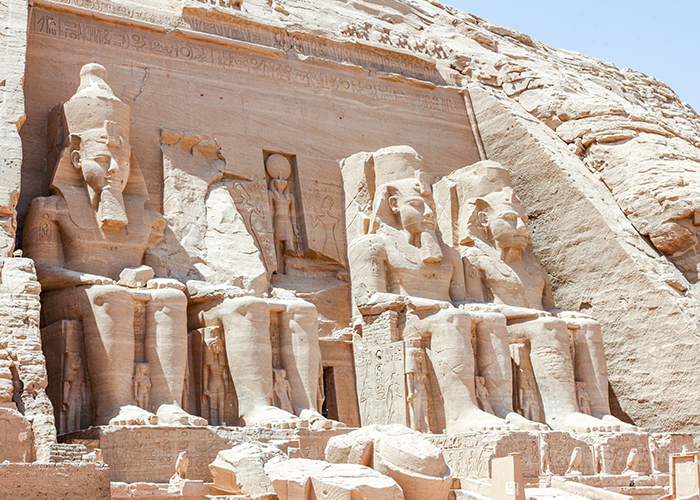
    A Nile River cruise allows one to explore iconic destinations such as Aswan and Abu Simbel. Aswan, known for its serene beauty and Nubian culture, is home to the magnificent Philae Temple and the Unfinished Obelisk. The temples of Abu Simbel, located on the banks of Lake Nasser, are a marvel of ancient engineering and artistry. These colossal temples, dedicated to Ramses II and his queen, Nefertari, were relocated to higher ground to save them from the rising waters of the Nile, making them a testament to modern preservation efforts.

    Adventurous activities in the Red Sea region

    9. Diving and snorkeling in the Red Sea’s vibrant coral reefs

    If you seek adventure and underwater exploration, the Red Sea region offers a paradise for divers and snorkelers. The warm and crystal-clear waters teem with a kaleidoscope of marine life, vibrant coral reefs, and mesmerizing underwater landscapes. Destinations such as Hurghada and Sharm El Sheikh are renowned for their world-class diving sites, where you can encounter colorful fish, graceful manta rays, and even the elusive dugongs. Whether you’re a seasoned diver or a beginner, the Red Sea offers unforgettable experiences beneath its azure surface.

    10 Relaxing on the stunning beaches of Hurghada or Sharm El Sheikh

    For those seeking relaxation and tranquility, the stunning beaches of Hurghada and Sharm El Sheikh provide idyllic retreats. Picture yourself basking in the warm Egyptian sun, lounging on pristine white sands, and swimming in turquoise waters. These resort towns offer luxurious beachfront hotels, spa retreats, and water sports activities to ensure a rejuvenating and blissful vacation experience.

    New Year Celebration in Egypt

    Festivities in Cairo and other cities

    1. Fireworks displays at iconic locations like the Nile Corniche

    As the clock strikes midnight on New Year’s Eve, Cairo’s skyline illuminates with dazzling fireworks displays. Iconic locations such as the Nile Corniche and Cairo Tower serve as magnificent backdrops for these awe-inspiring spectacles. Join the jubilant crowds and witness the sky come alive with bursts of color and light, creating a mesmerizing celebration of the new year.

    2. Street parties and live music performances

    Cairo and other Egyptian cities come alive with vibrant street parties and live music performances on New Year’s Eve. Tahrir Square and Zamalek district in Cairo are renowned for their lively celebrations, where locals and tourists gather to dance, sing, and rejoice in the festive atmosphere. The streets resonate with music ranging from traditional Egyptian tunes to contemporary hits, creating an energetic and joyous ambiance that marks the beginning of a new year.

    New Year’s Eve dinner and entertainment options

    3. Enjoying a special dinner at a rooftop restaurant with Nile views

    For a truly memorable New Year’s Eve experience, indulge in a special dinner at one of Cairo’s rooftop restaurants overlooking the Nile River. As you savor a delectable feast of Egyptian delicacies and international cuisine, you’ll be treated to panoramic views of the cityscape adorned with sparkling lights. The romantic ambiance and the enchanting backdrop of Cairo’s skyline set the stage for a sophisticated and memorable evening.

    4. Attending a traditional Egyptian dance or music show

    Immerse yourself in Egypt’s rich artistic traditions by attending a traditional Egyptian dance or music show on New Year’s Eve. Cairo’s cultural centers and performance venues, such as the Cairo Opera House and El Sawy Culturewheel, host captivating performances featuring mesmerizing belly dancing, hypnotic Sufi music, and exhilarating folk dances. These cultural showcases glimpse Egypt’s artistic heritage and add more enjoyment to your New Year’s celebrations.

    Desert adventures and cultural experiences

    5. Exploring the majestic Sahara Desert on a desert safari

    Venture into the vast expanse of the Sahara Desert and embark on a thrilling desert safari to welcome the new year. Hop on a camel or a 4×4 vehicle and traverse the golden dunes, marveling at the breathtaking landscapes that stretch as far as the eye can see. From the Western Desert’s stunning White Desert to the ethereal beauty of the Eastern Desert’s Black Desert, each corner of the Sahara offers a unique and awe-inspiring experience.

    6. Engaging with local Bedouin communities and experiencing their customs

    To gain a deeper appreciation for Egypt’s cultural heritage, consider interacting with the local Bedouin communities in the desert. The Bedouins, with their nomadic lifestyle and rich traditions, offer a glimpse into a way of life preserved for generations. Engage in conversations, partake in traditional meals, and learn about their customs, folklore, and hospitality. This immersive cultural experience allows you to forge meaningful connections and better understand Egypt’s diverse cultural tapestry.

    Luxurious resorts and relaxation

    7. Indulging in spa treatments and wellness activities

    After the exhilaration of exploring Egypt’s historical sites and partaking in festive celebrations, pamper yourself with rejuvenating spa treatments and wellness activities. Many resorts and hotels along the Red Sea coast and in Cairo offer world-class spas that provide a sanctuary of relaxation. From soothing massages to invigorating hydrotherapy sessions, these wellness retreats offer a blissful escape where you can recharge your body and mind.

    8. Enjoying the tranquility of a resort on the Red Sea coast

    Escape the hustle and bustle of city life and bask in the serenity of a luxurious resort on the Red Sea coast. This region offers a perfect setting for unwinding and rejuvenation with its pristine beaches, azure waters, and luxurious amenities. Lounge by the pool, indulge in gourmet dining or soak up the tranquil ambiance as you welcome the new year in ultimate comfort and tranquility.

    In conclusion, a Christmas vacation in Egypt offers a unique blend of history, culture, and celebration. From the festive atmosphere in Cairo and other cities to exploring ancient sites and embarking on Nile River cruises, Egypt provides many experiences during the holiday season. The New Year celebrations in Egypt add excitement and joy with their fireworks displays, street parties, and cultural performances. Whether captivated by the ancient wonders, seeking adventure in the desert, or longing for relaxation on the stunning Red Sea beaches, Egypt promises a holiday season filled with unforgettable moments. Embrace the opportunity to immerse yourself in Egypt’s rich heritage, create lasting memories, and experience the unique allure of this captivating country during Christmas and New Year in Egypt.

    You Might Be Interested In These Related Articles:

  • Entry Visa to Egypt: How to Get to Egypt and Top Visa Requirements

    Entry Visa to Egypt: How to Get to Egypt and Top Visa Requirements

    Are you planning a visit to Egypt? Understanding the entry visa requirements is essential for a smooth and hassle-free journey. In this comprehensive guide, we will provide you with all the necessary information about obtaining an entry visa to Egypt, including eligibility criteria, application processes, required documents, fees, and much more. Whether you’re visiting for tourism, business, education, or work, this guide will ensure you are well-prepared for your trip.

    Egyptian Entry Visa

    An entry visa is an official document issued by the Egyptian government that grants foreign nationals the right to enter and stay in Egypt for a specific period. It serves as a permit for legal entry into the country and ensures compliance with immigration laws.

    Types of Entry Visas

    Egypt offers various types of entry visas to cater to different travel purposes. The most common types include tourist, business, student, work, and transit visas. Each visa type has specific requirements and conditions.

    Obtaining a valid entry visa is crucial as it allows you to enter Egypt legally and ensures a smooth and trouble-free experience during your stay. Failure to possess the required visa may lead to denial of entry or legal consequences. Understanding the specific visa requirements and obtaining the appropriate visa type based on your travel purpose is essential.

    Tourist Entry Visa

    Eligibility Criteria

    The tourist entry visa is designed for individuals visiting Egypt for leisure, sightseeing, or cultural activities. Eligibility is typically open to individuals of various nationalities, but specific requirements may vary.

    Application Process

    To apply for a tourist entry visa, you can submit your application to an Egyptian consulate or embassy in your home country. Alternatively, an e-visa option may be available for certain nationalities, allowing you to apply online.

    Required Documents

    When applying for a tourist entry visa, you will typically need to provide documents such as a valid passport, completed application form, proof of travel itinerary, and proof of accommodation in Egypt.

    Duration of Stay and Extension Options

    A standard tourist entry visa allows you to stay in Egypt for a specified duration, usually up to 30 days. If you wish to extend your stay, you may apply for an extension at the relevant Egyptian immigration authority.

    Fees and Payment Methods

    Tourist entry visa fees vary depending on the nationality and the duration of stay. The fees can be paid at the embassy or consulate during the application process or through online payment methods if applying for an e-visa.

    Business Entry Visa

    Eligibility Criteria

    The business entry visa is designed for individuals traveling to Egypt for business-related purposes, such as attending conferences, meetings, or exploring potential investment opportunities.

    Application Process

    To apply for a business entry visa, you must typically submit your application to the Egyptian consulate or embassy in your home country. The application process may require additional supporting documents, such as an invitation letter from an Egyptian business entity.

    Required Documents

    When applying for a business entry visa, you must provide documents such as a valid passport, completed application form, proof of purpose of travel, letter of invitation, and any relevant business-related documents.

    Duration of Stay and Extension Options

    The duration of stay for a business entry visa varies depending on the specific visa type and the purpose of your visit. If you need to extend your stay, you must apply for an extension at the relevant Egyptian immigration authority.

    Fees and Payment Methods

    Business entry visa fees are determined based on the duration of stay and nationality. The fees can be paid at the embassy or consulate during the application process.

    Student Entry Visa

    Eligibility Criteria

    The student entry visa is for individuals who have been accepted into an educational institution in Egypt and wish to pursue their studies there.

    Application Process

    To apply for a student entry visa, you will typically need to submit your application to the Egyptian consulate or embassy in your home country. You may also require a sponsorship or acceptance letter from an educational institution in Egypt.

    Required Documents

    When applying for a student entry visa, you must provide documents such as a valid passport, completed application form, letter of acceptance from the educational institution, proof of financial means, and health insurance coverage.

    Duration of Stay and Extension Options

    The student entry visa allows you to stay in Egypt for your study program. If you need to extend your stay, you must apply for an extension at the relevant Egyptian immigration authority.

    Fees and Payment Methods

    Student entry visa fees are determined based on the duration of stay and nationality. The fees can be paid at the embassy or consulate during the application process.

    Work Entry Visa

    Eligibility Criteria

    The work entry visa is designed for individuals who have secured employment in Egypt and wish to work there.

    Application Process

    To apply for a work entry visa, your employer in Egypt must initiate the application process on your behalf. The employer will typically submit the necessary documents to the Egyptian Ministry of Manpower.

    Required Documents

    When applying for a work entry visa, the employer usually provides documents such as a letter of employment, a work contract, and other employment-related documents. You may need to provide your valid passport, medical examination reports, and other supporting documents as an employee.

    Duration of Stay and Extension Options

    The work entry visa allows you to stay in Egypt for your employment contract. To extend your stay, you must apply for an extension at the relevant Egyptian immigration authority.

    Fees and Payment Methods

    The employer typically bears work entry visa fees. However, it is essential to clarify the fee responsibilities with your employer. Payment methods may vary based on the procedures set by the Egyptian Ministry of Manpower.

    Transit Entry Visa

    Eligibility Criteria

    The transit entry visa is for individuals transiting through Egypt to reach their final destination.

    Application Process

    To apply for a transit entry visa, you must typically submit your application to the Egyptian consulate or embassy in your home country. You must provide proof of your onward travel arrangements.

    Required Documents

    When applying for a transit entry visa, you must provide documents such as a valid passport, completed application form, proof of onward travel, and valid visa or travel documents for your final destination (if required).

    Duration of Stay and Extension Options

    The transit entry visa allows you to stay in Egypt for a limited period, usually 48 or 72 hours. Extension options for transit visas may be limited or not available. It is important to ensure you comply with the designated transit duration.

    Fees and Payment Methods

    Transit entry visa fees vary depending on the duration and nationality. The fees can be paid at the embassy or consulate during the application process.

    Other Entry Visa Categories

    Diplomatic and Official Visas

    Diplomatic and official visas are granted to individuals traveling to Egypt on diplomatic or official missions. These visas are usually issued upon request by the relevant diplomatic or consular authorities.

    Special Entry Visas

    Egypt may offer special entry visas for unique circumstances or events. These visas may include cultural exchange, medical treatment, research, and more. The eligibility criteria, application process, required documents, and fees for special entry visas will vary based on the specific category.

    Visa-Free and Visa-on-Arrival Countries

    Countries Exempt from Entry Visa Requirements

    Egypt has visa-free agreements with several countries, allowing citizens of those nations to enter Egypt without a visa for specific durations. The list of visa-exempt countries is subject to change, and it is essential to check the latest information before your trip.

    Visa-on-Arrival Countries and Conditions

    Egypt offers visa-on-arrival services at major international airports for citizens of countries that are not visa-exempt. However, the availability and conditions for visa-on-arrival may vary, and it is advisable to check the specific requirements before traveling.

    Summary of Entry Visa Types

    This guide has provided an overview of the various entry visa types available for travel to Egypt, including tourist, business, student, work, and transit visas.

    The appropriate entry visa is crucial for smooth and legal entry into Egypt. It is essential to thoroughly understand the requirements and adhere to the regulations to avoid complications or legal consequences.

    For more detailed and up-to-date information on Egyptian entry visas, it is recommended to visit the official website of the Egyptian Ministry of Foreign Affairs or consult the nearest Egyptian consulate or embassy in your home country.

    By familiarizing yourself with the entry visa requirements and following the correct procedures, you can ensure a seamless and enjoyable journey to Egypt. Plan, gather the necessary documents, and embark on your Egyptian adventure with confidence.

    You Might Be Interested In These Related Articles:

  • Best Places to Visit in Luxor and Aswan: Unveiling Egypt’s Timeless Treasures

    Best Places to Visit in Luxor and Aswan: Unveiling Egypt’s Timeless Treasures

    Luxor and Aswan, two cities nestled along the majestic Nile River, are beacons of Egypt’s rich history and cultural heritage. Each city holds its own allure, boasting captivating ancient sites, breathtaking landscapes, and vibrant local experiences. Whether you’re an avid history buff, a nature enthusiast, or simply seeking a unique adventure, Luxor and Aswan offer an unforgettable journey through time. Let’s delve into the wonders of these remarkable cities and discover the hidden gems that await.

    City of Luxor Egypt

    Luxor, often called the “world’s greatest open-air museum,” is a captivating destination steeped in historical significance. Once known as Thebes, Luxor was the capital of ancient Egypt and served as a great seat of power for centuries. Today, its sprawling archaeological sites and well-preserved temples draw travelers from around the globe.

    • Historical Background

    Ancient Thebes

    Luxor was once the glorious capital of the New Kingdom of Egypt, known as Thebes. It was a hub of political, religious, and cultural activities, leaving an extraordinary collection of ancient ruins.

    Temples of Luxor and Karnak

    The Temples of Luxor and Karnak are awe-inspiring architectural marvels that showcase the grandeur of ancient Egyptian temple complexes. These sacred sites were dedicated to various deities and vital to religious ceremonies and festivities.

    • Luxor Attractions and Landmarks

    Valley of the Kings

    Explore the final resting place of pharaohs and nobles in the Valley of the Kings, where elaborate tombs and intricate wall paintings offer a glimpse into the afterlife beliefs of ancient Egyptians.

    Luxor Temple

    Marvel at the splendor of Luxor Temple, an ancient complex that once stood as the center of religious ceremonies and festivals.

    Colossi of Memnon

    Encounter the colossal statues of Amenhotep III at the Colossi of Memnon, which have stood for millennia and continue to inspire wonder.

    Luxor Museum

    Delve deeper into Luxor’s history at the Luxor Museum, where a remarkable collection of artifacts showcases the region’s cultural heritage.

    • Nile River and Cruises in Luxor

    Felucca rides

    Embark on a traditional felucca sailboat and experience the timeless beauty of the Nile River as you glide past Luxor’s stunning landscapes.

    Nile River cruises

     Indulge in a luxurious Nile River cruise, immersing yourself in comfort while marveling at the ever-changing scenery and visiting iconic sites.

    • Luxor’s cultural and Local experiences

    Luxor Sound and Light Show

    Witness an enchanting spectacle at the Luxor Sound and Light Show, where ancient stories come to life amidst the illuminated temples and captivating narration.

    Traditional markets (souks)

    Immerse yourself in the vibrant atmosphere of Luxor’s traditional markets, where colorful spices, handicrafts, and souvenirs entice visitors with their exotic charm.

    Balloon rides over Luxor

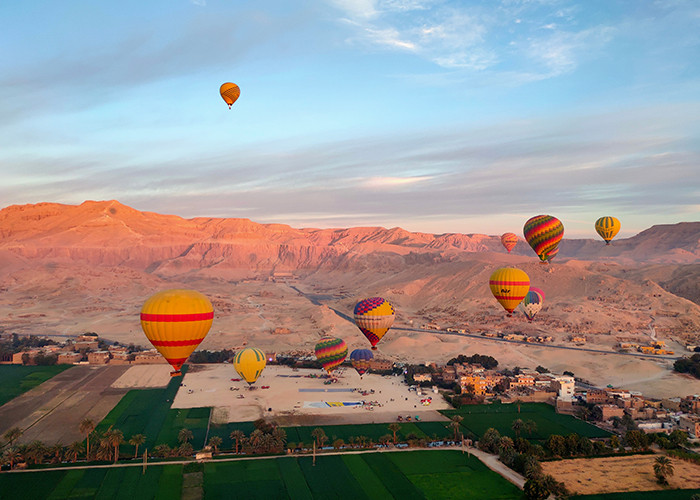
    Soar above the city and marvel at the panoramic views during a hot air balloon ride, a unique and breathtaking way to experience Luxor’s timeless landscapes.

    • The Natural Beauty and Outdoor Activities in Luxor

    Luxor West Bank landscapes

    Explore the stunning landscapes of Luxor’s West Bank, home to picturesque villages, lush fields, and breathtaking views of the Nile River.

    Hot air balloon rides

    Ascend to the skies and witness the golden glow of sunrise during a hot air balloon ride, offering a unique perspective of Luxor’s timeless beauty.

    • Day Trips and Nearby Excursions from Luxor

    Dendera Temple Complex

    Journey to the mesmerizing Dendera Temple Complex, dedicated to the goddess Hathor, and marvel at its beautifully preserved reliefs and astronomical ceilings.

    Abydos Temple

    Venture to the ancient Abydos and explore its remarkable temple dedicated to the god Osiris, known for its intricate carvings and spiritual significance.

    • Luxor’s cuisine and dining options

    Traditional Egyptian dishes

    Delight your taste buds with traditional Egyptian dishes, such as koshari, falafel, and aromatic grilled kebabs, served at local restaurants and street food stalls.

    Riverside dining experiences

    Enjoy a memorable dining experience at one of Luxor’s riverside restaurants, savoring delicious cuisine while soaking in the enchanting views of the Nile.

    Aswan City in Egypt

    Located downstream from Luxor, Aswan is a vibrant city renowned for its charming Nubian culture and remarkable ancient monuments. This ancient trade hub has been an important center of commerce and cultural exchange for thousands of years. Aswan is also home to two of Egypt’s most iconic landmarks, the Philae Temple and the Abu Simbel Temples, which testify to the ingenuity and artistry of ancient Egyptian civilization.

    • Historical Background

    Ancient trade hub

    Aswan’s strategic location made it a thriving trade center, facilitating connections between Egypt and the African continent. Its bustling markets and bustling riverfront have witnessed the flow of goods and cultures throughout history.

    Philae Temple and Abu Simbel

    The Philae Temple, dedicated to the goddess Isis, and the Abu Simbel Temples, carved into the mountainside, exemplify the mastery of ancient Egyptian construction techniques and commemorate Pharaoh Ramses II’s reign.

    • Aswan’s attractions

    Aswan High Dam

    Witness the engineering marvel of the Aswan High Dam, a testament to modern Egypt’s ambition and its impact on the Nile River’s ecosystem.

    Philae Temple

    Visit the relocated Philae Temple, gracefully rising from the waters of Lake Nasser, and admire its intricate carvings and sanctuaries dedicated to ancient Egyptian deities.

    Elephantine Island

    Step on Elephantine Island, a serene oasis in the Nile, and explore its ancient ruins, including the remains of a temple dedicated to the god Khnum.

    Nubian Museum

    Immerse yourself in Nubian history and culture at the Nubian Museum, where fascinating artifacts and exhibits shed light on this unique heritage.

    • Nile River in Aswan

    Felucca rides

    Hop aboard a felucca and let the gentle breeze guide you along the Nile, offering panoramic views of Aswan’s picturesque shores and ancient landmarks.

    Nile River cruises

    Set sail on a Nile River cruise from Aswan, embarking on a memorable journey that reveals the region’s historical treasures and captivating landscapes.

    • Aswan’s cultural experiences

    Nubian Village visits

    Explore the vibrant Nubian culture by visiting a traditional Nubian village, where warm hospitality, colorful houses, and authentic handicrafts welcome visitors.

    Aswan Crafts Center

    Discover the artistry and skill of local artisans at the Aswan Crafts Center, where you can witness the creation of beautiful handmade crafts and souvenirs.

    Traditional Nubian music and dance

    Immerse yourself in the rhythmic beats and graceful movements of traditional Nubian music and dance performed at various venues in Aswan.

    • Aswan’s natural beauty and Outdoor Activities

    Agilkia Island

    Embark on a boat ride to Agilkia Island, enchanted by its tranquil ambiance, beautiful gardens, and the serene Temple of Isis.

    Aswan Botanical Garden

    Stroll through the Aswan Botanical Garden, an island oasis where lush vegetation, vibrant flowers, and exotic plants create a haven of natural beauty.

    • Day trips from Aswan

    Abu Simbel Temples

    Embark on an awe-inspiring excursion to the Abu Simbel Temples, colossal structures carved into the mountainside commemorating Ramses II and Queen Nefertari.

    Kom Ombo Temple

    Visit the unique Kom Ombo Temple, dedicated to the crocodile-headed Sobek and the falcon-headed Horus, and admire its stunning double entrance and fascinating reliefs.

    • Aswan’s cuisine and dining options

    Nubian cuisine

    Indulge in the flavors of Nubian cuisine, characterized by hearty stews, spiced meats, and savory vegetarian dishes, often accompanied by traditional bread and aromatic teas.

    Floating restaurants

    Treat yourself to a unique dining experience in a floating restaurant, where you can relish delectable Egyptian and international dishes while enjoying the tranquil views of the Nile River.

    In conclusion, Luxor and Aswan are a testament to Egypt’s enduring legacy, offering a captivating blend of history, culture, natural beauty, and unforgettable experiences. From the grand temples and ancient tombs to the tranquil Nile River cruises and vibrant local markets, these cities beckon travelers to journey through time. By exploring Luxor and Aswan, you will unlock the treasures of Egypt, gaining a deeper appreciation for its rich heritage and creating memories that will last a lifetime. Embrace the allure of Luxor and Aswan, where the wonders of ancient Egypt await at every turn.

    You Might Be Interested In These Related Articles:
  • Luxor City Egypt: Unveiling the Ancient Wonders and Timeless Beauty

    Luxor City Egypt: Unveiling the Ancient Wonders and Timeless Beauty

    Luxor City Egypt, is a destination that encapsulates the essence of ancient civilization and captivates the hearts of visitors worldwide. Situated along the banks of the majestic Nile River, Luxor boasts a rich historical heritage, making it a treasure trove of archaeological wonders and a testament to the grandeur of Ancient Egypt. With its temples, tombs, and vibrant cultural life, Luxor has become a mecca for tourists seeking to immerse themselves in the mystique and grandeur of this ancient land.

    General Information about Luxor

    Nestled in Upper Egypt, Luxor is a city that served as the ancient capital of Thebes, the most powerful city in Ancient Egypt. It is renowned for its stunning collection of temples, tombs, and monuments that speak volumes about the greatness of the pharaohs who once ruled these lands. Today, Luxor is a living museum, inviting visitors to step back in time and discover the secrets of the past.

    Historical Significance of Luxor

    Luxor City Egypt holds immense historical significance as it was once the capital of Ancient Egypt during the period of the New Kingdom. The city flourished as the civilization’s political, religious, and cultural hub, attracting artisans, priests, and scholars from all corners of the kingdom. It was a center of monumental construction, with magnificent temples dedicated to the gods and grand royal tombs that housed the remains of pharaohs.

    Luxor’s importance as a tourist destination cannot be overstated. It offers a unique opportunity for travelers to witness the remnants of a glorious civilization that shaped history. The city’s archaeological sites and vibrant local culture provide a truly immersive experience that leaves visitors awe-inspired and longing for more.

    Historical Background

    Ancient Thebes and Its Significance

    In antiquity, Luxor city Egypt was known as Thebes, a name that resonates with grandeur and power. Thebes was the religious and political capital of Egypt, dedicated to the worship of Amun-Ra, the king of the gods. The city stood as a symbol of the pharaoh’s divine authority and was believed to be the gateway between the mortal world and the realm of the gods.

    Luxor as the Capital of Ancient Egypt

    Luxor’s rise to prominence as the capital of Ancient Egypt occurred during the New Kingdom (1550-1070 BCE). The pharaohs of this era undertook ambitious construction projects, erecting awe-inspiring temples and tombs to honor their gods and ensure their eternal glory. Luxor became the epicenter of power and wealth, attracting nobles, priests, and skilled craftsmen.

    Tourism in Luxor City Egypt

    Luxor City Egypt is a dream destination for history enthusiasts, archaeology buffs, and those seeking a deep connection with the past. Its unparalleled collection of temples, tombs, and monuments, coupled with the warm hospitality of the locals, creates an enchanting experience for visitors. Luxor offers a unique opportunity to explore ancient wonders while immersing oneself in the vibrant cultural fabric of Egypt.

    Temples and Monuments in Luxor and Major Attractions

    1. Karnak Temple Complex: The Karnak Temple Complex stands as the largest religious site in Egypt and one of the most impressive temple complexes in the world. It spans over 100 hectares and took centuries to complete. Karnak is a vast ensemble of sanctuaries, pylons, obelisks, and halls dedicated to various gods, with the Great Hypostyle Hall being a true architectural marvel.

    2. Luxor Temple: Situated on the east bank of the Nile, Luxor Temple is a testament to the grandeur of Ancient Egyptian architecture. Dedicated to the Theban Triad, consisting of Amun, Mut, and Khonsu, the temple features colossal statues, stunning reliefs, and an imposing entrance adorned with the iconic Avenue of Sphinxes.

    3. The Valley of the Kings: Located on the west bank of the Nile, it served as the burial ground for pharaohs and nobles during the New Kingdom. This necropolis is home to over 60 tombs, including the famous tomb of Tutankhamun. Visitors can explore the intricately decorated chambers and marvel at the exquisite funerary art.

    4. Valley of the Queens: Adjacent to the Valley of the Kings, the Valley of the Queens is the final resting place of the queens, princes, and high-ranking officials of Ancient Egypt. This serene valley showcases beautifully decorated tombs, such as the tomb of Queen Nefertari, renowned for its vibrant wall paintings.

    5. Mortuary Temple of Hatshepsut: Rising dramatically from the desert cliffs, the Mortuary Temple of Hatshepsut is a masterpiece of ancient architecture. This temple was dedicated to the female pharaoh Hatshepsut and blended harmoniously with the natural landscape. Its terraces, colonnades, and intricate reliefs tell the story of a powerful and visionary ruler.

    6. Colossi of Memnon: Guarding the entrance to the Theban Necropolis, the Colossi of Memnon are two imposing statues of the pharaoh Amenhotep III. These colossal statues once stood before a vast mortuary temple but are now the remnants of a bygone era, inspiring awe with their sheer size and timeless presence.

    7. Nile River Cruises and Felucca Rides: A journey along the Nile River is necessary when visiting Luxor City. Nile River cruises offer a tranquil and picturesque way to explore the region, with opportunities to visit temples, enjoy scenic views, and experience the rhythmic flow of life along the river. For a more authentic and traditional experience, felucca rides provide a glimpse into the traditional mode of transportation that has been used for centuries.

    Practical Information for Visitors

    Dining and Cuisine in Luxor Egypt

    Luxor’s culinary scene tantalizes taste buds with a diverse range of flavors. From traditional Egyptian dishes to international cuisine, there is something to satisfy every palate. Visitors can savor local delicacies at traditional eateries or indulge in fine dining experiences at upscale restaurants.

    Safety Tips and Cultural Considerations

    While Luxor City Egypt is generally a safe destination for tourists, it is always advisable to take standard safety precautions. Respect for local customs, traditions, and dress codes is important when visiting religious sites and interacting with the local community.

    Modern Luxor

    Geographical Location and Climate

    Luxor City Egypt is strategically located in southern Egypt, making it easily accessible for travelers. Its position on the east bank of the Nile River provides a picturesque backdrop and stunning views. The city enjoys a desert climate characterized by scorching summers and mild winters, making it an appealing destination year-round.

    Economy and Industries

    Tourism is the backbone of Luxor’s economy, driving employment and supporting a range of industries. The city’s vibrant marketplaces offer a glimpse into the local economy, with vendors selling traditional handicrafts, spices, and souvenirs. Agriculture, particularly the cultivation of sugarcane and corn, also plays a significant role in the region’s economy.

    Cultural and Social Life

    Modern Luxor embraces its cultural heritage, with festivals and events celebrating ancient traditions. Traditional music, dance performances, and folklore can be experienced in various venues across the city. The local cuisine, influenced by the flavors of Egypt, tantalizes taste buds with dishes such as Koshari, Ta’meya (Egyptian Falafel), and basbousa (a sweet semolina cake).

    Luxor City Egypt stands as a testament to the greatness of Ancient Egypt and invites visitors to embark on an unforgettable journey through time. Its temples, tombs, and monuments reveal the grandeur of a civilization long past. At the same time, it’s vibrant culture and warm hospitality provide a glimpse into the modern life of this captivating city. Luxor’s enduring legacy continues to inspire awe and captivate the imaginations of those who venture to experience its wonders firsthand. Embark on a journey to Luxor and immerse yourself in the timeless beauty and rich history that awaits in this extraordinary destination.

    Related Articles You Might Find Interesting:

  • Aswan City Egypt: Discover the Timeless Beauty and Warm Hospitality

    Aswan City Egypt: Discover the Timeless Beauty and Warm Hospitality

    Welcome to Aswan City, Egypt, a captivating destination steeped in history, culture, and natural beauty. Situated along the majestic Nile River, Aswan City boasts a rich heritage that has enchanted travelers for centuries. Whether an Egypt traveler seeking ancient wonders or a curious explorer yearning for an authentic cultural experience, Aswan City offers many attractions and activities that will leave you awe-inspired. This comprehensive guide will delve into the historical significance, local traditions, and top attractions that make Aswan City a must-visit destination for Egypt travelers.

    Nestled on the eastern bank of the Nile River, Aswan City holds immense historical and cultural importance in Egypt. It was a gateway to Africa and a strategic location for trade and military expeditions. Aswan City also played a vital role in ancient Egypt’s architectural and engineering marvels, including constructing temples and monuments.

    One of the defining characteristics of Aswan City is its warm and inviting ambiance. The locals are renowned for their hospitality and friendly nature, making visitors feel at home. From the bustling markets to the tranquil riverside cafes, you’ll encounter smiling faces and open arms wherever you go.

    This guide is crafted specifically for Egypt travelers seeking an immersive experience in Aswan City. Whether you’re a history enthusiast, an architecture lover, or simply someone eager to explore a vibrant culture, this guide will provide invaluable insights and recommendations to make the most of your visit.

    The Historical Background and cultural significance

    To truly appreciate Aswan City, it’s essential to delve into its rich historical background. Aswan was a vital trade center, particularly in gold, spices, and exotic materials. Its strategic location made it a melting pot of cultures and civilizations, resulting in a unique blend of traditions and customs that are still celebrated today.

    The local Traditions and Customs

    Aswan City is home to a diverse population with a significant Nubian influence. The Nubian people have a vibrant culture characterized by colorful clothing, lively music, and traditional dances. Exploring Aswan City immerses visitors in these local customs, offering a glimpse into a world shaped by centuries of tradition.

    Top Attractions in Aswan City and Things to Do

    1. Philae Temple

    Undoubtedly one of Aswan City’s most iconic attractions, the Philae Temple is a testament to ancient Egypt’s architectural prowess and religious significance. The temple complex on Philae Island is dedicated to the goddess Isis and boasts intricate carvings, stunning colonnades, and picturesque courtyards. Exploring this historical gem will transport you back in time and leave you in awe of its beauty and grandeur.

    2. Kom Ombo & Edfu Temples

    In addition to the Philae Temple, Aswan City is home to two other remarkable temples: the Kom Ombo and Edfu Temples. The Kom Ombo Temple is a unique double temple dedicated to Sobek, the crocodile god, and Horus, the falcon-headed god. It’s symmetrical design and intricate reliefs make it a true architectural marvel. The Edfu Temple, dedicated to the falcon god Horus, is one of the best-preserved ancient Egyptian temples, showcasing exceptional hieroglyphics and colossal statues.

    3. Aswan High Dam

    The Aswan High Dam, an engineering marvel, symbolizes modernization and progress in Egypt. Built in the 1960s, the dam serves multiple purposes, including flood control, hydroelectric power generation, and irrigation. Its construction profoundly impacted the surrounding landscape, forming the massive Lake Nasser. Visit the dam’s visitor center to learn about its history, construction techniques, and the benefits it brings to the region. Don’t miss the exhibits that showcase the cultural heritage of the Nile River and its significance to Egyptian civilization. Additionally, take advantage of boat trips on Lake Nasser, offering breathtaking dam views and ample opportunities for stunning photographs.

    4. Abu Simbel Temple

    Venture south of Aswan City to discover the awe-inspiring Abu Simbel Temple, a UNESCO World Heritage Site. Carved out of a sandstone cliff, this temple complex is dedicated to Pharaoh Ramesses II and his queen, Nefertari. Marvel at the colossal statues guarding the entrance and be mesmerized by the intricate hieroglyphics and bas-reliefs that depict ancient Egyptian mythology and historical events. The best time to visit Abu Simbel is sunrise when the temple’s interior is illuminated by a natural phenomenon that aligns with the sun’s rays twice a year. These events, known as the Sun Festival, occur on February 22nd (Ramesses II’s birthday) and October 22nd (the anniversary of his coronation), attracting visitors worldwide to witness this extraordinary spectacle.

    5. Unfinished Obelisk

    Uncover the secrets of ancient Egyptian craftsmanship at the Unfinished Obelisk, a great archaeological site. This massive obelisk in a granite quarry was abandoned during its construction due to a structural flaw. Standing over 42 meters tall, it provides a remarkable insight into the techniques used to create these monumental structures. Explore the quarry and learn about the ancient quarrying methods employed by the skilled craftsmen. Gain a deeper understanding of the obelisk’s historical context and the significance of these towering monuments in ancient Egyptian culture. Practical information, such as the best time to visit and entry requirements, can be obtained from the local authorities or tourism offices in Aswan City.

    6. Traditional Nubian Village

    Visiting a traditional Nubian village is a must to immerse yourself in the vibrant Nubian culture truly. Experience the warm hospitality of the locals, savor traditional cuisine, and enjoy the rhythmic beats of Nubian music. Admire the vibrant colors adorning the village houses and engage in conversations with the friendly villagers, gaining a deeper understanding of their way of life.

    7. Take a Felucca Ride on the Nile

    Immerse yourself in the serene beauty of the Nile River by embarking on a felucca ride. Drift along the gentle currents and let the tranquil atmosphere envelop you. Aswan City’s location on the Nile offers a unique opportunity to experience the river’s timeless allure. Gaze upon the picturesque landscapes, watch the golden sunsets paint the sky, and feel the cool breeze caress your face as you leisurely sail through the heart of Egypt.

    The best time of day for a felucca ride depends on your preferences and the experience you seek. For a peaceful and atmospheric journey, consider an early morning ride when the river is calm, and the air is crisp. Sunrise is particularly magical as you witness the golden hues reflecting on the water. Alternatively, a sunset-felucca ride offers breathtaking views as the sky transforms into a canvas of vibrant colors. Choose the time that resonates with you and prepare to be captivated by the beauty of the Nile.

    8. Attend a Nubian Music and Dance Performance

    Immerse yourself in Nubian music and dance’s vibrant beats and infectious rhythms. Nubian culture is known for its lively and joyful expressions; their music and dance reflect this exuberance. The energetic drumming, melodic tunes, and intricate dance movements will transport you to a world of celebration and cultural richness.

    Practical Tips for an Unforgettable Aswan City Experience

    Best time to visit and climate considerations

    Aswan City enjoys a hot desert climate with scorching summers and mild winters. The best time to visit is during the cooler months, from November to February, when temperatures are more comfortable for exploration. Be sure to pack sunscreen, a hat, and lightweight, breathable clothing to protect yourself from the sun’s rays.

    Safety tips and local customs to be aware of

    While Aswan City is generally safe, taking basic precautions and being mindful of your surroundings is always advisable. Keep your belongings secure and be cautious when engaging with strangers. Respect the local customs and dress modestly, especially when visiting religious sites. Familiarize yourself with the local traditions and customs to ensure a respectful and harmonious experience during your stay.

    Aswan City, Egypt, is a treasure trove of historical wonders, cultural riches, and warm hospitality. From exploring ancient temples and witnessing engineering marvels to immersing yourself in vibrant traditions and enjoying scenic boat rides, Aswan City offers an unforgettable journey for Egypt travelers. Let the timeless beauty of this enchanting city captivate your heart as you create cherished memories that will last a lifetime. Pack your bags, embark on an adventure, and let Aswan City unveil its magic before your eyes.

    Related Articles You Might Find Interesting:

Order via WhatsApp