Author: GEM Tours

  • Unraveling the Enchanting Tapestry of Egypt Customs and Traditions: The Egyptian Cultural Heritage

    Unraveling the Enchanting Tapestry of Egypt Customs and Traditions: The Egyptian Cultural Heritage

    Egypt customs and traditions are a rich cultural heritage that dates back thousands of years. It is the threads that weave together the vibrant tapestry of Egyptian society. We warmly welcome all Egypt travelers to explore and appreciate the significance of these age-old practices. This comprehensive guide aims to shed light on Egypt’s customs and traditions, emphasizing their importance in shaping the nation’s identity and offering insights for respectful engagement.

    Understanding Egypt Customs and Traditions

    To truly understand Egypt’s customs and traditions, one must grasp the fundamental meanings behind these practices. Customs are the established behaviors and rituals passed down through generations, while rules encompass the cultural beliefs and values that bind the Egyptian people together.
    Egypt’s customs play a pivotal role in preserving its ancient heritage and cultural identity. Each ritual, celebration, and gesture holds a significance that echoes the nation’s historical narrative.
    As Egypt travelers, it is essential to approach these customs with an open mind and heart. By embracing local businesses, we foster cultural understanding and mutual respect, which can enrich our travel experiences.

    What are the Customs and Traditions of Egypt?

    Eid al-Fitr Festivals in Egypt.

    1. Weddings and Marriage Traditions

    Before the wedding festivities, Egyptian customs include traditional rituals such as the “Henna Night,” where the bride’s hands are adorned with intricate henna designs, symbolizing joy and good luck.
    Egyptian weddings are joyous affairs, blending modern and traditional elements. Couples exchange vows amidst colorful decorations and partake in celebratory feasts.
    After the wedding, customs like the “Zaffa” procession, featuring music and dance, accompany the newlyweds to their new home, symbolizing a joyous beginning.

    2. The Festivals and Celebrations

    Major Religious Festivals

    Egypt’s diverse religious landscape gives rise to numerous festivals, including Ramadan, Eid al-Fitr, and Coptic Christmas, celebrated with great zeal.

    National Celebrations and Their Significance

    National holidays, like Revolution Day and Sinai Liberation Day, commemorate historical events and evoke a sense of patriotism among Egyptians.

    Unique Cultural Festivals and Events

    Egypt’s cultural calendar is adorned with many festivals, such as the Abu Simbel Sun Festival, highlighting the nation’s ancient architectural marvels.

    3. Food and Dining Etiquette

    With its aromatic spices and flavors, Egyptian cuisine showcases a delightful fusion of Mediterranean and Middle Eastern influences. When dining in Egypt, observe customs like eating with your right hand and accepting second helpings as a sign of appreciation. Food brings people together in Egypt, and social gatherings often revolve around sharing delicious meals with family and friends.

    4. Social Etiquette and Gestures

    A friendly greeting is the cornerstone of Egyptian social interactions. Learn common Arabic phrases and gestures like handshakes to foster positive connections. Egyptians value personal space, and specific body language cues might have different meanings. Being aware of these nuances promotes smoother interactions. Politeness and respect are highly regarded in Egyptian culture. Learn about social norms to avoid unintended cultural misunderstandings.

    Egyptian Cultural Traditions
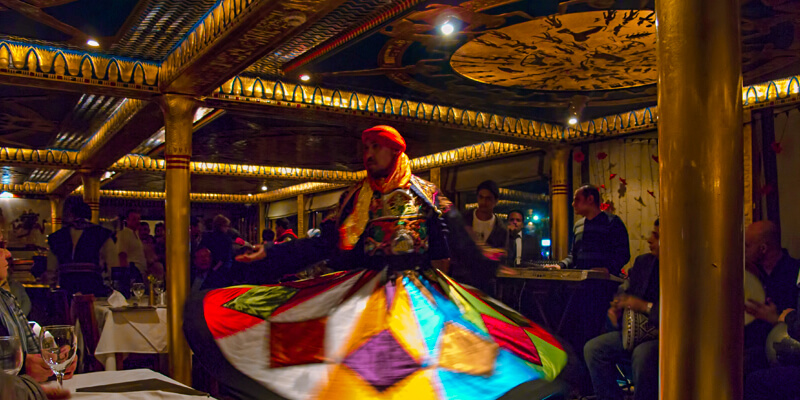
    egypt customs and traditions, customs and traditions of egypt, egypt traditions and customs, traditions and customs in egypt, Customs and etiquette in Egypt, Egyptian cultural traditions, Egyptian customs and traditions
    Tannoura Show in a Nile Cruise.

    1. Art and Craftsmanship

    Egyptian art dates back to antiquity and has left an indelible mark on the world. Explore the significance of hieroglyphics, sculptures, and paintings. Art plays a significant role in Egypt’s customs and traditions, such as its connection to religious practices and storytelling.

    Egypt’s artisans continue ancient traditions, producing exquisite pottery, textiles, and intricate jewelry that reflect the nation’s artistic legacy.

    2. Music, Dance, and Folklore

    Traditional Musical Instruments and Genres

    With its unique instruments like the oud and tabla, Egyptian music is deeply intertwined with cultural expressions and celebrations.

    Folk Dances and Their Cultural Importance

    Vibrant folk dances like the “Saidi” and “Tanoura” showcase Egypt’s diverse heritage and regional variations.

    Folklore and Storytelling in Egyptian Culture

    Egyptian folklore and storytelling have preserved cultural knowledge and passed down traditional tales through generations.

    3. Traditional Clothing and Fashion

    Traditional Egyptian clothing, like the “galabeya” and “abaya,” reflects the country’s rich history and religious influences.
    Explore the significance of wearing traditional attire during weddings, religious ceremonies, and cultural festivals.
    Witness the evolution of Egyptian fashion, blending traditional elements with contemporary styles.

    Customs and Etiquette in Modern Egypt
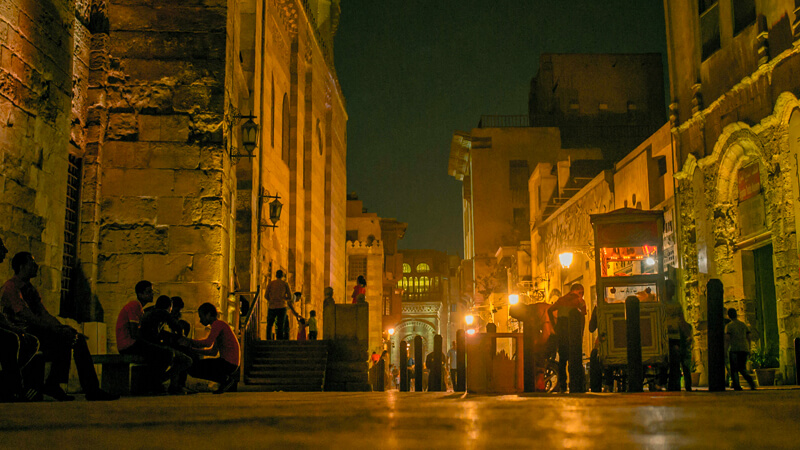
    egypt customs and traditions, customs and traditions of egypt, egypt traditions and customs, traditions and customs in egypt, Customs and etiquette in Egypt, Egyptian cultural traditions, Egyptian customs and traditions
    Al Muizz Street in Cairo at Night.

    Etiquette for Visiting Homes and Public Spaces

    When visiting an Egyptian home, it is customary to remove your shoes before entering as a sign of respect for the host’s space and cleanliness. Some hosts may provide slippers for guests to wear inside.
    Punctuality is appreciated in formal settings, but arriving slightly later than the agreed-upon time in more casual situations is common in Egyptian culture.
    It’s common for Egyptians to offer refreshments such as tea, coffee, or juice to guests upon arrival. Accepting such offers shows appreciation for their hospitality.
    During Ramadan (Islamic fasting month), if you are invited to an Iftar (breaking of fast meal) at someone’s home, bringing a small gift or dessert to share is polite.
    In public spaces, Egyptians generally respect personal space but may stand closer during conversations compared to some Western cultures.

    Proper Behavior During Conversations and Discussions

    Egyptians are generally warm and hospitable in their communication style. It’s common to exchange pleasantries and ask about each other’s well-being before diving into the main topic of conversation.
    Maintain a friendly and respectful tone during discussions, as raising one’s voice or displaying aggressive behavior can be considered impolite.
    Direct eye contact is generally considered a sign of attentiveness and respect during conversations.
    Interrupting someone while they are speaking is seen as impolite. Allow others to finish their thoughts before adding your input.
    Egyptians often use hand gestures and body language to emphasize points during discussions. This is a standard part of their expressive communication style.

    Being Mindful of Cultural Sensitivities

    Religion is essential to Egyptian culture, with Islam being the dominant religion. It is crucial to show respect for Islamic traditions and beliefs. For instance, during the holy month of Ramadan, it’s considerate to refrain from eating, drinking, or smoking in public during fasting hours.
    Dress modestly, especially when visiting religious sites or more conservative areas. Both men and women should cover their shoulders and avoid wearing revealing clothing.
    Avoid sensitive political topics or discussions about the Egyptian government, as this can be contentious.
    Homosexuality is generally not openly accepted in Egyptian society, so it’s essential to be sensitive and avoid discussing LGBT+ topics unless you know the person well and are sure they are comfortable with the conversation.

    Gift-Giving and Receiving

    Gift-giving in Egypt expresses goodwill and is cherished on various occasions. For weddings, consider elegant keepsakes or decorative items. During religious holidays, delightful treats and sweets are popular, while personal gifts are appropriate for birthdays or special milestones.
    Present gifts with both hands as a sign of respect and sincerity. Thoughtfully wrapped gifts convey the effort put into the gesture. The value of the estate lies not in its cost but in the sentiment behind it, making heartfelt offerings more cherished than lavish ones.
    When receiving a gift, accept it with both hands and express your gratitude warmly. Avoid opening the facility immediately, as it may be perceived as impolite. Instead, wait until the giver departs before unveiling the present.

    Tips for Travelers to Engage and Participate in Cultural Experiences
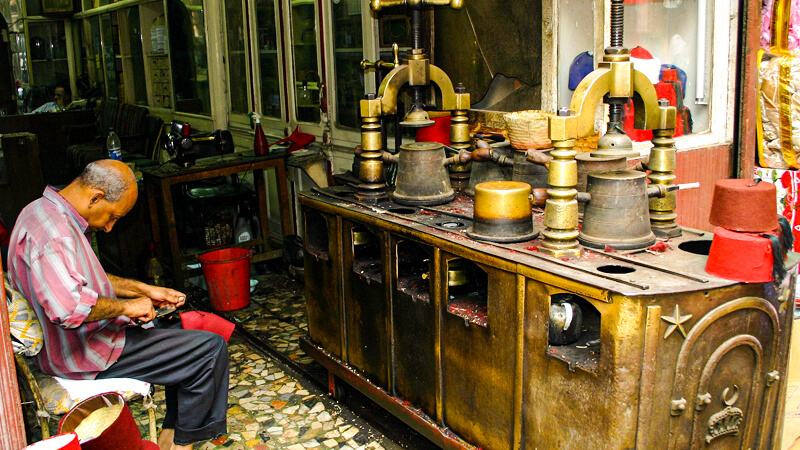
    egypt customs and traditions, customs and traditions of egypt, egypt traditions and customs, traditions and customs in egypt, Customs and etiquette in Egypt, Egyptian cultural traditions, Egyptian customs and traditions
    Egyptian Culture Tarboosh Maker.

    Cultural awareness and respect pave the way for authentic and immersive experiences. Understanding Egypt’s customs allows you to connect with locals on a deeper level, fostering friendships and treasured memories that endure beyond your journey.
    Participate in traditional activities like attending festivals, where you can revel in the beauty of Egyptian music, dance, and arts. Venture into local markets, savor the traditional Egyptian food and try your hand at Arabic phrases to break barriers and immerse yourself in the culture.
    You become an honorary participant in the nation’s cultural tapestry by embracing Egypt’s customs. Your openness and respect will be reciprocated, granting you unique insights into the heart and soul of Egypt, leaving you with memories that resonate long after you depart.

    Egypt’s customs and etiquette mirror the nation’s deep-rooted history and values, fostering a sense of unity and belonging among its people. Navigating social interactions with grace, exchanging heartfelt gifts, and embracing Egypt’s cultural tapestry enrich the traveler’s journey.
    As you embark on your Egyptian odyssey, embrace the country’s customs and traditions enthusiastically and respectfully. By immersing yourself in the rich heritage of this captivating land, you will forge lasting connections and create enduring memories.
    With admiration for the enchanting country that is Egypt, we extend our warmest wishes to all travelers. May your voyage be a tapestry woven with cultural richness, genuine connections, and unforgettable experiences. GEM Egypt Tours offers the best vacation packages to Egypt at the best prices to provide you with safe travels, and may you find profound joy in embracing Egypt’s timeless customs.

  • The Hidden Secrets of Ancient Egypt: Unveiling the Mysteries of a Fascinating Civilization

    The Hidden Secrets of Ancient Egypt: Unveiling the Mysteries of a Fascinating Civilization

    The secrets of ancient Egypt, with its rich historical significance, continue to captivate the imagination of travelers worldwide. The land of pharaohs, pyramids, and ancient mysteries holds an allure that transcends time. In this article, we embark on a journey to uncover Egypt’s ancient secrets, delving into its intriguing past and shedding light on its enigmatic wonders. Ancient Egypt stands as one of the most remarkable civilizations in human history. Flourishing along the Nile River over 4,000 years ago left an indelible mark on the world through its advancements in architecture, art, religion, and governance. Every aspect of ancient Egypt tells a tale of greatness and charisma, from the mighty pharaohs to awe-inspiring monuments.

    There’s something undeniably captivating about walking in the footsteps of ancient pharaohs and immersing oneself in the remnants of a bygone era. Travelers are drawn to Egypt’s ancient secrets because they offer a glimpse into a world shrouded in mystery and grandeur. Exploring the land of the Nile allows one to witness the marvels of human ingenuity and unravel the hidden secrets of ancient Egypt that have perplexed historians for centuries. In our quest to unlock the hidden secrets of ancient Egypt, we will explore various facets of this ancient civilization. From the awe-inspiring pyramids to the intriguing rituals and mysterious legends, we will delve deep into the hidden recesses of this remarkable land, shedding light on its mysteries and unraveling the enigmas that continue to bewilder historians and archaeologists.

    Uncovering the Hidden Secrets of Ancient Egypt

    1. The Secrets of the Pyramids

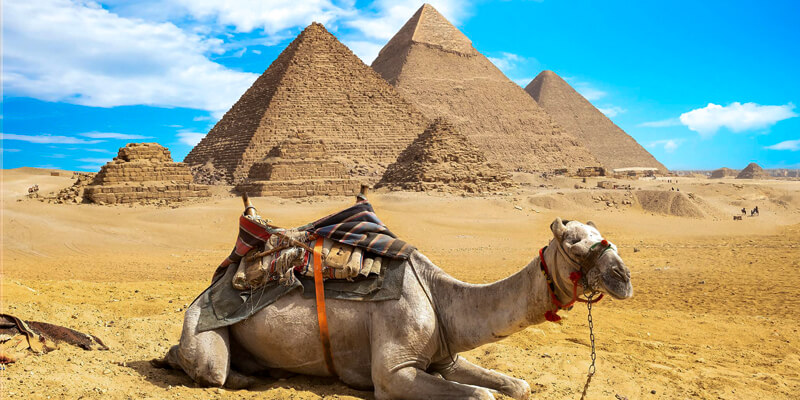
    A Camel at the Great Pyramids of Giza.

    The Construction Mysteries of the Great Pyramids

    The Great Pyramids of Giza stand as a testament to the extraordinary engineering skills of the ancient Egyptians. We will delve into the remarkable construction techniques employed in building these magnificent structures, examining the precision and ingenuity that allowed these monumental tombs to withstand the test of time.

    Theories and Controversies Surrounding Pyramid Building

    Throughout history, numerous theories and controversies have arisen regarding the construction of the pyramids. We will examine these theories, ranging from advanced ancient technologies to extraterrestrial influences, and discuss their validity in light of modern archaeological knowledge.

    The symbolism of the Pyramid Structures

    Beyond their monumental presence, the pyramids hold deep symbolism within ancient Egyptian culture. We will explore these majestic structures’ spiritual and cultural significance, understanding their role in pharaonic rituals, religious beliefs, and the afterlife.

    2. Secrets of the Pharaohs

    Ancient Egypt secrets, Uncovering secrets of ancient Egypt, Ancient Egyptian mysteries, Secrets of the pyramids, Secrets of the pharaohs, Ancient Egypt historical secrets, Revealing Egypt's hidden secrets, Mysterious ancient Egyptian rituals, Hidden mysteries of Egypt, Egypt's ancient secrets, Hidden secrets of Egypt, Secrets of Egyptian pharaohs, Egypt's hidden treasures, Secrets of Ancient Egyptian, Mysteries of ancient Egypt, Secrets of Egyptian tombs
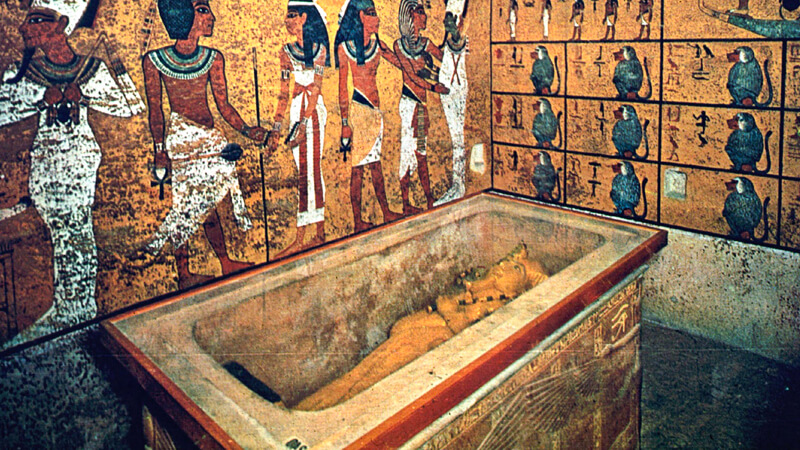
    The Tomb of the Pharaoh Tutankhamun.
    • The Powerful Ancient Egyptian Rulers

    The ancient Egyptian pharaohs were renowned for their authority and status. They held absolute power and were considered divine beings by their subjects. Pharaohs commanded vast armies, governed the kingdom, and were responsible for maintaining Ma’at (cosmic order). They were believed to be the bridge between the mortal realm and the gods, and their rule was seen as crucial for the prosperity of Egypt.

    • Tutankhamun’s Tomb and the Treasures Within

    Tutankhamun, also known as the “Boy King,” ascended to the throne young and ruled during the 14th century BCE. His tomb, discovered by Howard Carter in 1922, remains one of history’s most significant archaeological finds. A stunning array of treasures and artifacts were uncovered within the tomb’s chambers, including the iconic gold mask that adorned Tutankhamun’s mummy. The tomb provided valuable insights into the ancient Egyptians’ funerary practices and material wealth.

    • Pharaohs’ Rituals and Religious Beliefs

    Religion was central to ancient Egyptian society, and the pharaohs held key religious responsibilities. They were seen as intermediaries between the gods and the people, tasked with maintaining divine favor and cosmic balance. Pharaohs performed various rituals and ceremonies, including offerings to the gods, temple construction, and festival participation. They were also responsible for ensuring the construction of grand mortuary complexes, such as the pyramids, to secure their passage into the afterlife.

    • The Enigma of Cleopatra’s Reign

    Cleopatra VII, the last pharaoh of Egypt, reigned during a tumultuous period when Egypt was under Roman influence. Cleopatra’s rule was marked by political intrigue, alliances, and her relationships with influential Roman leaders, including Julius Caesar and Mark Antony. Her reign continues to captivate historians and scholars due to the enigmatic nature of her character and the influence she wielded. Cleopatra’s story is intertwined with romance, power struggles, and the eventual demise of the Ptolemaic dynasty, making her one of the most iconic figures of ancient history.

    3. Ancient Egyptian Mysteries and Rituals

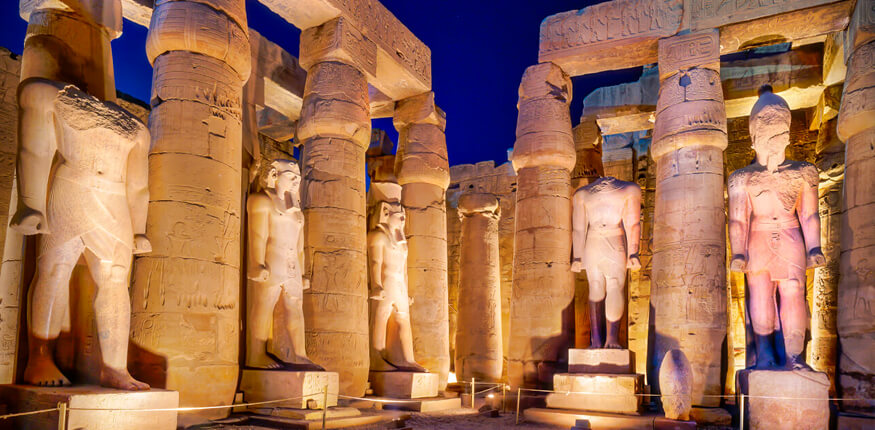
    The Luxor Temple at Night.
    • Unveiling the Rituals and Ceremonies of Ancient Egypt

    Ancient Egyptian civilization was rich in rituals and ceremonies that played a vital role in their society’s religious, social, and political aspects. These rituals encompassed various activities, such as offerings to deities, processions, temple rituals, and festivals. The ancient Egyptians believed correctly performing these rituals was crucial for maintaining harmony between the mortal and divine realms.

    • The Role of Priests and Priestesses in Ancient Egyptian Society

    Priests and priestesses held esteemed positions in ancient Egyptian society and were responsible for temple rituals and ceremonies. They acted as intermediaries between the people and the gods, serving as the spiritual guides of their communities. Priests and priestesses were well-versed in religious texts, performed purification rites, and oversaw temple operations. Their roles varied; some served specific deities, while others held higher positions in the spiritual hierarchy.

    • Understanding Mummification and the Afterlife Beliefs

    One of the most fascinating aspects of ancient Egyptian culture is their intricate mummification process. Egyptians believed in an afterlife and believed that preserving the body was essential for the soul’s journey into eternity. Mummification involved elaborate rituals, including removing organs, preserving the body with natron, and wrapping it in linen bandages. The Book of the Dead, a collection of spells and prayers, accompanied the deceased to guide them through the afterlife.

    • Sacred Sites and Mysterious Rituals

    Ancient Egypt was home to numerous sacred sites with great religious and spiritual significance. These sites included temples, such as the Karnak Temple Complex and the Temple of Luxor, where rituals and ceremonies occurred. The exact details of these rituals remain mysterious, as many aspects were kept secret and known only to the initiated priests. The sacred sites were also associated with celestial events and astronomical alignments, adding another layer of mystique to their rituals.

    4. Hidden Mysteries of Egypt

    Ancient Egypt secrets, Uncovering secrets of ancient Egypt, Ancient Egyptian mysteries, Secrets of the pyramids, Secrets of the pharaohs, Ancient Egypt historical secrets, Revealing Egypt's hidden secrets, Mysterious ancient Egyptian rituals, Hidden mysteries of Egypt, Egypt's ancient secrets, Hidden secrets of Egypt, Secrets of Egyptian pharaohs, Egypt's hidden treasures, Secrets of Ancient Egyptian, Mysteries of ancient Egypt, Secrets of Egyptian tombs
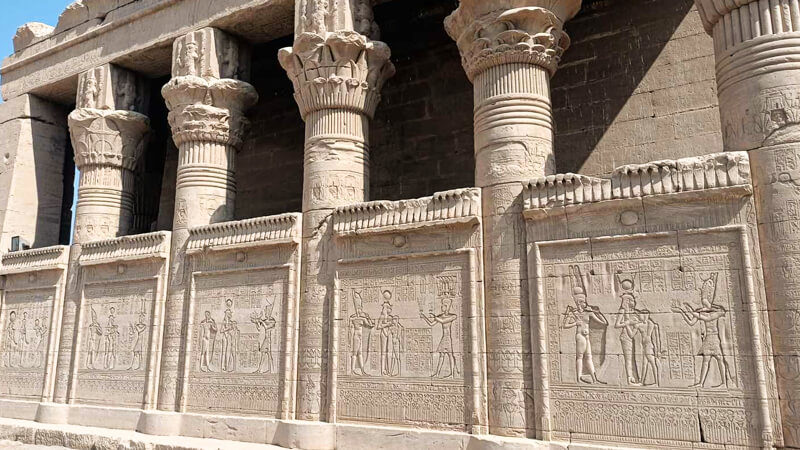
    The Temple of Dendera.
    • Exploring Lesser-Known Archaeological Sites and Discoveries

    While iconic sites like the Pyramids of Giza and the Valley of the Kings draw much attention, Egypt boasts many lesser-known archaeological sites and discoveries. These hidden gems provide valuable insights into ancient Egyptians’ daily lives, beliefs, and practices. Places like The Temple of Abydos, Dendera Temple Complex, and Saqqara offer remarkable attractions, tombs, and artifacts that shed light on different periods of Egyptian history, often revealing intriguing details that are less widely known.

    • Unsolved Mysteries and Legends of Ancient Egypt

    Ancient Egypt is steeped in mysteries and legends that puzzle researchers and historians. Examples include the construction techniques of the pyramids, the purpose of the Great Sphinx and its missing nose, the possible existence of hidden chambers within the pyramids, and the origin of the enigmatic Omm Sety, an Egyptologist who claimed to be the reincarnation of an ancient Egyptian priestess. These mysteries and legends spark debates and fuel ongoing research, keeping the allure of ancient Egypt alive.

    5. Egypt’s Hidden Treasures

    Ancient Egypt secrets, Uncovering secrets of ancient Egypt, Ancient Egyptian mysteries, Secrets of the pyramids, Secrets of the pharaohs, Ancient Egypt historical secrets, Revealing Egypt's hidden secrets, Mysterious ancient Egyptian rituals, Hidden mysteries of Egypt, Egypt's ancient secrets, Hidden secrets of Egypt, Secrets of Egyptian pharaohs, Egypt's hidden treasures, Secrets of Ancient Egyptian, Mysteries of ancient Egypt, Secrets of Egyptian tombs
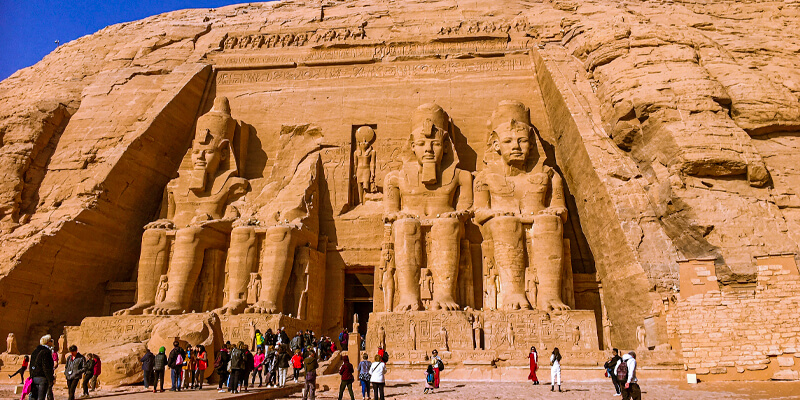
    Abu Simbel Temple.
    • Lesser-Known Ancient Egyptian Artifacts and Their Significance

    While iconic artifacts like the Rosetta Stone and the golden mask of Tutankhamun are widely known, Egypt is home to countless lesser-known treasures with great historical and cultural significance. These artifacts include intricate jewelry, beautifully crafted statues, delicate papyrus scrolls, and intricately decorated coffins. Each object provides valuable insights into ancient Egyptian art, craftsmanship, religious beliefs, and daily life.

    • Treasures Found in Tombs, Temples, and Museums

    Egypt’s tombs, temples, and museums are repositories of hidden treasures discovered over centuries of archaeological exploration. Tombs, such as those in the Valley of the Kings and the Valley of the Queens, have yielded stunning artifacts like funerary masks, canopic jars, and intricate wall paintings. Temples, such as the Temple of Karnak and the Temple of Abu Simbel, house magnificent statues, reliefs, and inscriptions depicting ancient Egyptian civilization’s grandeur. Museums in Egypt and worldwide showcase many treasures, allowing visitors to appreciate the richness and diversity of Egyptian heritage.

    Tips for Exploring the Secrets of Ancient Egypt

    Planning a Trip to Egypt

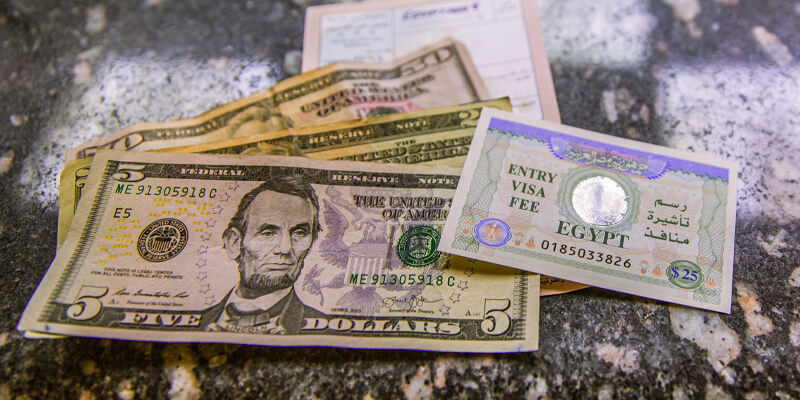
    The Egyptian Entry Visa.
    • Best Time to Visit Ancient Egyptian Sites

    The climate in Egypt can vary significantly throughout the year, so choosing the right time to visit ancient Egyptian sites is crucial. The best time to visit Egypt is during the cooler months, from November to February when temperatures are milder and more comfortable for exploring. Avoid the scorching heat of summer, especially from June to August, as it can be challenging to enjoy outdoor sites during the peak of the summer in Egypt.

    • Essential Travel Documents and Visa Requirements

    Before traveling to Egypt, ensure you have the necessary documents and the visa requirements. Most travelers will need a valid passport with at least six months of validity. Depending on your nationality, you may require a visa to enter Egypt. Check with your country’s Egyptian embassy or consulate for the most up-to-date information on visa requirements and obtain your visa in advance if needed.

    • Choosing the Right Tour or Travel Agency

    Choosing a suitable tour or travel agency can significantly enhance your experience when exploring ancient Egypt. Gem Egypt Tours is a reputable agency specializing in Egypt tours with a good customer satisfaction track record. You can book one of our vacation packages to Egypt with our hot deals and enjoy your trip to Egypt with our special offers!

    We invite you to embark on your journey to Egypt, to stand in awe before the pyramids, to explore the hidden chambers of tombs, and to witness the beauty of ancient temples. Immerse yourself in the magic of ancient Egypt, and let its secrets envelop you in a profound and unforgettable experience.

    Must-Visit Ancient Egyptian Sites

    1. The Great Sphinx and the Giza Plateau

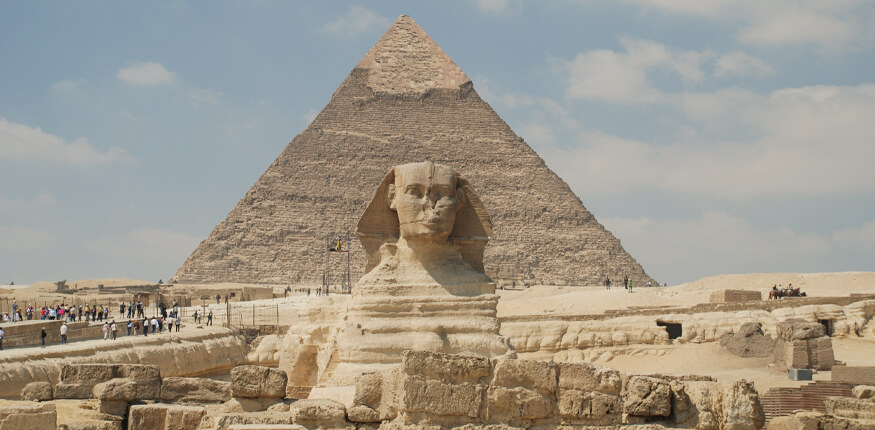
    The Great Sphinx.

    The Great Sphinx, an iconic symbol of ancient Egypt, stands proudly at the Giza Plateau near Cairo. This magnificent statue, with a human’s head and a lion’s body, is believed to represent the pharaoh Khafre. Visiting the Giza Plateau allows you to marvel at the Great Sphinx and explore the nearby pyramids, including the Great Pyramid of Giza, the Pyramid of Khafre, and the Pyramid of Menkaure. The Giza Plateau offers an awe-inspiring glimpse into the architectural achievements of the ancient Egyptians.

    2. Exploring the Valley of the Kings

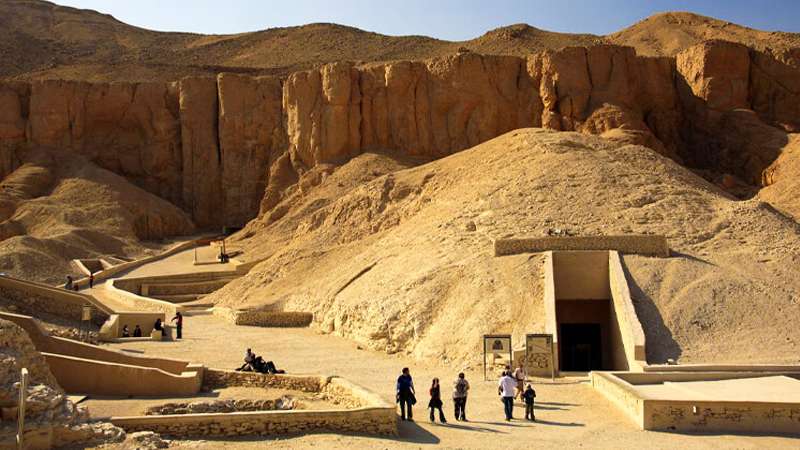
    The Valley of the Kings.

    Located on the west bank of the Nile near Luxor city, the Valley of the Kings is an archaeological treasure trove. This cemetery is home to the tombs of numerous pharaohs and nobles from the New Kingdom period, including the famous tomb of Tutankhamun. Exploring the Valley of the Kings allows you to witness the intricately decorated burial chambers, colorful wall paintings, and hieroglyphic inscriptions that depict ancient Egyptian beliefs about the afterlife.

    3. Luxor and the Temples of Karnak

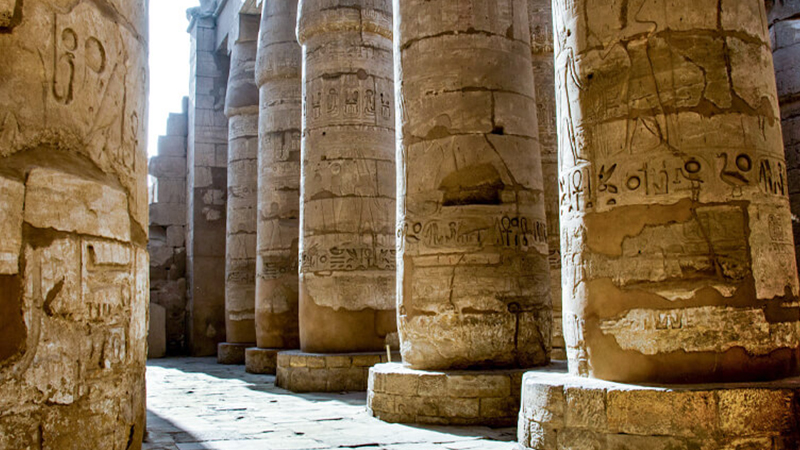
    The Pillars of the Karnak Temple.

    Luxor, often called the “world’s greatest open-air museum,” is filled with ancient wonders. The Temples of Karnak, dedicated to the worship of the god Amun, stand as a testament to the grandeur and scale of ancient Egyptian architecture. Exploring the vast temple complex allows you to admire the towering columns, intricate reliefs, and the iconic Hypostyle Hall. Luxor also boasts the Luxor Temple, a magnificent structure for religious ceremonies and processions.

    4. The Majestic Abu Simbel Temples

    Ancient Egypt secrets, Uncovering secrets of ancient Egypt, Ancient Egyptian mysteries, Secrets of the pyramids, Secrets of the pharaohs, Ancient Egypt historical secrets, Revealing Egypt's hidden secrets, Mysterious ancient Egyptian rituals, Hidden mysteries of Egypt, Egypt's ancient secrets, Hidden secrets of Egypt, Secrets of Egyptian pharaohs, Egypt's hidden treasures, Secrets of Ancient Egyptian, Mysteries of ancient Egypt, Secrets of Egyptian tombs
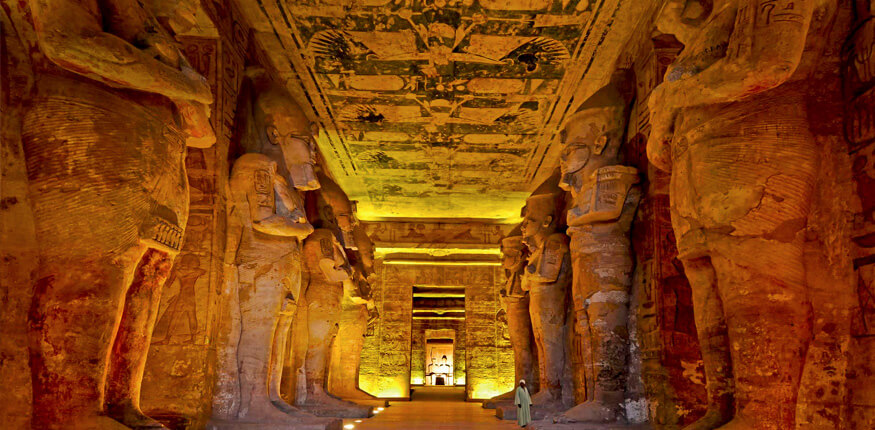
    The Temple of Queen Nefertari.

    Situated in southern Egypt, near Aswan city, the Abu Simbel temples are awe-inspiring structures carved into the mountainside. Pharaoh Ramesses II built these temples to showcase his power and intimidate potential invaders. The enormous temple is dedicated to Ramesses II himself, while the smaller temple is dedicated to his wife, Queen Nefertari. The Abu Simbel temples are architecturally impressive and famous for the sun illuminating the inner sanctum twice a year during the Sun Festival.

    Cultural Etiquette and Customs

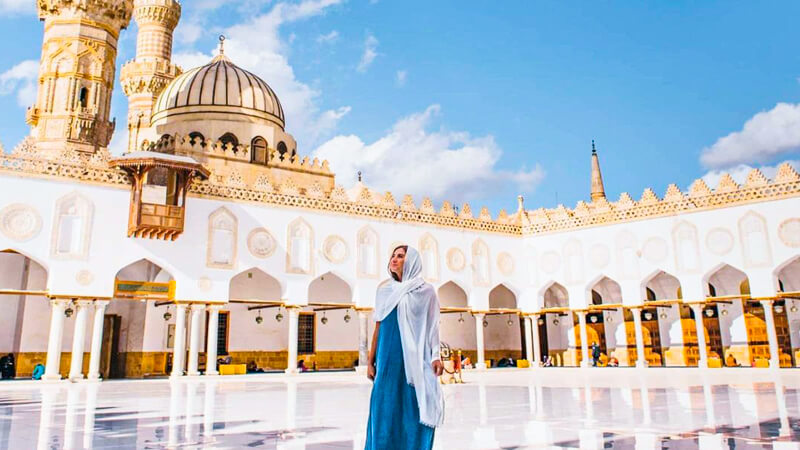
    A Woman Tourist at Al-Azhar Mosque.
    • Respecting Local Customs and Traditions

    When visiting Egypt, it’s essential to respect the local customs and traditions of the country. Egyptians are generally friendly and hospitable, and it’s customary to greet people with a warm “As-salaam alaykum” (peace be upon you) and respond with “Wa alaykum as-salam” (and ease be upon you). Respect local traditions, such as modesty in dress and conservative behavior, particularly in more rural or traditional areas.

    • Appropriate Clothing and Behavior in Religious Sites

    Egypt is home to numerous religious sites, such as mosques and Coptic Christian churches, which are significant for the local population. When visiting these places, dress modestly and appropriately, covering your shoulders, chest, and legs. Women may be required to cover their hair with a scarf in mosques. Maintain a respectful demeanor, refrain from loud conversations or disruptive behavior, and follow any instructions or guidelines provided by the religious authorities.

    • Tips for Interacting with Locals and Tour Guides

    Interacting with locals and tour guides can significantly enhance your experience in Egypt. Egyptians are known for their hospitality and welcoming nature. Engage in polite conversation, ask questions, and show genuine interest in their culture and history. It’s customary to address people with their title (such as “Mr.” or “Mrs.”) followed by their surname unless they indicate otherwise. Be aware of the local norms regarding personal space and avoid invasive questions or discussions on sensitive topics.

    Practical Tips for Exploring Ancient Egyptian Tombs

    Ancient Egypt secrets, Uncovering secrets of ancient Egypt, Ancient Egyptian mysteries, Secrets of the pyramids, Secrets of the pharaohs, Ancient Egypt historical secrets, Revealing Egypt's hidden secrets, Mysterious ancient Egyptian rituals, Hidden mysteries of Egypt, Egypt's ancient secrets, Hidden secrets of Egypt, Secrets of Egyptian pharaohs, Egypt's hidden treasures, Secrets of Ancient Egyptian, Mysteries of ancient Egypt, Secrets of Egyptian tombs
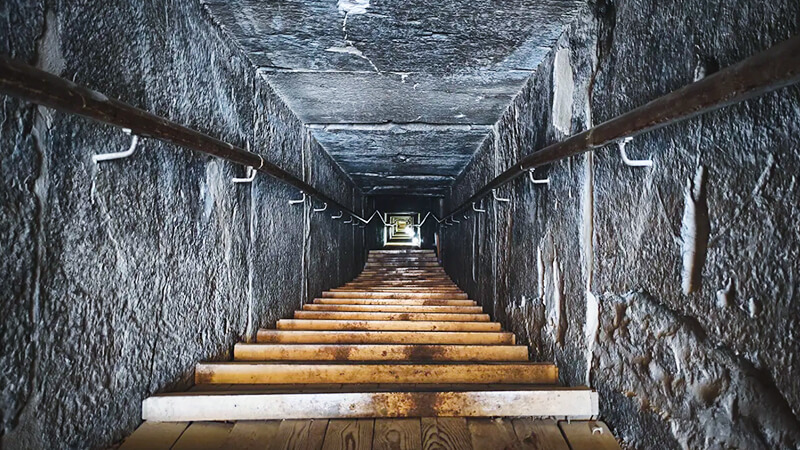
    A Narrow Passage Inside the Great Pyramid of Giza.
    • Understanding Tomb Hieroglyphs and Paintings

    When exploring ancient Egyptian tombs, it’s beneficial to have a basic understanding of hieroglyphs and the symbolic meanings behind the paintings. Hieroglyphs were the old Egyptian writing system, and they often conveyed religious beliefs, historical events, and the journey of the deceased in the afterlife. Educate yourself on shared symbols and motifs to appreciate the stories and messages depicted on the walls of the tombs.

    • Navigating the Narrow Passages and Chambers

    Many ancient Egyptian tombs feature narrow passages and chambers, and it’s essential to exercise caution while exploring these confined spaces. Wear comfortable and sturdy footwear to navigate uneven surfaces. Be mindful of low ceilings and watch your step to avoid tripping or accidentally damaging the ancient surfaces. Follow the guidance of guides or signage to ensure a safe and respectful exploration of the tombs.

    • Photography Guidelines and Preserving Historical Sites

    Photography is often permitted in ancient Egyptian tombs, but it’s essential to follow the guidelines set by the authorities. Flash photography is typically prohibited as it can cause damage to delicate and ancient pigments. Respect any restrictions regarding using tripods or selfie sticks to avoid accidental collisions or injury. Remember to be mindful and considerate of other visitors and the site’s historical significance. Preserving historical sites is of utmost importance. Refrain from touching or leaning on the walls, as the oils on our skin can contribute to deterioration over time. Avoid graffiti or leaving any markings. The tombs have survived for thousands of years, and we must ensure they are preserved for future generations.

    Throughout this extensive exploration of ancient Egypt’s secrets, we have scratched the surface of a civilization shrouded in mystery. From the pyramids to the pharaohs, from the rituals to the hidden treasures, we have unraveled the secrets that have fascinated travelers for centuries. Egypt’s ancient secrets have endured millennia, enchanting travelers with their allure. As you delve into the mysteries of this remarkable civilization, remember that the true essence lies not only in uncovering the secrets but also in the wonder and appreciation of the everlasting legacy that ancient Egypt has left behind.

  • Nile Cruise vs. Land Tour in Egypt: Which is the Best Way to Explore Egypt?

    Nile Cruise vs. Land Tour in Egypt: Which is the Best Way to Explore Egypt?

    When exploring the wonders of Egypt, choosing a suitable travel method can make all the difference. Whether you opt for a Nile Cruise vs Land Tour in Egypt, each offers unique experiences and opportunities to immerse yourself in this captivating country’s rich history and culture. In this article, we’ll delve into the comparisons between Nile cruises and land tours in Egypt, helping you make an informed decision that suits your preferences and travel style. Egypt, the land of ancient wonders and mystical allure, offers travelers many captivating experiences. When exploring this fascinating country, choosing the correct travel method is crucial to ensure an unforgettable journey.

    With its rich history, awe-inspiring monuments, and diverse landscapes, Egypt presents travelers with a unique dilemma—Nile Cruise or Land Tour. This decision is vital in shaping your overall experience and discovering this country’s hidden treasures. We will delve into the enchanting world of Nile Cruises and Land Tours, comparing their key aspects such as costs, itineraries, comfort, cultural immersion, and more. By the end, you’ll have the necessary insights to select the perfect option that aligns with your preferences.

    Exploring Egypt: Nile Cruise and Land Tour Options

    Nile Cruise vs. Land Tour in Egypt, Nile Cruise vs. Land-based Egypt Tours, Nile River Cruise vs. Land-based Tour, Nile Cruise vs. Land-based Tours, nile cruise vs land-based, Nile Cruise vs overLand, Nile Cruise vs Land tours, Nile Cruise vs Land travel, Nile cruise or land tour, Nile cruise vs. land tour, Nile Cruise or Land Tour in Egypt, Nile River cruise versus land tour
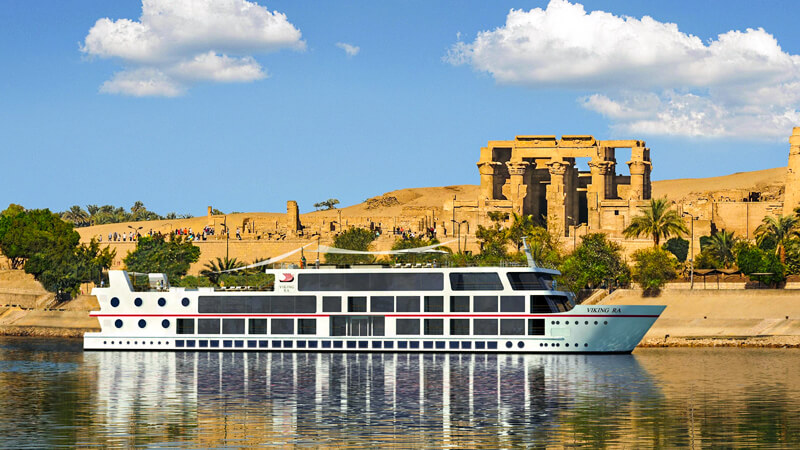
    A Nile Cruise Trip to the Temple of Kom Ombo.

    Overview of Nile Cruises

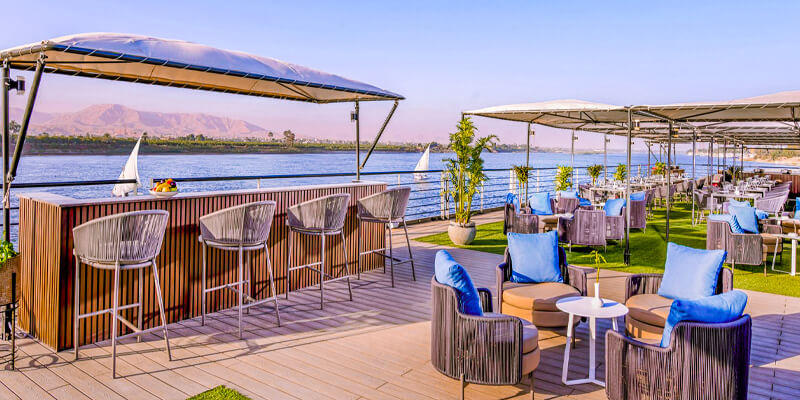
    Embarking on a Nile Cruise is like stepping into a time machine, where you’ll sail along the iconic Nile River, tracing the footsteps of pharaohs and witnessing stunning landscapes. Egypt Nile cruises offer a unique blend of relaxation, luxury, and exploration. Imagine gliding on a majestic river, surrounded by breathtaking panoramas and iconic ancient temples. Nile Cruises provide a hassle-free way to explore Egypt, offering a comfortable floating hotel experience with exceptional service and captivating onboard entertainment. Between Luxor and Aswan, explore the ancient wonders of the Valley of the Kings, Karnak Temple, Philae Temple, and the Abu Simbel temples, all while enjoying the serenity of the Nile.

    Overview of land tours in Egypt

    Land tours allow you to immerse yourself fully in the vibrant culture and rich history of Egypt, with the freedom to explore its cities, landmarks, and off-the-beaten-path treasures. Land tours in Egypt offer a deeper connection with the country’s diverse landscapes and bustling cities. You’ll be able to engage with locals, savor traditional Egyptian food, and delve into the country’s vibrant markets. Land tours provide the flexibility to customize your itinerary, allowing you to spend more time at specific attractions, interact with locals, and experience Egypt’s hidden gems. Discover the mysteries of the Great Pyramids of Giza, and the Great Sphinx, wander through the bustling streets of Cairo, explore the ancient temples of Luxor and Karnak, and dive into the vibrant culture of Alexandria.

    Nile Cruise vs Land Tour in Egypt

    Type of Amenities on a Nile Cruise in Egypt.

    1. Cost considerations

    Determining the costs of Nile cruises and land tours is crucial to match your budget and financial expectations. Nile cruises typically include accommodation, meals, guided tours, and entertainment in their package prices. Land tours may require separate bookings for lodging, meals, and transportation. While Nile Cruises offer a comprehensive package, land tours provide more flexibility in choosing accommodations and meals that fit your budget.

    2. Itinerary and Sightseeing

    Comparing the sightseeing experiences on Nile cruises and land tours is essential to ensure you don’t miss out on the iconic landmarks and attractions Egypt offers. Nile cruises provide a seamless journey, visiting the Nile’s temples, tombs, and historical sites. Land tours allow for more in-depth exploration of specific locations, with a greater variety of attractions accessible. Nile cruises showcase the Temple of Kom Ombo, Edfu Temple, and the Luxor Temple. Land tours offer visits to the Grand Egyptian Museum, the Egyptian Museum, and the Citadel of Saladin.

    3. Comfort and Amenities

    Evaluating the comfort levels and amenities on Nile cruises and land tours ensures a pleasant and relaxing travel experience. Nile Cruises offer luxurious accommodations, onboard dining, and entertainment options. Land tours provide a range of hotel choices, local cuisine experiences, and comfortable transportation. Nile Cruises provide well-appointed cabins, fine dining, swimming pools, and onboard activities. Land tours offer various hotel and accommodations options, local dining experiences, and the chance to immerse yourself in local culture.

    4. Flexibility and Freedom

    Examining the flexibility and freedom offered by Nile cruises and land tours allows you to tailor your journey according to your preferences. Nile cruises follow a predetermined schedule, offering organized shore excursions. Land tours provide the flexibility to adjust your itinerary, explore at your own pace, and make spontaneous decisions. Nile cruises offer a structured itinerary with guided tours, while land tours provide the freedom to explore destinations and attractions at your own pace, allowing for deeper personal connections.

    5. Cultural Immersion and Interactions

    Discussing the cultural immersion opportunities of Nile cruises and land tours highlights each option’s unique experiences. Nile cruises blend ancient history, folklore, and traditional entertainment on board. Land tours offer direct interactions with locals, visits to local communities, and opportunities to partake in cultural activities. Nile cruises may include traditional music and dance performances, while land tours offer chances to meet local artisans, learn about local traditions, and participate in community activities.

    Choosing the Best Option: Factors to Consider

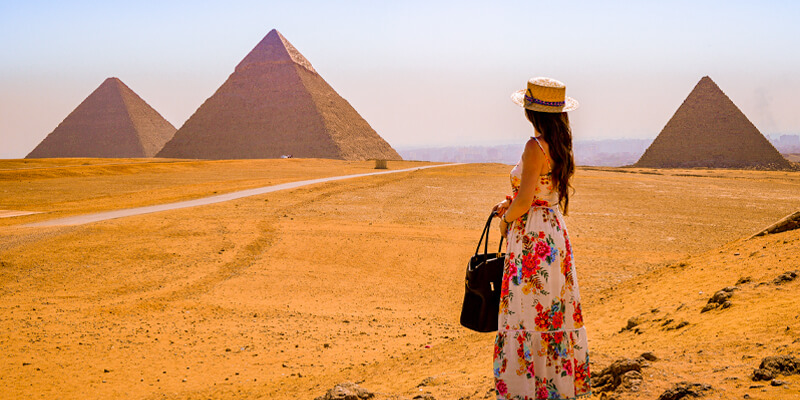
    A Tourist Woman Taking a Land Tour to the Great Pyramids of Giza.

    1. Personal Preferences and Travel Style

    Encouraging readers to evaluate their travel preferences and style helps them align their choices with their desired experiences. Consider whether you prefer a relaxed and luxurious experience or a more adventurous and immersive journey. Your preference will guide your decision between a Nile cruise or a land tour in Egypt. A Nile cruise may be perfect if you enjoy a seamless and leisurely experience. If you prefer a more dynamic and hands-on adventure, a land tour might be better suited to your travel style.

    2. Time Constraints and Duration

    Discussing the impact of time constraints on choosing between Nile cruises and land tours ensures the best use of your available time. Nile cruises typically offer fixed durations ranging from 3 to 7 nights, while land tours can be tailored to shorter or longer durations, depending on your availability. If you have limited time, a Nile cruise offers a concentrated exploration experience, while land tours allow for more extensive coverage of Egypt’s diverse destinations.

    3. Seasonal Considerations and Weather

    Discussing the impact of seasons and weather on the travel experience ensures an enjoyable trip with favorable conditions. Consider how the weather and climate in Egypt during different seasons might influence your choice between a Nile cruise or a land tour. While Nile cruises are enjoyable year-round, land tours may have particular highlights or events better experienced during specific seasons.

    4. Accessibility and Mobility

    Addressing accessibility concerns for individuals with mobility limitations ensures an inclusive and accommodating travel experience. Evaluate the accessibility of both Nile cruises and land tours, considering any mobility limitations you or your fellow travelers may have. While Nile cruises offer a more stable and structured environment, land tours may require more mobility for exploring diverse terrains and historical sites.

    Nile River Cruise vs. Land-based Tour: Which You’ll Try?

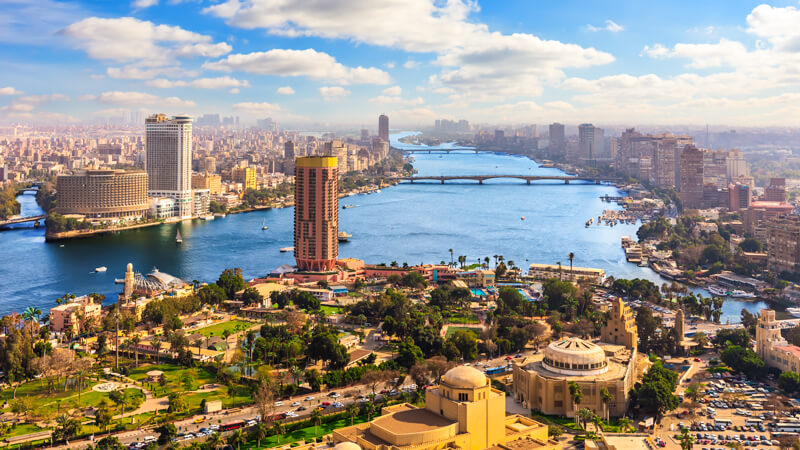
    A Wide View of Cairo and the Nile River.

    Throughout this guide, we have explored the enchanting options of Nile cruises and land tours in Egypt, comparing their costs, itineraries, comfort, cultural immersion, and other crucial factors. Based on your preferences, travel style, and the factors discussed, you can confidently choose between a captivating Nile cruise or an immersive land tour that aligns with your desired experiences. Whichever option you choose—Nile Cruise or Land Tour—prepare yourself for an extraordinary journey through the wonders of Egypt, immersing yourself in its ancient history, vibrant culture, and breathtaking landscapes.

    Remember, whether you choose a Nile cruise or a land tour, your adventure in Egypt promises to be an experience of a lifetime. GEM Egypt Tours offers the best Vacation packages to Egypt with a perfect deal. Whether you are looking for a Nile Cruise or land tour in Egypt, you can book from our wide variety of options and prepare to create memories that will last forever as you unravel the mysteries of this ancient land.

  • Exploring the Grand Egyptian Museum (GEM) : A Gateway to Ancient Egypt

    Exploring the Grand Egyptian Museum (GEM) : A Gateway to Ancient Egypt

    The Grand Egyptian Museum in Cairo, also known as GEM Egypt or the Egyptian Grand Museum, welcomes you to embark on a journey through the captivating history of ancient Egypt. As you step into this extraordinary institution, get ready to explore a treasure trove of artifacts and immerse yourself in the rich heritage of Egypt. The significance of the Grand Egyptian Museum cannot be overstated. It serves as a testament to the enduring legacy of ancient Egypt, offering a glimpse into the past that has fascinated people for centuries. With its vast collection of iconic artifacts and treasures, this museum stands as a symbol of preserving Egyptian heritage and ensuring its accessibility to future generations.

    Embarking through the Grand Egyptian Museum is like embarking on a thrilling adventure through time. The sheer magnitude of its exhibits and the wealth of knowledge they hold will leave you in awe. Whether you’re an avid history enthusiast or simply curious about the ancient world, the GEM promises an exhilarating experience filled with discovery, wonder, and a deeper understanding of the mysteries that have fascinated humanity for centuries.

    The History and Significance of the Grand Egyptian Museum

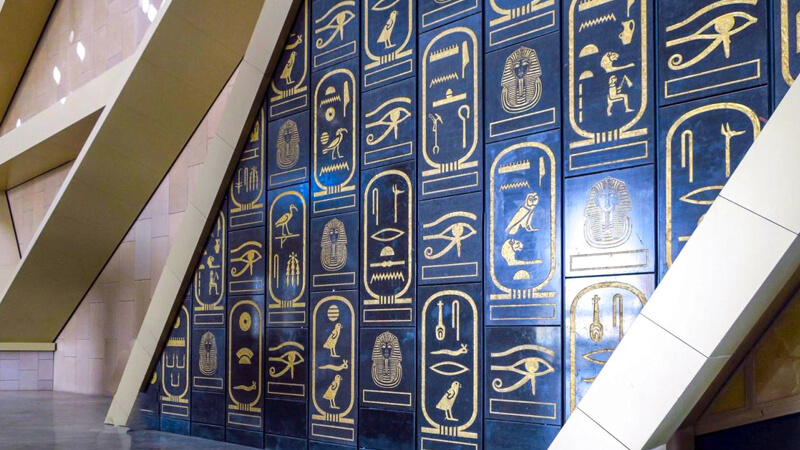
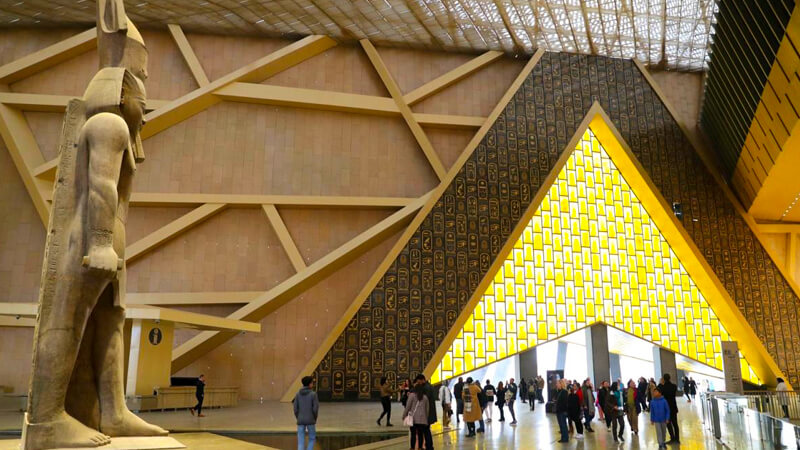
    Hieroglyphic Writings at the Grand Egyptian Museum.

    1. Ancient Egypt: A Glimpse into the Past

    To truly appreciate the magnificence of the Grand Egyptian Museum, it is essential to understand the significance of ancient Egyptian civilization. For over 3,000 years, the pharaohs ruled the Nile Valley, leaving behind a remarkable legacy of art, architecture, and cultural achievements. From the construction of the Great Pyramids to the mastery of hieroglyphics, ancient Egypt continues to captivate the world with its enduring mystique.

    Importance of Preserving Egyptian Heritage

    Preserving the heritage of ancient Egypt is a sacred duty. The artifacts housed within the Grand Egyptian Museum represent the very essence of this awe-inspiring civilization. By safeguarding these treasures and sharing them with the world, Egypt ensures that the stories of its past will continue to inspire and educate future generations.

    2. The Birth of the Grand Egyptian Museum

    Background on the Museum’s Inception

    The concept of the Grand Egyptian Museum was born out of a desire to provide a fitting tribute to Egypt’s ancient wonders. The project began in 1992 and has since evolved into one of the most ambitious and monumental undertakings in cultural heritage. The vision was to create a world-class museum that would showcase the full grandeur of Egypt’s ancient artifacts and elevate the nation’s cultural prominence on the global stage.

    Purpose and Objectives of the Museum

    The Grand Egyptian Museum stands as a testament to the ambition and dedication of the Egyptian people to honor their past. Its purpose goes beyond simply displaying artifacts; it aims to immerse visitors in the rich tapestry of ancient Egyptian civilization. The museum aims to foster a deeper appreciation and understanding of Egypt’s cultural heritage by presenting a comprehensive narrative of the country’s history.

    Historical and cultural significance

    The Grand Egyptian Museum holds immense historical and cultural significance. Located near the Giza Plateau, it offers a seamless connection to the nearby pyramids and the Great Sphinx of Giza, creating a unified experience that allows visitors to delve into the full majesty of ancient Egypt. This architectural masterpiece is a showcase of artifacts and a symbol of Egypt’s commitment to preserving its legacy and promoting cultural tourism.

    3. The Journey of Building the Grand Egyptian Museum

    Challenges and Triumphs During Construction

    The construction of the Grand Egyptian Museum presented numerous challenges, but with each obstacle, Egypt demonstrated its unwavering determination to create a world-class institution. From logistical hurdles to intricate conservation processes, the journey to completion was arduous. However, the museum’s opening represents a triumph—a testament to the resilience and passion of all those involved in bringing this grand vision to life.

    Architectural Highlights and Design Inspirations

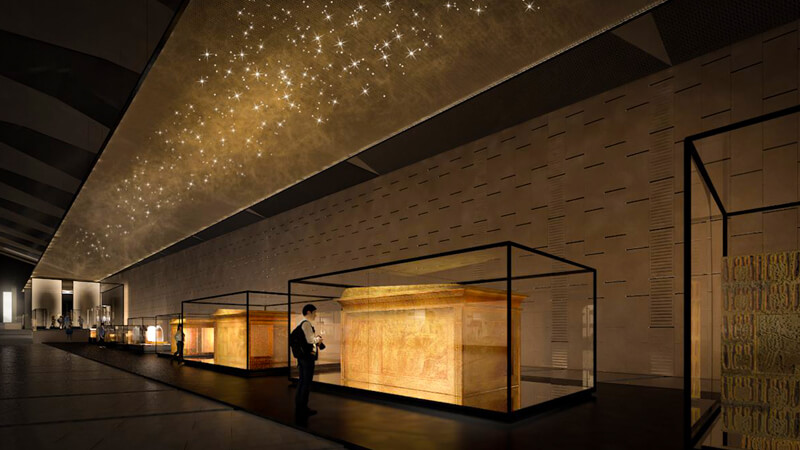
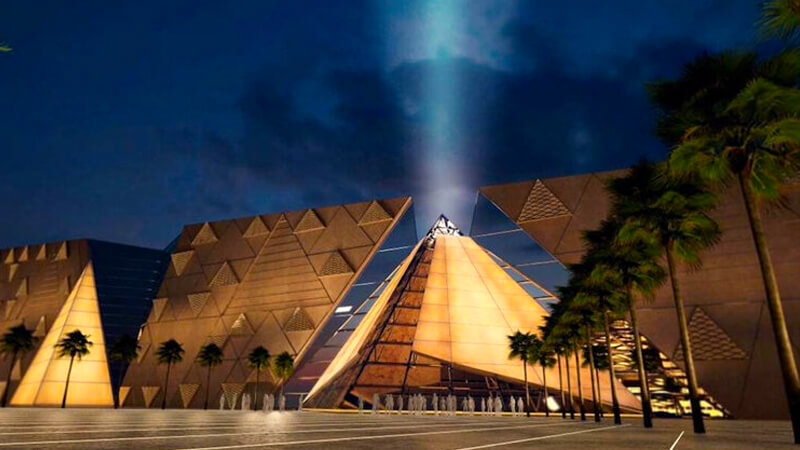
    The architectural design of the Grand Egyptian Museum is a harmonious blend of contemporary aesthetics and ancient Egyptian motifs. The iconic structure draws inspiration from the pyramids and the Nile, with its striking triangular shape and cascading glass facade, creating a mesmerizing interplay of light and space. The design pays homage to Egypt’s rich architectural heritage while embracing modern technology to enhance the visitor experience.

    Exploring the Grand Egyptian Museum

    the grand egyptian museum, egyptian grand museum, GEM Egypt, gem museum egypt, egypt gem
    Interior View of the Grand Egyptian Museum (GEM).

    1. The Main Attractions

    Iconic Artifacts and Treasures on Display

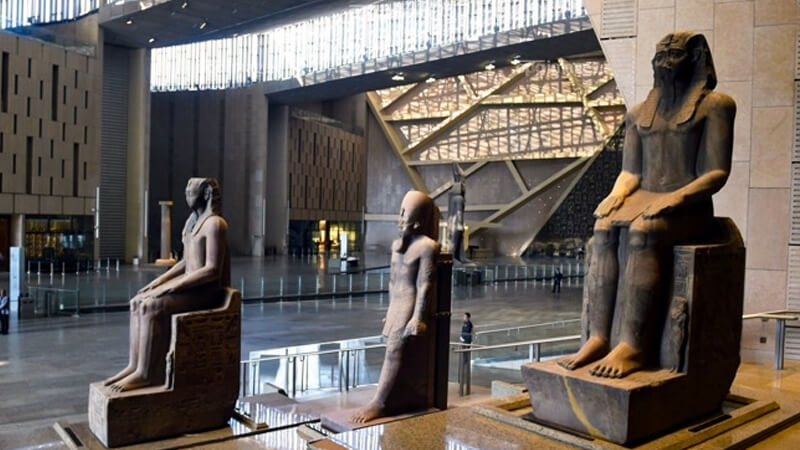
    As you venture through the halls of the Grand Egyptian Museum, you will encounter a breathtaking array of iconic artifacts and treasures. From the golden mask of Tutankhamun to the colossal statues of ancient pharaohs, these priceless gems provide an intimate glimpse into the lives and beliefs of the ancient Egyptians. Each exhibit tells a unique story, offering a window into a bygone era.

    Noteworthy Exhibits and Collections

    Beyond the famed artifacts, the Grand Egyptian Museum houses an extensive collection that spans various aspects of ancient Egyptian life. From ornate jewelry and intricate mummy cases to delicate papyrus scrolls and religious relics, the exhibits shed light on the multifaceted nature of this extraordinary civilization. The meticulous curation ensures that visitors gain a comprehensive understanding of the diverse facets of ancient Egyptian society.

    2. Must-See Galleries and Exhibitions

    • Gallery 1: Ancient Egyptian Pharaohs

    Step into the regal world of the pharaohs as you explore Gallery 1. Immerse yourself in the splendor of royal tombs, witness the grandeur of ceremonial artifacts, and marvel at the detailed craftsmanship that adorned the thrones of these ancient rulers. This gallery provides a captivating insight into the lives and legacies of the pharaohs who shaped Egypt’s history.

    • Gallery 2: Everyday Life in Ancient Egypt

    Delve into the daily lives of ancient Egyptians in Gallery 2. Experience the bustling streets of ancient cities, observe the rituals of everyday life, and appreciate the ingenuity of ancient Egyptian inventions. From agricultural practices to the intricacies of the written language, this gallery offers a glimpse into the vibrant tapestry of daily existence in ancient Egypt.

    • Gallery 3: Royal Tombs and Burial Practices

    Gallery 3 takes you on a journey to the afterlife, exploring the elaborate burial practices and beliefs surrounding death in ancient Egypt. Marvel at the beautifully decorated sarcophagi, discover the mummification rituals, and learn about the symbolic significance of burial ceremonies. This gallery offers a profound insight into the Egyptian concept of the afterlife and the enduring quest for immortality.

    • Gallery 4: Temples and Religious Artifacts

    Enter the sacred realm of ancient Egyptian religion in Gallery 4. Here, you will encounter magnificent temple models, intricately carved statues of deities, and exquisite religious artifacts. Explore the rituals and beliefs that shaped the spiritual landscape of ancient Egypt, gaining a deeper understanding of the profound role that religion played in the lives of its people.

    3. Interactive Experiences and Virtual Tours

    Virtual Tours of the Grand Egyptian Museum

    Can’t make it to the Grand Egyptian Museum in person? Fear not, for the GEM offers immersive virtual tours that bring the wonders of ancient Egypt to your screen. Explore the galleries, zoom in on artifacts, and engage with informative audio guides from the comfort of your own home. These virtual experiences allow you to embark on a captivating journey through time, no matter where you are.

    Hands-on Activities and Educational Programs

    The Grand Egyptian Museum is committed to providing enriching experiences for visitors of all ages. Engage in hands-on activities that allow you to delve deeper into ancient Egyptian crafts, such as papyrus making or hieroglyphic writing. Additionally, the museum offers educational programs that cater to schools and educational institutions, providing a unique opportunity for students to learn and engage with ancient Egyptian history.

    Planning Your Visit to the Grand Egyptian Museum

    the grand egyptian museum, egyptian grand museum, GEM Egypt, gem museum egypt, egypt gem
    The Visitors of the Grand Egyptian Museum and the Statue of Ramesses II at the Entrance Hall.

    1. Ticketing and Entry Information

    Pricing Options and Discounts

    To make your visit to the Grand Egyptian Museum seamless, various ticketing options are available to suit your needs. Ticket prices are tiered, with discounted rates for students, seniors, and children. Additionally, consider checking for special promotions or bundled packages that may provide additional value during your visit.

    Online Booking and Reservation Details

    Booking your tickets online in advance is advisable to avoid long queues and ensure a hassle-free experience. The Grand Egyptian Museum’s official website offers a user-friendly platform for online reservations. Simply select your preferred date and time slot, complete the booking process, and receive your e-tickets via email. This convenient service saves you time and guarantees entry to the museum.

    2. Opening Hours and Visitor Guidelines

    Operating Hours and Peak Visiting Times

    The Grand Egyptian Museum is open from 9 AM–6 PM every day of the week, allowing ample time for visitors to immerse themselves in its wonders. To optimize your experience, consider planning your visit during off-peak hours when the museum is less crowded. This will afford you a more serene atmosphere and ample space to explore the exhibits at your own pace.

    Security Measures and Visitor Etiquette

    To ensure all visitors’ safety and the artifacts’ preservation, the Grand Egyptian Museum has implemented strict security measures. Before entering the museum, you will undergo a routine security check. Please adhere to the visitor guidelines, which include refraining from touching the artifacts, refraining from using flash photography, and maintaining a respectful demeanor throughout your visit.

    3. Nearby Attractions and Accommodation Options

    Recommendations for Other Attractions in Cairo

    While the Grand Egyptian Museum is undoubtedly a highlight of any visit to Cairo, the city offers many other attractions to explore. Consider visiting the nearby Giza Plateau to witness the magnificent Pyramids of Giza and the enigmatic Sphinx. Furthermore, Cairo’s vibrant markets, such as the Khan El Khalili bazaar, offer a sensory feast of sights, sounds, and flavors.

    Hotels and Accommodations in the Vicinity

    To make the most of your visit to the Grand Egyptian Museum, you may wish to stay in one of the many hotels and accommodations. From luxurious resorts to budget-friendly options, Cairo offers a range of accommodations to suit every preference. Choose a hotel that provides convenient access to the museum, allowing you to maximize your time exploring its wonders.

    Tips and Advice for a Memorable Experience

    Group of Pharaonic Statues at the GEM.

    1. Navigating the Museum: Best Routes and Strategies

    To make the most of your visit to the Grand Egyptian Museum, consider adopting a strategic approach to navigate its vast collection. Start by obtaining a map of the museum upon entry, which will help you plan your route and prioritize the galleries and exhibits that interest you the most. This will ensure ample time to explore the artifacts that captivate your curiosity.

    Highlights Not to be Missed

    While every exhibit in the GEM is worthy of admiration, a few highlights should not be missed. The iconic golden mask of Tutankhamun, the colossal statue of Ramses II, and the collection of ancient papyrus scrolls are among the must-see treasures. Take your time to appreciate the intricate details and immerse yourself in the stories they tell.

    2. Enhancing Your Visit: Audio Guides and Guided Tours

    Benefits of Audio Guides and Guided Tours

    To enhance your understanding and appreciation of the exhibits, consider utilizing the audio guides or joining a guided tour at the Grand Egyptian Museum. These resources provide insightful commentary, historical context, and fascinating anecdotes, offering a deeper immersion into the world of ancient Egypt. The guides’ expertise ensures you glean valuable insights and enrich your overall experience.

    Available Languages and Additional Costs

    Audio guides and guided tours are available in multiple languages to cater to international visitors. Whether you prefer English, French, German, or other languages, the Grand Egyptian Museum strives to accommodate your needs. Remember that additional costs may apply for these services, but the investment is worth the invaluable knowledge and enriched experience they provide.

    3. Souvenirs and Shopping at the Grand Egyptian Museum

    Gift Shops and Unique Souvenir Options

    No visit to the Grand Egyptian Museum would be complete without perusing the gift shops, which offer many souvenirs to commemorate your journey. From miniature replicas of ancient artifacts to traditional Egyptian crafts, you’ll find the perfect souvenir to capture the essence of your visit. These unique treasures make for meaningful gifts or personal keepsakes, allowing you to carry a piece of Egypt’s rich heritage.

    Supporting Local Artisans and Craftsmen

    When purchasing souvenirs at the Grand Egyptian Museum, you have the opportunity to support local artisans and craftsmen. Many of the products available are handmade by skilled Egyptian craftsmen, preserving ancient techniques passed down through generations. By choosing these authentic creations, you contribute to the local economy and help keep traditional craftsmanship for future generations to appreciate.

    The Grand Egyptian Museum (GEM) Experience

    the grand egyptian museum, egyptian grand museum, GEM Egypt, gem museum egypt, egypt gem
    The Grand Egyptian Museum (GEM) at Night.

    The Grand Egyptian Museum, a testament to Egypt’s rich heritage, offers an immersive experience that transports you to the ancient world of the pharaohs. From the awe-inspiring artifacts to the meticulously curated exhibits, this extraordinary institution brings the wonders of ancient Egypt to life. Each step within its hallowed halls reveals a new chapter in the captivating story of one of humanity’s greatest civilizations.

    We invite you to embark on a journey of discovery at the Grand Egyptian Museum through one of our Best Vacation Packages to Egypt, where the past and present converge. Uncover the mysteries of the pyramids, decipher the secrets of hieroglyphics, and witness the timeless beauty of ancient art. Whether you’re an ardent history enthusiast, a curious traveler, or simply seeking a transformative experience, the Grand Egyptian Museum promises to leave an indelible mark on your soul.

    Come, immerse yourself in the grandeur of Egypt’s ancient past, and witness the wonders that have captivated the world for millennia. The GEM awaits, ready to reveal the extraordinary legacy of a civilization that continues to inspire and intrigue to this day.

  • How to Choose the Best Hotels and Accommodations in Egypt? : Your Guide to a Memorable Stay!

    How to Choose the Best Hotels and Accommodations in Egypt? : Your Guide to a Memorable Stay!

     Egypt is a captivating destination, offering a rich blend of history, culture, and natural beauty. When planning a trip to this fascinating country, finding the best hotels and accommodations in Egypt can significantly enhance your travel experience. Finding the perfect place to stay that caters to your needs and preferences is essential to make the most of your visit. With many options available, it’s essential to consider various factors to ensure a memorable and comfortable stay. , we’ll explore the factors to consider when selecting accommodations, tips for researching and shortlisting hotels, assessing quality and reputation, engaging with the hotel, considering unique accommodation options, making the final decision, and providing a conclusion with actionable recommendations. Let’s dive in and uncover the best hotels and accommodations in Egypt.

    When choosing the best hotels and accommodations in Egypt, Whether you’re planning a visit to the Great Pyramids of Giza, the Great Sphinx, cruising the Nile, or exploring the vibrant streets of Cairo, selecting suitable accommodations is crucial for a memorable travel experience. We provide valuable insights and practical tips to help you find the best hotels and accommodations in Egypt that align with your preferences and budget. From luxury resorts to cozy guesthouses, we’ve got you covered.

    How to Choose the Best Hotels and Accommodations in Egypt?

    Best Hotels and accommodations in egypt, Best Hotels in egypt, hotels in egypt, Best luxury hotels in Egypt, All-inclusive hotels Egypt, Best hotels in Cairo, Egypt, Best all-inclusive hotels Egypt, accommodations in Egypt, Best accommodations in Egypt
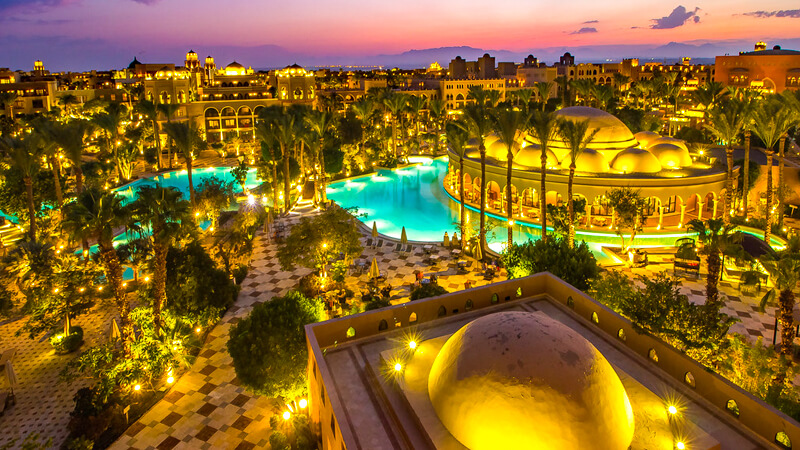
    Makadi Palace Hotel, Hurghada.

    1. Location

    When choosing accommodations in Egypt, location is vital to your overall experience. Opt for accommodations that are conveniently located near the attractions and activities you plan to explore. If you’re interested in exploring ancient sites, consider hotels in Luxor and Aswan. For a beach getaway, Hurghada or Sharm El Sheikh offer excellent options. With its bustling streets and vibrant culture, Cairo is a great choice for those seeking a mix of history and modernity.

    2. Budget

    Determining your budget is crucial in finding the best accommodations in Egypt. Egypt offers many options, from luxury hotels to budget-friendly hostels. Set a realistic budget and explore the options available within that range. Consider additional expenses such as meals, transportation, and activities when planning your budget.

    3. Amenities and Services

    Consider the amenities and services offered by the accommodations you’re considering. Essential amenities such as Wi-Fi, air conditioning, and comfortable bedding ensure a pleasant stay. Additionally, swimming pools, fitness centers, and on-site restaurants can enhance your experience. If you prefer a hassle-free holiday, look for accommodations that offer services such as airport transfers, guided tours, or concierge assistance.

    4. Reviews and Ratings

    Reading reviews and ratings from previous guests provides valuable insights into the quality and experiences offered by different accommodations. Platforms like TripAdvisor, Booking.com, Expedia, and more are excellent resources for reading authentic reviews. Look for accommodations with positive thoughts and high ratings, which will likely provide a satisfactory experience.

    Researching and Shortlisting Hotels

    Best Hotels and accommodations in egypt, Best Hotels in egypt, hotels in egypt, Best luxury hotels in Egypt, All-inclusive hotels Egypt, Best hotels in Cairo, Egypt, Best all-inclusive hotels Egypt, accommodations in Egypt, Best accommodations in Egypt
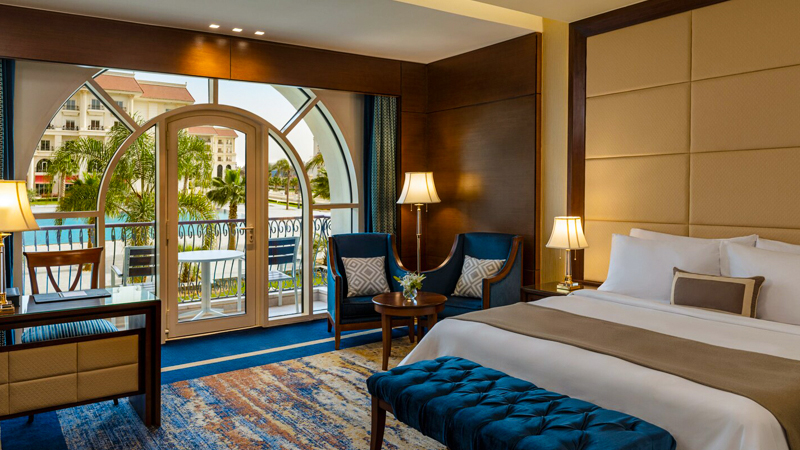
    A Hotel Room Interior in Cairo with a Pool View.

    Utilizing Online Booking

    Online travel platforms are convenient for researching and booking accommodations in Egypt. Utilize the filters and sorting options to narrow your search based on your preferences, including price range, location, and guest ratings.

    Reading Hotel Websites and Descriptions

    Hotel websites provide detailed information about their accommodations, facilities, and services. Visit the official websites of the hotels you’re interested in to gather more insights. Look for information about room types, amenities, dining options, and nearby attractions. Attention to essential details, such as proximity to public transportation or specific landmarks.

    Assessing Hotel Quality and Reputation

    Mercure Hurghada Hotel.

    1. Checking Online Reviews

    Online reviews are an excellent source of information for assessing the quality and reputation of accommodations. Read reviews on trusted platforms like TripAdvisor, Booking.com, or Google Reviews. Look for recent reviews that reflect the current state of the hotel. Consider both positive and negative feedback to gain a balanced perspective.

    Check our tour reviews from TripAdvisor.

    2. Evaluating Ratings and Certifications

    Hotels in Egypt may have ratings or certifications that indicate their quality and standards. Rating systems, such as star ratings or quality marks, can be helpful indicators of the overall experience you can expect. Familiarize yourself with the rating systems in Egypt and prioritize accommodations with higher ratings or recognized certifications.

    Engaging with the Hotel

    Communicating with the Hotel Staff.

    Contacting the Hotel Directly

    Engaging with the hotel directly lets you communicate your specific needs and preferences. Contact the hotel via email or phone to inquire about any questions or special requests you may have. Clear communication ensures that your expectations are understood and can help you make a more informed decision.

    Assessing Responsiveness

    Prompt and helpful responses from hotel staff indicate good customer service. Evaluate the hotel’s responsiveness during your communication. A hotel that prioritizes guest inquiries and provides timely and informative responses will likely offer excellent service during your stay.

    Considering Unique Accommodation Options

    Best Hotels and accommodations in egypt, Best Hotels in egypt, hotels in egypt, Best luxury hotels in Egypt, All-inclusive hotels Egypt, Best hotels in Cairo, Egypt, Best all-inclusive hotels Egypt, accommodations in Egypt, Best accommodations in Egypt
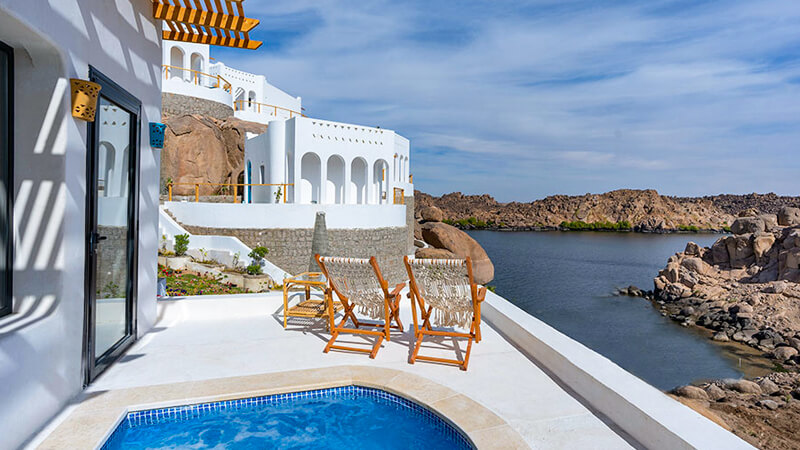
    Boutique Hotel in Aswan.

    Boutique Hotels

    In addition to traditional hotels, Egypt offers a variety of unique and charming accommodation options. Boutique hotels are among the top choices for travelers seeking a distinctive and intimate experience. These establishments often blend modern comfort with local character, providing a personalized touch that differentiates them from larger chain hotels. Boutique hotels in Egypt capture the essence of the destination, offering a combination of luxury, style, and individuality. These smaller-scale hotels provide a more intimate atmosphere with carefully curated decor, personalized service, and attention to detail. Boutique hotels often reflect the local culture and heritage, creating an immersive and authentic experience for guests. Some notable boutique hotels in Egypt include Kempinski Nile Hotel Cairo, Premier Le Reve Hotel & Spa, KaiSol Romance Resort Sahl Hasheesh, Cancun Sokhna Resort, and Porto Sokhna Beach Resort & Spa. 

    Homestays and Guesthouses

    Homestays and guesthouses are excellent options for travelers seeking a more immersive experience and a deeper connection with the local culture. These accommodations allow one to stay with local hosts, experience their way of life, and gain insights into Egyptian traditions and customs.

    Homestays offer a unique opportunity to live with local families in Egypt. Guests can enjoy the warmth of Egyptian hospitality, share meals, and engage in cultural activities. Staying in a homestay allows a deeper understanding of Egyptian daily life, customs, and traditions.

    Guesthouses are small, family-run establishments offering a more intimate and personalized experience than larger hotels. These accommodations often have limited rooms, allowing hosts to provide exceptional service and attention to guests’ needs. Guesthouses in Egypt can be found in various locations, from bustling cities to tranquil countryside settings.

    Making the Final Decision

    Best Hotels and accommodations in egypt, Best Hotels in egypt, hotels in egypt, Best luxury hotels in Egypt, All-inclusive hotels Egypt, Best hotels in Cairo, Egypt, Best all-inclusive hotels Egypt, accommodations in Egypt, Best accommodations in Egypt
    St. Regis Almasa Hotel in Cairo.

    Weighing the Factors

    To make the final decision, weigh the factors discussed earlier – location, budget, amenities, reviews, and ratings. Consider your priorities and strike a balance that aligns with your preferences. Determine which factors are most important to you and prioritize accommodations that best meet those criteria.

    Booking and Confirmation

    Once you’ve chosen your ideal accommodations, booking and confirming your reservation is time. Follow the secure booking process provided by the hotel or online platform. Double-check all reservation details, including dates, room types, and special requests. Confirming the reservation ensures your accommodation is secured for your desired travel dates.

    In conclusion, selecting the best hotels and accommodations in Egypt is vital to planning a memorable trip. You can make an informed decision by considering factors such as location, budget, amenities, and reviews and engaging with the hotel directly. Explore unique accommodation options like boutique hotels, homestays, or guesthouses for a more authentic experience. GEM Egypt Tours can help you choose the best vacation packages to Egypt to ensure a fantastic stay in the best Hotels and Accommodations in Egypt with the best offers. We wish you a memorable journey and don’t forget to check out more Egypt travel guides on our website.

Order via WhatsApp