Author: GEM Tours

  • The Nubian Villages: Preserving Cultural Heritage and Traditions

    The Nubian Villages: Preserving Cultural Heritage and Traditions

    The Nubian Villages hold a rich cultural heritage that spans centuries, deeply rooted in the history of the Nubian people. Nestled along the banks of the Nile River, these villages showcase the Nubian community’s unique traditions, architecture, and social fabric. Geographically located in southern Egypt and northern Sudan, the Nubian Villages have become important cultural heritage sites, drawing visitors worldwide to experience their distinctive charm and historical importance.

    Traditional Architecture and Design

    Description of the Typical Nubian Village Layout

    The Nubian villages are characterized by their distinctive architectural layout, carefully designed to harmonize with the natural landscape. Houses are arranged compactly, creating labyrinthine alleyways and narrow streets that offer shelter from the scorching sun. The houses are traditionally mud-brick and adorned with vibrant colors and intricate geometric patterns, showcasing the Nubians’ skilled craftsmanship.

    Unique Architectural Features of Nubian Houses

    One of the remarkable features of Nubian houses is their domed roofs, constructed with palm tree trunks and layered with a mixture of mud and straw. These roofs provide insulation and contribute to the cooling effect inside the houses, combating the region’s high temperatures. Additionally, the houses often feature beautifully carved wooden doors and windows, adding an element of artistic expression to their architecture.

    Use of Local Materials and Construction Techniques

    Nubian villages have long relied on locally available construction materials. Mud bricks, sourced from the Nile’s banks, form the primary building material. In contrast, palm fronds and reeds are used for roofing and fencing. The combination of these natural materials, coupled with traditional building techniques, ensures the houses are well-suited to the region’s climate and serve as a testament to the sustainable practices of the Nubian people.

    Symbolism and Cultural Significance Behind Nubian Villages Design

    The Nubian village design is deeply intertwined with the community’s cultural and religious beliefs. The vibrant colors and patterns adorning the houses often symbolize prosperity, protection, and warding off evil spirits. Additionally, the village layout fosters a strong sense of community, with houses often connected through shared courtyards, emphasizing the importance of social bonds and collective identity.

    Community and Social Structure

    Close-knit Nature of Nubian Communities

    Nubian communities are renowned for their strong sense of unity and togetherness. Families within the village form close-knit bonds, with individuals supporting each other in daily life. This tight community structure creates a warm and welcoming atmosphere, where visitors are often greeted with open arms and invited to partake in the village’s traditions.

    Traditional Roles and Responsibilities Within the Community

    The Nubian villages adhere to traditional gender roles and responsibilities, with men primarily engaged in agriculture, fishing, and craftsmanship, while women excel in weaving and pottery. These roles are deeply rooted in the community’s history and contribute to preserving traditional skills and knowledge.

    Importance of Extended Family and Kinship ties

    Family plays a central role in Nubian society, and extended family networks are highly valued. Generations often live together, fostering intergenerational bonds and preserving cultural practices and traditions. Extended family members are relied upon for support, and their presence strengthens the fabric of the community.

    Traditional Community Activities and Celebrations

    The Nubian villages come alive during traditional festivals and celebrations, offering a glimpse into the community’s vibrant cultural heritage. Festivals often involve music, dance, and storytelling, showcasing the rhythmic beats of traditional Nubian drums and the graceful movements of the dancers. These gatherings allow community members to unite, celebrate their shared identity, and pass their cultural practices to younger generations.

    Cultural Practices and Traditions

    Nubian Language, Music, and Dance

    The Nubian language, a distinct branch of the Nilo-Saharan language family, is integral to the community’s identity. Although influenced by Arabic and other neighboring languages, Nubian remains unique. Music and dance play a crucial role in Nubian culture, with rhythmic melodies and energetic movements reflecting the community’s joyous spirit and love for celebration.

    Traditional Nubian Cuisine and Culinary Practices

    Nubian cuisine showcases the region’s bountiful produce and reflects the community’s connection to the Nile River. Staple foods include fish, lentils, and vegetables, with aromatic spices enhancing the flavors. Traditional dishes, such as “Fatta” (a meat and bread stew) and “Aasida” (a thick porridge), are prepared with love and shared among family and friends, fostering a sense of communal dining.

    Clothing and Adornments Reflect the Nubian Identity.

    Nubian attire is known for its vibrant colors and intricate patterns, mirroring the community’s vibrant spirit. Women often wear vibrant dresses with ornate embroidery, while men don galabiyas (loose-fitting robes) paired with distinctive head coverings. These traditional garments are more than just clothing; they serve as a visual expression of the Nubian people’s cultural identity and pride.

    Cultural Rituals and Ceremonies in the Nubian Villages

    The Nubian villages are rich in cultural rituals and ceremonies that mark important life events and seasons. Traditional dances, music performances, and elaborate rituals accompany weddings, birth celebrations, and religious festivals. These customs serve as a way to preserve cultural heritage, strengthen community bonds, and pass down ancestral knowledge to younger generations.

    Threats and Preservation Efforts

    Historical and Modern Challenges Faced by the Nubian Villages

    The Nubian villages have faced various challenges throughout history, including displacement due to dam construction and political unrest in the region. These challenges have disrupted the fabric of the community and threatened the preservation of their unique traditions and way of life.

    Impact of Dam Construction and Displacement of Nubian Communities

    The construction of dams, such as the Aswan High Dam, led to the forced relocation of numerous Nubian villages, causing the displacement of families from their ancestral lands. This dislocation profoundly impacted the community’s social structure, cultural practices, and connection to the Nile River.

    Efforts to preserve Nubian culture and heritage

    Recognizing the significance of Nubian culture and heritage, various organizations and individuals have actively worked to preserve and promote Nubian traditions. Efforts include documenting oral histories, revitalizing traditional crafts, and establishing cultural centers and museums to educate locals and visitors about the Nubian way of life.

    Role of Tourism in Supporting the Sustainability of Nubian Villages

    Tourism has emerged as a vital tool in supporting the sustainability of the Nubian villages. Responsible tourism practices, such as homestays and community-based tourism initiatives, allow visitors to immerse themselves in the Nubian culture while contributing to the community’s economic well-being. By experiencing the warmth and authenticity of Nubian hospitality, tourists play a significant role in preserving the region’s cultural heritage.

    The Importance of Preserving and Celebrating Nubian Culture

    Preserving Nubian culture is crucial for maintaining the community’s rich heritage and passing it on to future generations. By safeguarding Nubian traditions, language, and architecture, we ensure that the Nubian people’s story continues to be told and celebrated.

    The Nubian Villages hold immense significance as cultural heritage sites, showcasing the Nubian community’s unique traditions, architecture, and social fabric. They provide an invaluable glimpse into the history and identity of the Nubian people.

    The future of the Nubian villages depends on collective efforts to protect and promote their cultural significance. By supporting sustainable tourism, engaging in cultural exchange, and raising awareness about the challenges faced by the Nubian community, we can contribute to a future where the Nubian villages thrive and their cultural heritage flourishes.

    Related Articles You Might Find Interesting:
  • The Abu Simbel Temples: A Marvel of Ancient Egyptian Architecture and History

    The Abu Simbel Temples: A Marvel of Ancient Egyptian Architecture and History

    Welcome to the mesmerizing world of the Abu Simbel Temples, an extraordinary testament to the grandeur of ancient Egyptian architecture and history. In this article, we will delve into the captivating story of these temples, their significance in the annals of human civilization, and their enduring legacy that continues to awe visitors worldwide.

    Overview of the Abu Simbel Temples

    The Abu Simbel Temples in southern Egypt near the border with Sudan is a remarkable pair of rock-cut temples iconic symbols of ancient Egypt’s grandeur. These temples were built during the reign of Pharaoh Ramses II, who sought to demonstrate his power and divine connection to the gods through their construction.

    Location and Background

    Geographical Location of the Abu Simbel Temples

    Nestled on the western bank of the Nile River, the Temple Abu Simbel is situated approximately 280 kilometers south of Aswan. This remote location, surrounded by the vast Nubian desert, adds to the mystical allure of these temples.

    Construction during the Reign of Pharaoh Ramses II

    During the 13th century BCE, Pharaoh Ramses II commissioned the construction of the Abu Simbel Temple complex. This ambitious undertaking was part of his extensive building program, aimed at glorifying his reign and immortalizing his legacy for eternity.

    Purpose and Symbolism of the Temples

    The Abu Simbel Temple complex served a dual purpose: a divine sanctuary for worshipping gods and a monument to Ramses II’s power. The grandiosity of the temples, intricate carvings, and artwork reflected the Pharaoh’s desire to establish himself as a living god and assert Egyptian dominance over neighboring territories.

    The Great Temple of Abu Simbel

    Exterior Architecture and Design

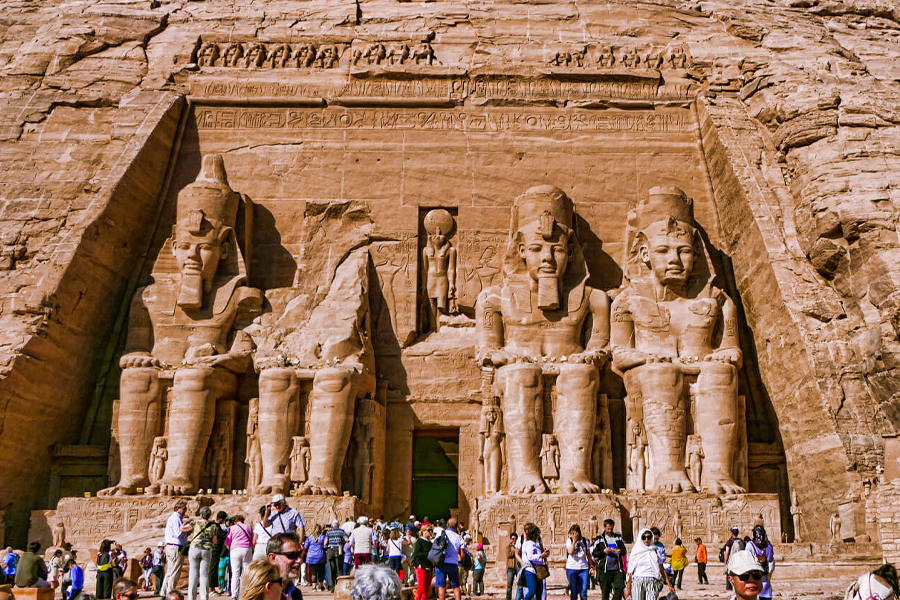
    Visitors are greeted by an awe-inspiring sight approaching the Great Temple of Abu Simbel. The entire façade is carved into the face of the sandstone cliff, creating a colossal rock-cut structure that stands 30 meters tall and 35 meters wide. The four enormous statues of Ramses II guard the entrance, each standing at an imposing height of over 20 meters.

    Interior Structure and Features

    Entering the Great Temple, visitors are greeted by a magnificent hypostyle hall adorned with towering pillars intricately carved with scenes from Ramses II’s military triumphs and religious rituals. Beyond the hall lies the inner sanctuary, housing statues of the gods Ptah, Amun, and Ramses II himself, where rituals and offerings were performed.

    The Small Temple of Abu Simbel

    Architectural Characteristics

    Adjacent to the Great Temple stands the Small Temple of Abu Simbel. Though smaller in scale, it still exudes architectural brilliance. The façade is adorned with statues of Ramses II and his beloved wife, Queen Nefertari, symbolizing their divine presence.

    Purpose and Religious Significance

    Dedicated to the goddess Hathor, the Small Temple played a crucial role in celebrating Ramses II’s reign and his deification. The temple acted as a center for religious ceremonies and festivals, reaffirming the Pharaoh’s divine authority and offering devotion to the goddess of love and beauty.

    Relocation of the Temples

    Threat from the Rising Waters of Lake Nasser

    In the 1960s, the construction of the Aswan High Dam posed a significant threat to the Abu Simbel Temples. The rising waters of Lake Nasser, which would submerge the temples entirely, prompted a massive rescue operation to save these invaluable treasures.

    UNESCO’s Rescue Operation

    Recognizing the cultural significance of the temples, UNESCO spearheaded an international effort to save the Abu Simbel Temples. In a tremendous engineering feat, the temples were meticulously dismantled and relocated to higher ground, preserving them for future generations.

    The Dismantling and Reconstruction Process

    The relocation involved cutting the temples into massive blocks, which were then transported and reassembled in a carefully chosen location, ensuring their original orientation and architectural integrity. This monumental effort is a testament to humanity’s dedication to preserving and safeguarding our shared heritage.

    Modern-day Significance

    Preservation Efforts

    Preserving the Abu Simbel Temples is paramount to safeguarding their historical and cultural significance. In collaboration with international organizations, Egyptian authorities employ various strategies to ensure the long-term preservation of these magnificent structures. Conservation experts monitor the temples regularly, assessing their condition and implementing necessary restoration work to prevent deterioration. Through careful maintenance, including cleaning, stabilizing structures, and addressing environmental factors, the temples are protected from the passage of time and natural elements.

    Tourism at the Abu Simbel Temples

    The Abu Simbel Temples are among Egypt’s most visited tourist attractions, drawing visitors from across the globe. The temples’ accessibility has been enhanced through relocation efforts, making it easier for travelers to witness their splendor. Visitors can explore the mesmerizing interiors, marvel at the intricate carvings and wall paintings, and immerse themselves in the ancient Egyptian world.

    1. Visitor Facilities: Visitor facilities have been established near the temples to accommodate the growing number of tourists. These facilities include visitor centers, museums, information centers, and rest areas, providing visitors with amenities and educational resources to enhance their experience. Guided tours, available in multiple languages, offer insights into the temples’ historical context, architectural details, and cultural significance.

    2. Light and Sound Show: One of the most enchanting experiences at the Abu Simbel Temples is the evening light and sound show. Illuminated against the night sky, the temples come alive as a narrated presentation that immerses visitors in the stories of ancient Egypt, bringing the history and legends surrounding the temples to life. This mesmerizing spectacle adds a layer of wonder and appreciation to the visit.

    3. Sustainable Tourism Practices: In recent years, a growing emphasis has been on promoting sustainable tourism at the Abu Simbel Temples. Efforts are made to balance the preservation of the site with the visitor experience and the well-being of the local communities. Sustainable practices include managing visitor numbers, implementing eco-friendly infrastructure, and promoting awareness about responsible tourism behavior, such as avoiding littering and respecting the site’s sanctity.

    Cultural and Historical Importance

    The Abu Simbel Temples hold immense cultural and historical importance, providing a unique window into the ancient Egyptian civilization. They offer invaluable insights into this remarkable era’s religious beliefs, architectural achievements, and artistic prowess. Exploring the temples allows visitors to connect with the past, appreciating the rich tapestry of human history and the ingenuity of our ancestors.

    1. Architectural Marvels: The architectural brilliance displayed at the Abu Simbel Temples is a testament to the mastery of ancient Egyptian craftsmen. From the colossal statues guarding the entrance to the intricately decorated interiors, every detail showcases the grandeur and precision of their work. The temples’ design, symmetry, and engineering excellence continue to awe and inspire visitors, showcasing the enduring legacy of ancient Egyptian architecture.

    2. Religious Significance: As centers of worship and devotion, the Abu Simbel Temples were integral to the religious practices of ancient Egypt. The depictions of gods, rituals, and mythological tales on the temple walls provide valuable insights into this ancient civilization’s spiritual beliefs and practices. Exploring the temples allows visitors to immerse themselves in the mystical world of Egyptian mythology and gain a deeper understanding of their religious customs.

    UNESCO World Heritage Site Designation

    In recognition of their exceptional universal value, the Abu Simbel Temples were inscribed as a UNESCO World Heritage Site in 1979. This prestigious designation affirms their significance not only to Egypt but also to humanity as a whole, emphasizing the need for their continued protection and appreciation.

    The Abu Simbel Temples are remarkable testaments to the ancient Egyptians’ ingenuity, artistry, and religious devotion. Their massive rock-cut facades, intricate interiors, and cultural significance continue to inspire awe and admiration. As we marvel at the enduring legacy of Ramses II and the ancient Egyptian civilization, the Abu Simbel Temples remain an everlasting testament to human achievement and the enduring power of human creativity.

    Related Articles You Might Find Interesting:
  • The Citadel of Qaitbay: Exploring Alexandria’s Historic Fortress

    The Citadel of Qaitbay: Exploring Alexandria’s Historic Fortress

    Located on the Mediterranean coast in Alexandria, Egypt, the Qaitbay Citadel stands as a majestic testament to the city’s rich historical past. Perched on the site where the legendary Pharos Lighthouse once stood, the citadel has become an iconic landmark that attracts locals and tourists worldwide. This article delves into the captivating history, architectural wonders, and significant tourist attractions of the Qaitbay Citadel, providing a comprehensive guide for those seeking to explore this great site.

    History of Qaitbay Citadel: Construction, Purpose, and Key Events

    The construction of the Qaitbay Citadel commenced in 1477 under Sultan Al-Ashraf Sayf al-Din Qaitbay, a prominent Mamluk ruler. Its primary purpose was to fortify Alexandria’s defense against potential invaders, particularly after several attacks on the city. The citadel was strategically positioned to guard the entrance to Alexandria’s eastern harbor, providing a formidable line of defense.

    The Qaitbay Citadel has witnessed significant events and hosted prominent figures throughout history. In 1798, during Napoleon Bonaparte’s expedition to Egypt, the citadel encountered a fierce assault by French forces. Although the fortress fell into their hands, it was later recaptured by the Mamluks. Moreover, the citadel served as a residence for the Egyptian royal family in the 19th century. Today, it is a symbol of resilience, having weathered numerous challenges and retaining its grandeur.

    Architecture and Design: A Marvelous Fusion of Islamic and European Styles

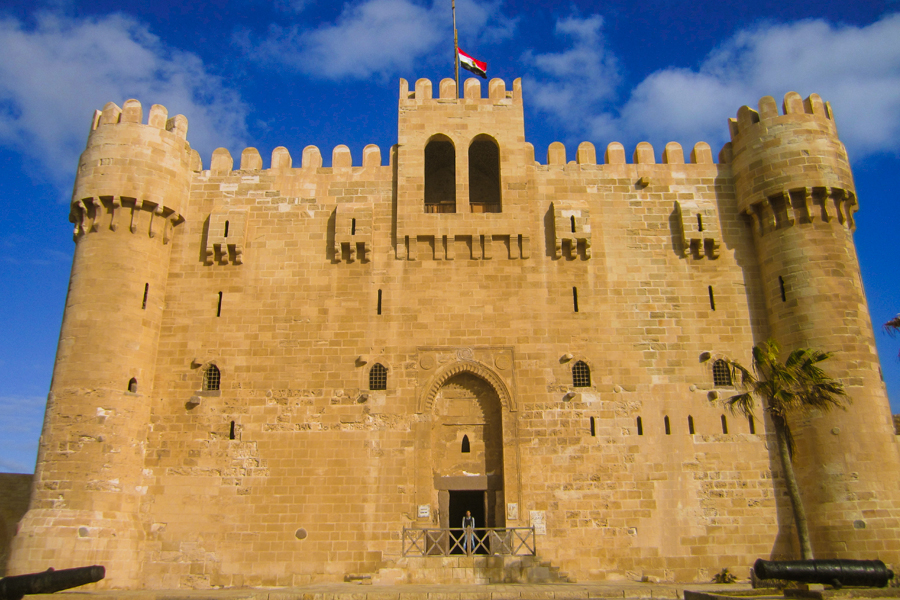
    One of the most fascinating aspects of the Qaitbay Citadel is its architectural splendor, showcasing a harmonious blend of Islamic and European influences. The citadel’s design incorporates traditional Islamic elements, such as its full stone walls, narrow passages, and intricate geometric patterns adorning the interior. These features reflect the architectural style prevalent during the Mamluk era.

    European influences, particularly from the Italian Renaissance, can also be observed in the citadel’s architectural details. The decorative elements, including ornate carvings and domed ceilings, resemble the Mediterranean region’s architectural styles. This fusion of Islamic and European aesthetics creates a unique and visually stunning structure that captivates visitors.

    Tourist Attractions in Qaitbay Citadel: Museum, Lighthouse, and Breathtaking Views


    1. Qaitbay Citadel Museum

    The Qaitbay Citadel offers many attractions for tourists to explore, providing a captivating journey into the past. Visitors can explore the Qaitbay Citadel Museum within the citadel’s walls, which houses an impressive collection of artifacts and exhibits. These displays shed light on the history of Alexandria and the citadel itself, offering insights into the region’s vibrant past.

    2. The Ancient Lighthouse

    Another highlight of the Qaitbay Citadel is the remnants of the ancient Pharos Lighthouse, one of the Seven Wonders of the Ancient World. While the original lighthouse no longer stands, its ruins remain, a poignant reminder of Alexandria’s glorious maritime history. Atop the citadel, visitors can admire panoramic views of the Mediterranean Sea, immersing themselves in the breathtaking beauty of the surroundings.

    Restoration and Preservation Efforts

    Preserving historical landmarks like the Qaitbay Citadel is crucial, ensuring that future generations can appreciate their historical, cultural, and architectural significance. The restoration efforts for the citadel have faced numerous challenges, including the effects of time, weathering, and the need for structural repairs.

    However, dedicated restoration initiatives have been launched to revitalize and preserve the citadel. These efforts involve skilled professionals, who meticulously restore damaged sections, reinforce weakened structures, and ensure the site is accessible to visitors. By safeguarding the Qaitbay Citadel, we protect an invaluable piece of Alexandria’s heritage and maintain a link to its storied past.

    Restoring a historic structure like the Qaitbay Citadel requires careful planning and execution. Experts in architecture, engineering, and conservation work together to assess the citadel’s condition, identify areas of deterioration, and develop comprehensive restoration plans. This process involves conducting detailed surveys, studying historical records and photographs, and employing advanced techniques to understand the original construction methods.

    One primary challenge during the restoration process is preserving the citadel’s original features. Every effort is made to retain the original character and essence of the structure, ensuring that its historical significance remains intact. Skilled craftsmen work diligently to recreate intricate details, using traditional techniques and materials that closely resemble the original ones used during the citadel’s construction.

    Weathering, erosion, and the passage of time have taken their toll on the Qaitbay Citadel. The restoration efforts include repairing and reinforcing structural elements such as walls, roofs, and foundations. Modern technologies and materials are carefully integrated into the restoration process to enhance the citadel’s durability while maintaining its historical integrity.

    Preservation initiatives extend beyond the physical structure of the citadel. Documentation and archival efforts play a vital role in capturing the history and significance of the Qaitbay Citadel. Detailed records, photographs, and digital documentation are created to preserve the knowledge and information associated with the citadel’s construction, historical events, and architectural features.

    Public awareness and community engagement are also critical to restoration and preservation efforts. Local communities, authorities, and stakeholders collaborate to raise awareness about the importance of preserving historical landmarks. Educational programs, guided tours, and exhibitions are organized to educate the public about the citadel’s history and cultural significance, fostering a sense of pride and ownership among the local population.

    The restoration and preservation of the Qaitbay Citadel safeguard its physical structure and contribute to the revitalization of the surrounding area. The presence of a well-preserved historical site attracts tourists, stimulates economic activity, and promotes cultural tourism. This, in turn, generates revenue that can be reinvested in ongoing preservation efforts and the maintenance of the citadel.

    The Significance of Qaitbay Citadel

    In conclusion, the Qaitbay Citadel stands as a beautiful historical monument that showcases the rich tapestry of Alexandria’s past. With its awe-inspiring architecture, significant historical events, and remarkable tourist attractions, the citadel beckons travelers to embark on a journey of discovery. From its construction grandeur to its breathtaking views, the Qaitbay Citadel provides a mesmerizing experience that blends the best of Islamic and European influences.

    As we embrace the importance of preserving and celebrating historical landmarks like the Qaitbay Citadel, we ensure that these treasures continue to inspire and educate future generations. Visitors are encouraged to immerse themselves in the captivating history and architectural marvels of the Qaitbay Citadel, embracing the opportunity to explore its storied halls and witness its enduring legacy.

    Embark on a voyage through time, and let the Qaitbay Citadel in Alexandria transport you to a bygone era, where the echoes of the past reverberate through its walls and the wonders of history come alive.

    Related Articles to Read About:

  • Pompey’s Pillar: A Historic Monument in Alexandria

    Pompey’s Pillar: A Historic Monument in Alexandria

    Pompey’s Pillar stands tall as a remarkable monument in the ancient city of Alexandria, Egypt. As one of the most iconic structures in the region, it carries a rich history that captivates visitors from around the world. This article explores Pompey’s Pillar’s fascinating past, architecture, and significance, shedding light on its importance both in ancient times and the modern era.

    The History of Pompey’s Pillar

    Pompey’s Pillar was constructed during the reign of the Roman Emperor Diocletian in the 4th century AD. Despite its name, the pillar has no direct connection to the Roman general Pompey the Great. Standing at approximately 28 meters, the column was initially built as a memorial for an unknown Roman official or military commander.

    One intriguing legend surrounding Pompey’s Pillar suggests that the head of Pompey the Great was buried beneath the pillar. However, historical evidence disproves this claim, highlighting the pillar’s unrelated origins. Over the centuries, the pillar faced natural wear and tear, but it was extensively restored in the 20th century, ensuring its preservation for future generations.

    Architecture and Design of Pompey’s Pillar

    Height and Dimensions of the Pillar

    Pompey’s Pillar stands as a testament to the skilled craftsmanship of its time. The pillar’s height of 28 meters makes it one of the tallest ancient monoliths in the world. Constructed from a single piece of red granite weighing an astonishing 285 tons, it showcases the mastery of ancient Egyptian stonecutters.

    The Unique Design of the Pillar and its Significance

    The design of Pompey’s Pillar is a remarkable fusion of Egyptian and Greco-Roman styles. The lower part of the pillar features a square pedestal with intricate carvings and hieroglyphics, paying homage to Egyptian traditions. The upper section transforms into a Corinthian-style capital, embodying the Roman influence prevalent during its construction.

    The Significance of Pompey’s Pillar

    1. The Importance of the Pillar in Ancient Times

    During ancient times, Pompey’s Pillar was a prominent landmark and a testament to the Roman presence in Alexandria. It marked the entrance to the ancient Serapeum, a temple complex dedicated to the god Serapis. The pillar’s grandeur and strategic location showcased the power and influence of the Roman Empire.

    2. The Role of Pompey’s Pillar in Modern-Day Alexandria

    In modern-day Alexandria, Pompey’s Pillar holds immense cultural and historical significance. It stands as a symbol of the city’s rich heritage and attracts tourists and history enthusiasts from around the globe. The pillar also plays a crucial role in promoting tourism in Alexandria, contributing to the local economy and fostering a deeper appreciation for Egypt’s ancient past.

    Visiting Pompey’s Pillar

    Tips for visiting Pompey’s Pillar

    1. Please wear comfortable shoes: Pompey’s Pillar involves some walking, so it’s advisable to wear comfortable footwear to ensure a pleasant experience.

    2. Dress appropriately: As you’ll be visiting a historical site, dressing modestly and respectfully is recommended. Consider wearing clothes covering your shoulders and knees, especially if you visit nearby religious sites.

    3. Stay hydrated: Alexandria can get hot, especially during the summer months. Carry a bottle of water with you to stay hydrated throughout your visit.

    4. Hire a tour guide: To make the most of your visit, consider hiring a knowledgeable tour guide. They can provide valuable insights into the history and significance of Pompey’s Pillar, enhancing your understanding and appreciation of the site.

    5. Take your time: Pompey’s Pillar is an ancient monument with a rich history. Take your time to explore the site, read the informative signage, and absorb the atmosphere. Don’t rush through your visit; immerse yourself fully in the experience.

    6. Capture the moment: Pompey’s Pillar offers fantastic photo opportunities. Don’t forget to bring your camera or smartphone to capture the beauty of the pillar and its surroundings. Remember to be respectful of other visitors and follow any photography guidelines or restrictions in place.

    7. Be mindful of preservation: As you explore Pompey’s Pillar, remember that it is an ancient monument that requires preservation. Avoid touching or climbing on the pillar, and follow any instructions or signs provided to protect the site for future generations.

    8. Respect the surroundings: Pompey’s Pillar is in a public space, so be mindful of other visitors. Keep noise levels to a minimum, and be considerate of those around you. Additionally, dispose of trash responsibly to help maintain the cleanliness of the area.

    9. Plan your visit: Consider visiting Pompey’s Pillar during the early morning or late afternoon when the temperature is cooler. Weekdays outside of peak tourist seasons are often less crowded, providing a more relaxed and enjoyable experience.

    10. Learn about the history: Before your visit, familiarize yourself with the history of Pompey’s Pillar. Understanding its significance will allow you to appreciate the site on a deeper level and make your visit more rewarding.

    By following these tips, you can make the most of your visit to Pompey’s Pillar and create lasting memories of this unique historical site.

    The best time to visit Pompey’s Pillar

    The best time to visit Pompey’s Pillar is early morning or late afternoon, as the temperature is relatively cooler, allowing for a more enjoyable experience. Additionally, visiting on weekdays outside peak tourist seasons can help avoid crowds and allow for a more personal site exploration.

    Other nearby attractions to visit while in Alexandria

    While in Alexandria, visitors can take advantage of the city’s wealth of attractions. Some notable nearby landmarks include the Catacombs of Kom El Shoqafa, the Bibliotheca Alexandrina, and the Qaitbay Citadel. Each site offers a unique glimpse into Egypt’s rich history and complements a visit to Pompey’s Pillar.

    1. Catacombs of Kom El Shoqafa: Located just a short distance from Pompey’s Pillar, the Catacombs of Kom El Shoqafa are an underground necropolis dating back to the 2nd century AD. Explore the intricate burial chambers, impressive architecture, and fascinating blend of Egyptian, Greek, and Roman influences.

    2. Bibliotheca Alexandrina: A modern marvel honoring the ancient Library of Alexandria, the Bibliotheca Alexandrina is a vast library and cultural center. Discover its extensive collection of books, manuscripts, and artifacts, and explore its striking contemporary architecture.

    3. Qaitbay Citadel: Situated on the Mediterranean coast, the Qaitbay Citadel is a 15th-century fortress built on the site of the ancient Pharos Lighthouse. It offers panoramic views of the city and the sea and a glimpse into Alexandria’s maritime history.

    4. Montaza Palace: This royal palace complex is known for its beautiful gardens and stunning views of the Mediterranean. Stroll through the manicured grounds, enjoy the picturesque scenery, and visit the Salamlek Palace and Al-Haramlik Palace within the complex.

    5. Roman Amphitheater: Unearthed in the early 1960s, the Roman Amphitheater is a historical gem located in the Kom El Dikka area of Alexandria. Marvel at the well-preserved ruins of the ancient theater, which once hosted grand performances and gladiatorial contests.

    Conclusion

    Pompey’s Pillar in Alexandria is a testament to the city’s rich historical tapestry. The pillar continues enthralling visitors and inspiring awe with its captivating history, unique architecture, and cultural significance. As a timeless symbol of Alexandria’s heritage, Pompey’s Pillar reminds us of preserving ancient monuments and safeguarding our connection to the past. A visit to this beautiful site promises an unforgettable journey into Egypt’s glorious past.

    Related Articles to Read About:

  • The Catacombs of Kom El Shoqafa: Exploring Ancient Wonders

    The Catacombs of Kom El Shoqafa: Exploring Ancient Wonders

    The Catacombs of Kom El Shoqafa, located in Alexandria, Egypt, are an extraordinary testament to ancient Egypt’s rich history and cultural heritage. This intricate burial site, known as the Catacombs of Kom El Shoqafa, holds immense significance for Roman and Egyptian cultures. As one of the Seven Wonders of the Middle Ages, these catacombs provide a captivating glimpse into the past, preserving the legacy of a bygone era.

    How the Catacombs of Kom El Shoqafa were discovered

    The Catacombs of Kom El Shoqafa were accidentally discovered in 1900 when a donkey fell into a concealed shaft. This fortuitous event led to the unearthing of an intricate network of tombs dating back to the 2nd century AD. The catacombs were constructed as a burial site for a wealthy Alexandrian family, blending elements of Roman and Egyptian cultures.

    The purpose of these catacombs was to provide an elaborate resting place for the deceased, incorporating both Roman and Egyptian burial practices. The blending of architectural styles reflected the cultural fusion that occurred during the Roman rule of Egypt. It is believed that the catacombs were used for several generations before falling into disuse and eventually being lost to history.

    The Catacombs of Kom El Shoqafa’s significance extends to Roman and Egyptian cultures. For the Romans, the catacombs symbolize the assimilation of Egyptian traditions into their own. Meanwhile, the Egyptians, represent the cross-cultural exchange and the influence of Roman art and architecture during the Greco-Roman period. The catacombs stand as a testament to the intermingling of these two great civilizations.

    Architecture and Design

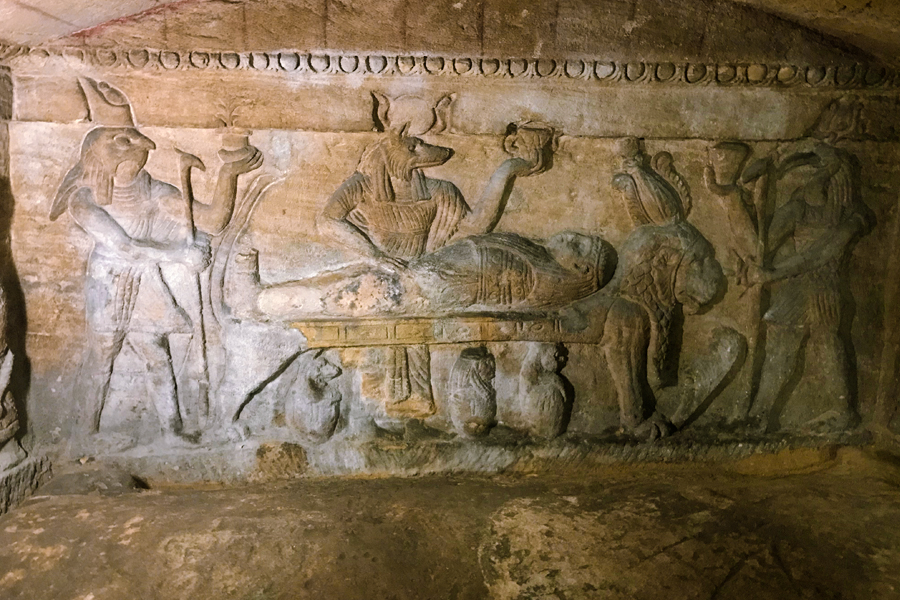
    The Catacombs of Kom El Shoqafa feature a remarkable architectural design that showcases the fusion of Roman and Egyptian styles. The catacombs are organized into three levels, with a central shaft leading to the burial chambers. Each level represents a different stage of the burial process.

    The uppermost level served as the entrance and reception area, adorned with impressive columns and statues. This area reflects the Roman architectural influence, with its grandeur and attention to detail. Returning to the second level, visitors will find a mix of Egyptian and Roman design elements. The Egyptian influence is evident in the use of hieroglyphics and traditional Egyptian motifs, while the Roman influence is reflected in Roman arches and decorative motifs.

    The lowest level, the final resting place of the deceased, showcases the pinnacle of the catacombs’ artistic splendor. Intricate carvings and sculptures adorn the walls, depicting mythological figures, religious symbols, and scenes from everyday life. The blend of Roman and Egyptian artistic styles is particularly evident in these carvings, showcasing the cultural exchange that took place during the catacombs’ construction.

    Exploration of the Catacombs

    As you embark on your journey to explore the Catacombs of Kom El Shoqafa, you will immerse yourself in a captivating world of ancient wonders. This underground necropolis holds a rich tapestry of history and culture waiting to be discovered by intrepid visitors like yourself.

    To ensure a safe and enriching exploration, it is highly recommended to enlist the services of a knowledgeable guide. Their expertise will provide valuable insights into the catacombs’ significance and ensure your safety while navigating the intricate passageways.

    As you descend into the catacombs, a sense of mystery and awe envelops you. The dimly lit corridors and chambers exude an atmosphere that transports you back in time. The air is filled with a palpable sense of antiquity as if the spirits of the past still linger in these hallowed halls.

    One of the most remarkable features of the catacombs is their labyrinthine layout. The related passages and chambers form a complex network that extends deep into the earth. It is easy to become disoriented within this maze, so having a guide is crucial to navigating the catacombs successfully.

    As you venture further into the catacombs, you will encounter various chambers with special surprises. The Hall of Caracalla, named after the Roman emperor Caracalla, is a grand space adorned with statues and intricate architectural details. Here, the blending of Roman and Egyptian styles is evident, showcasing the cultural fusion that defined the era.

    The Hall of Orpheus is another special chamber, where beautifully carved reliefs depict scenes from Greek mythology. These artistic masterpieces provide insights into the beliefs and values of the people of that time. The attention to detail and craftsmanship exhibited in these carvings is a testament to the skilled artisans who left their mark on this ancient burial site.

    Throughout your exploration, you will come across the Triclinium, a dining hall where mourners would gather to commemorate the deceased. This area is adorned with stunning mosaics, illustrating scenes of feasting and celebration. These intricate designs offer a glimpse into the burial customs and social rituals of the past, providing a deeper understanding of the lives of those laid to rest in the catacombs.

    While navigating the catacombs, it is essential to exercise caution and follow the guidance of your guide. Some areas may be uneven or slippery, so wearing comfortable footwear and being mindful of your surroundings is advised. The catacombs’ preservation is a delicate endeavor, and visitors play a crucial role in ensuring their longevity by respecting the site and refraining from touching or damaging any artifacts or structures.

    In conclusion, the Catacombs of Kom El Shoqafa offer a mesmerizing journey into the depths of history. From the intricate architectural design to the captivating artwork adorning the chambers, every aspect of the catacombs tells a story of the past. Exploring this unique archaeological site is a remarkable opportunity to connect with ancient civilizations, appreciate their cultural exchange, and gain a profound appreciation for the intricate tapestry of human history.

    Conclusion

    In conclusion, the Catacombs of Kom El Shoqafa stand as a testament to Egypt’s rich history and cultural heritage. Their discovery and subsequent exploration have shed light on blending of Roman and Egyptian cultures during the Greco-Roman period. The catacombs’ unique architectural design, blending Roman and Egyptian styles, captivates visitors. At the same time, the intricate carvings and artwork provide a window into the lives of those buried there.

    Visiting the Catacombs of Kom El Shoqafa is an unforgettable experience that allows you to immerse yourself in the ancient world and witness the cross-cultural influences that shaped the region’s history. The catacombs are a tangible link to the past, reminding us of the vibrant civilizations that thrived in Egypt centuries ago.

    To truly appreciate the wonder and significance of the Catacombs of Kom El Shoqafa, we encourage you to plan a visit and experience their captivating beauty for yourself. Prepare to be amazed as you journey through the depths of history, exploring this great archaeological site that continues to captivate and inspire visitors worldwide.

    As you conclude your exploration of the catacombs, take a moment to reflect on the significance of this site in Egyptian history and culture. The Catacombs of Kom El Shoqafa stand as a testament to the enduring legacy of ancient civilizations, and their preservation allows us to glimpse into the lives and beliefs of those who came before us.

    We encourage you to visit the Catacombs of Kom El Shoqafa and experience their wonder. Allow the mysteries of the past to envelop you as you traverse the labyrinthine corridors and immerse yourself in the history and culture of this unique archaeological site. The Catacombs of Kom El Shoqafa await, ready to unveil their secrets and transport.

    Related Articles to Read About:

Order via WhatsApp