Author: GEM Tours

  • Khan El Khalili Bazaar: Exploring the Heart of Egyptian Culture and History

    Khan El Khalili Bazaar: Exploring the Heart of Egyptian Culture and History

    Located in the heart of Cairo, Khan El Khalili Bazaar is a vibrant and bustling marketplace that has stood the test of time. With its rich history, diverse products, and cultural significance, it has become a must-visit destination for locals and tourists alike. This blog post aims to provide a comprehensive guide to Khan El Khalili Bazaar. It offers insights into its historical importance, shopping experiences, culinary delights, cultural experiences, and practical tips for visitors.

    The purpose of this blog post is to provide valuable information and insights for individuals planning to visit Khan El Khalili Bazaar. By delving into its history, shopping experiences, culinary offerings, cultural experiences, and practical tips, we aim to enhance the overall visitor experience and ensure that readers make the most of their time at this iconic marketplace.

    Importance of Khan El-Khalili Bazaar in Egyptian Culture

    Khan El Khalili Bazaar holds immense importance in Egyptian culture and history. It dates back to the 14th century when it was established as a major trading hub for merchants traveling along the Silk Road. Over the centuries, the bazaar has played a pivotal role in shaping Cairo’s cultural and economic landscape. Today, it is a symbol of Egypt’s rich heritage and a vibrant center for trade, art, and social interaction.

    The History of Khan El Khalili Bazaar

    Khan El Khalili Bazaar was established in the 14th century by Emir Djaharks el-Khalili during the Mamluk era. Its strategic location made it a significant trading hub, connecting Asia, Africa, and Europe. The bazaar was originally designed to accommodate caravans and traders, making it a vital stop along the historic Silk Road.

    Throughout history, Khan El Khalili Bazaar has witnessed the rise and fall of various empires and dynasties. It served as a meeting point for traders worldwide, facilitating the exchange of goods, ideas, and cultures. The bazaar also played a significant role in Cairo’s political and social fabric, attracting intellectuals, artisans, and tourists, all contributing to its vibrant atmosphere.

    Over the centuries, Khan El Khalili Bazaar has undergone several changes and developments. It has expanded and adapted to the city’s and its inhabitants’ evolving needs. While the bazaar still retains its traditional charm, it has embraced modernization, with the addition of trendy shops and cafes catering to a diverse range of visitors.

    Shopping at Khan El Khalili Bazaar

    1. Types of products available

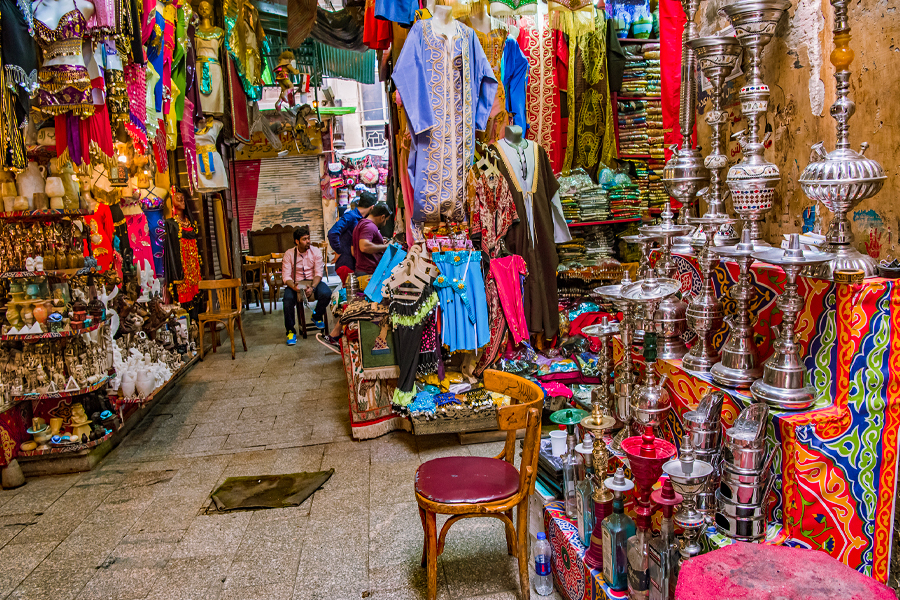
    Khan El Khalili Bazaar offers various products, from traditional handicrafts and souvenirs to exquisite jewelry, textiles, spices, and antiques. Visitors can explore shops selling vibrant carpets, intricately designed metalwork, intricate wood carvings, and unique Egyptian artifacts.

    2. Popular souvenirs and gifts

    Khan El Khalili Bazaar is a treasure trove of souvenirs and gifts for those looking to take a piece of Egypt’s rich culture and heritage home. Traditional items such as ornate hookahs, intricately painted papyrus art, aromatic oils, and authentic Egyptian clothing are popular among visitors.

    3. Bargaining and haggling tips for visitors

    Bargaining is an integral part of the shopping experience at Khan El Khalili Bazaar. Visitors should embrace the art of negotiation while keeping in mind that it is a friendly exchange rather than a competition. It is advisable to start with a lower price and gradually work towards a mutually agreeable amount. Remember to maintain a friendly and respectful attitude throughout the process.

    Food and Drink at Khan El Khalili Bazaar

    Traditional Egyptian cuisine is available

    Exploring Khan El Khalili Bazaar is incomplete without indulging in the tantalizing flavors of Egyptian cuisine. Visitors can savor traditional dishes such as koshari (a mix of rice, lentils, and pasta topped with spicy tomato sauce), falafel, shawarma, and various kebabs. Don’t forget to sample the mouthwatering Egyptian desserts, including baklava and konafa.

    Popular food and drink stalls

    The bazaar is dotted with food stalls and cafes that offer a delightful culinary experience. Enjoy a freshly brewed cup of traditional Egyptian coffee or mint tea while immersing yourself in the vibrant atmosphere. Savor the flavors of local street food, and delicacies served at renowned establishments such as Naguib Mahfouz Café and Fishawy Café, both cherished by locals and visitors alike.

    Recommendations for visitors

    To fully appreciate the culinary delights at Khan El Khalili Bazaar, exploring the local street food and traditional cafes is advisable. Engage with the locals to discover hidden gems and secret recipes. Don’t hesitate to try new dishes and embrace the authentic flavors of Egypt.

    Cultural Experiences at Khan El Khalili Bazaar

    1. Live music and entertainment

    Khan El Khalili Bazaar offers a rich cultural experience with live music performances that showcase traditional Egyptian music. Visitors can enjoy enchanting melodies played by local musicians, adding to the lively ambiance of the marketplace.

    2. Traditional dress and accessories

    Immerse yourself in the cultural fabric of Egypt by trying on traditional Egyptian attire and accessories available at the bazaar. Adorn yourself with intricately designed jewelry, try a traditional galabeya or a colorful belly-dancing costume, and capture memories reflecting the vibrant Egyptian culture.

    3. Religious and spiritual experiences at nearby mosques and shrines

    Khan El Khalili Bazaar is near several historic mosques and shrines with religious and spiritual significance. Visitors can explore the majestic Al-Azhar Mosque, one of the oldest universities in the world, or visit the serene Mosque of Ibn Tulun, known for its unique architectural design. These sacred sites offer a deeper understanding of Egypt’s religious and cultural heritage.

    Best times to visit Khan El Khalili

    To make the most of your visit to Khan El Khalili Bazaar, it is recommended to go during weekdays, preferably in the morning or late afternoon when the bazaar is less crowded. Avoid visiting on Fridays, as it tends to be busier due to the weekly Islamic prayer day.

    Safety and security considerations

    While Khan El Khalili Bazaar is generally safe, it is essential to remain vigilant and take basic precautions. Keep your belongings secure, be aware of your surroundings, and avoid displaying valuable items. It is advisable to dress modestly, respecting local customs and traditions.

    Getting to and from the bazaar

    Khan El Khalili Bazaar is easily accessible from various parts of Cairo. Visitors can take a taxi, use ride-hailing apps, or opt for public transportation. The bazaar is also within walking distance of major tourist attractions such as the Egyptian Museum and the Cairo Citadel.

    Khan El Khalili Bazaar is a testament to Egypt’s rich cultural heritage and historical significance. Its vibrant atmosphere, a diverse range of products, and immersive experiences make it an integral part of any visit to Cairo.

    We invite visitors to explore the sights, sounds, and flavors of Khan El Khalili Bazaar, immersing themselves in the enchanting world of Egyptian culture. Discover unique souvenirs, indulge in delicious cuisine, engage in cultural experiences, and create lasting memories.

    As you embark on your journey through Khan El Khalili Bazaar, embrace the spirit of adventure and curiosity. Interact with the locals, immerse yourself in the vibrant atmosphere, and be captivated by this iconic marketplace’s history, culture, and charm. Enjoy the magic of Khan El Khalili Bazaar, where the essence of Egypt comes alive.
    Read More of Cairo Attractions:

  • Ibn Tulun Mosque: Discovering the Magnificence of Islamic Architecture

    Ibn Tulun Mosque: Discovering the Magnificence of Islamic Architecture

    The Ibn Tulun Mosque, located in the heart of Cairo, Egypt, is a true marvel of Islamic architecture and holds an important place in the region’s history. Built in the 9th century, it is one of Egypt’s oldest and most well-preserved mosques. This blog post aims to explore the Ibn Tulun Mosque, shedding light on its historical background, architectural features, cultural significance, and practical information for visitors.

    This blog post aims to provide valuable information and insights for individuals interested in the Ibn Tulun Mosque. By delving into its historical background, architectural features, cultural significance, and practical tips for visitors, we aim to enhance the understanding and appreciation of this remarkable structure.

    Historical background of Ibn Tulun Mosque

    The Ibn Tulun Mosque holds great importance in Islamic history, representing a remarkable architectural and cultural achievement of the time. Its construction during the Abbasid era was a testament to the growing influence of the Islamic empire. The mosque served as a place of worship and a center for religious, cultural, and educational activities.

    The Ibn Tulun Mosque was commissioned by Ahmad Ibn Tulun, the founder of the Tulunid dynasty, during the 9th century. The mosque was built to serve as the centerpiece of his new capital, Al-Qata’i. Construction began in 876 CE and was completed in 879 CE, marking an important period in Islamic history.

    Architectural style and design

    The mosque showcases the architectural brilliance of the time. Its grand scale and unique design elements characterize it, blending Abbasid and traditional Egyptian architectural styles. The use of carved stucco, ornate woodwork, and beautiful geometric patterns reflects the influence of various cultures and artistic traditions.

    Significance of the mosque in Islamic Architecture

    The Ibn Tulun Mosque holds immense significance in the realm of Islamic architecture. Its design and layout became a prototype for subsequent mosques in Egypt and the wider Islamic world. The mosque’s open courtyard, central prayer hall, and distinctive minaret are architectural features that have influenced the construction of many mosques throughout history.

    The Features of Ibn Tulun Mosque

    1. Courtyard and minaret

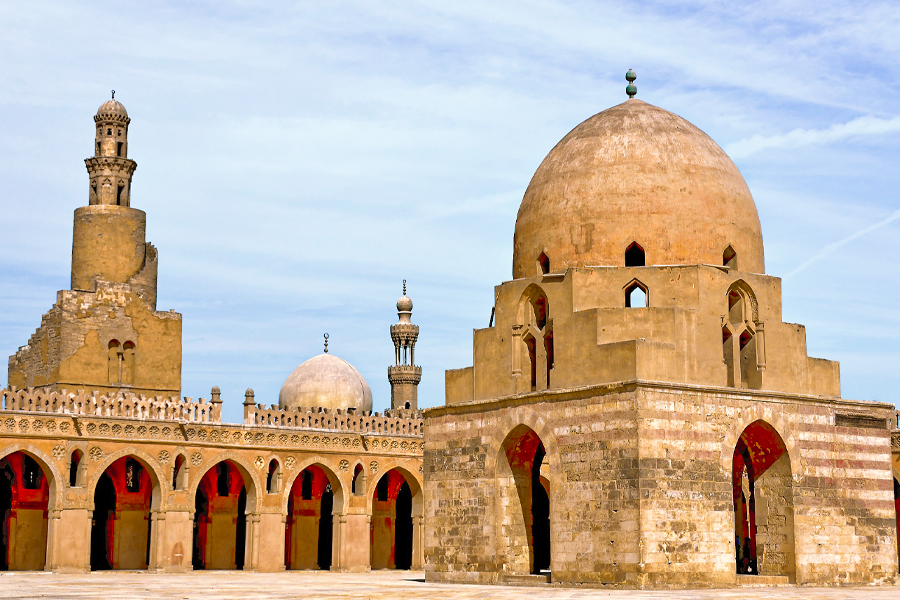
    The mosque boasts a spacious courtyard surrounded by arcades, providing a tranquil space for worshipers. The courtyard is adorned with graceful arches and decorative motifs, creating a serene atmosphere. Rising above the mosque is the iconic spiral minaret, which stands as a symbol of the mosque’s grandeur and architectural uniqueness.

    2. Interior design and decoration

    The interior of the Ibn Tulun Mosque is equally captivating. The main prayer hall features a high, vaulted ceiling adorned with intricately carved stucco and Quranic inscriptions. The mihrab, indicating the direction of Mecca, is beautifully embellished with geometric patterns and calligraphy. Natural light filtering through stained glass windows adds to the spiritual ambiance.

    3. Unique features of the mosque

    One notable feature of the Ibn Tulun Mosque is the spiral staircase located in the minaret. Visitors can climb the staircase, experiencing panoramic views of Cairo from the top. Additionally, the mosque houses a unique sabil (a public water dispenser) that provided drinking water to the community during the mosque’s early years.

    Cultural significance of Ibn Tulun Mosque

    Role of the mosque in Islamic Culture

    The Ibn Tulun Mosque played a pivotal role in Islamic culture, serving as a center for religious activities, education, and community gatherings. It provided a platform for scholars, theologians, and intellectuals to exchange knowledge and ideas, contributing to the intellectual and cultural development of the Islamic world.

    Importance of the mosque in Egyptian History

    The mosque holds great historical importance for Egypt as well. It is a testament to the country’s rich heritage and a reminder of its vibrant Islamic past. The mosque has witnessed the rise and fall of empires, political transformations, and social changes, making it a significant cultural landmark.

    Influence of the mosque on Islamic art and Architecture

    The Ibn Tulun Mosque’s architectural style has profoundly impacted subsequent Islamic art and architecture. Its design elements and structural features have been emulated in numerous mosques and buildings in Egypt and other parts of the Islamic world. The mosque’s influence extends to calligraphy, ornamentation, and spatial planning.

    Visiting the Mosque of Ibn Tulun

    The Ibn Tulun Mosque is situated in the Sayyida Zeinab neighborhood of Cairo, making it easily accessible for visitors. It is located within a short distance from other major attractions in the city.

    The mosque is open to visitors daily from morning until late afternoon, with specific prayer times observed. There is a nominal admission fee for non-worshipers, which contributes to the preservation and maintenance of the mosque.

    Tips for Visiting the Mosque

    When planning a visit to the Ibn Tulun Mosque, it’s helpful to keep the following tips in mind:

    • Dress modestly: As a place of worship, it is essential to dress modestly out of respect for the mosque and its visitors. Both men and women should cover their shoulders, arms, and legs. Women may consider bringing a scarf to cover their heads.
    • Remove shoes: Before entering the mosque, it is customary to remove them. Be prepared to take them off and place them in the designated areas.
    • Visit during prayer times: If you’re interested in witnessing the spiritual aspect of the mosque, try to time your visit during one of the prayer times. However, be respectful and avoid interrupting worshippers during their prayers.
    • Maintain a respectful demeanor: While exploring the mosque, it’s essential to maintain a quiet and respectful demeanor. Avoid talking loudly, using mobile phones, or engaging in disruptive behavior.
    • Take photographs respectfully: Photography is generally allowed in the mosque, but be mindful of the worshippers and the sanctity of the space. Avoid using flash and be considerate of others when taking pictures.
    • Follow instructions and guidelines: Pay attention to any instructions or guidelines provided by the mosque staff or posted signs. They are there to ensure a peaceful and orderly experience for all visitors.
    • Engage with history and architecture: Take the time to appreciate the historical and architectural features of the Ibn Tulun Mosque. Marvel at the intricate carvings, geometric patterns, and unique design elements that make it a masterpiece of Islamic architecture.
    • Explore the surroundings: The Ibn Tulun Mosque is located in the Sayyida Zeinab neighborhood of Cairo, which has charm and attractions. Consider exploring the surrounding area to enhance your visit and discover more about the local culture.
    • Be mindful of prayer times: Remember that a mosque is an active place of worship so certain areas may be restricted or closed off during prayer times. Plan your visit accordingly and be respectful of worshippers.
    • Seek guidance if needed: If you have any questions or need assistance during your visit, don’t hesitate to seek guidance from the mosque staff or volunteers. They are usually more than happy to provide information and help enhance your experience.

    By following these tips, you can ensure a respectful and enriching visit to the Ibn Tulun Mosque, immersing yourself in its beauty, history, and cultural significance.

    Conclusion

    The Ibn Tulun Mosque is a testament to Islamic civilization’s architectural brilliance and cultural heritage. Its historical significance, unique design, and cultural influence make it a true gem of Cairo.

    Visiting the Ibn Tulun Mosque is a journey through time, offering a glimpse into the artistic and cultural achievements of the Islamic world. The grandeur and serenity of the mosque create an unforgettable experience for visitors.

    We encourage all travelers and enthusiasts of Islamic art and architecture to visit the Ibn Tulun Mosque and immerse themselves in its beauty, history, and cultural significance. Exploring its architectural wonders and witnessing the spiritual ambiance will leave a lasting impression.

    Read More of Cairo Attractions:

  • Al-Azhar Mosque: A Beacon of Islamic History and Culture

    Al-Azhar Mosque: A Beacon of Islamic History and Culture

    At the heart of Cairo, Egypt, lies a remarkable architectural marvel and a symbol of Islamic heritage – the Al-Azhar Mosque. With its rich history and profound significance, Al-Azhar Mosque has become an iconic institution that continues to shape Islamic culture, education, and unity. In this article, we delve into the fascinating journey of this renowned mosque, exploring its history, significance, features, and role in modern society.

    History of Al-Azhar Mosque

    Al-Azhar Mosque was established in 970 AD during the reign of the Fatimid Caliphate. It was initially intended to serve as a center for teaching Ismaili Shia beliefs. However, over time, the mosque evolved into a renowned institution of Sunni Islam, representing the diverse tapestry of Islamic thought.

    Al-Azhar Mosque has witnessed numerous significant events and hosted prominent figures throughout its history. Scholars, theologians, and intellectuals have gathered within its walls to exchange knowledge and engage in scholarly debates. It has been a bastion of Islamic education and a nurturing ground for brilliant minds.

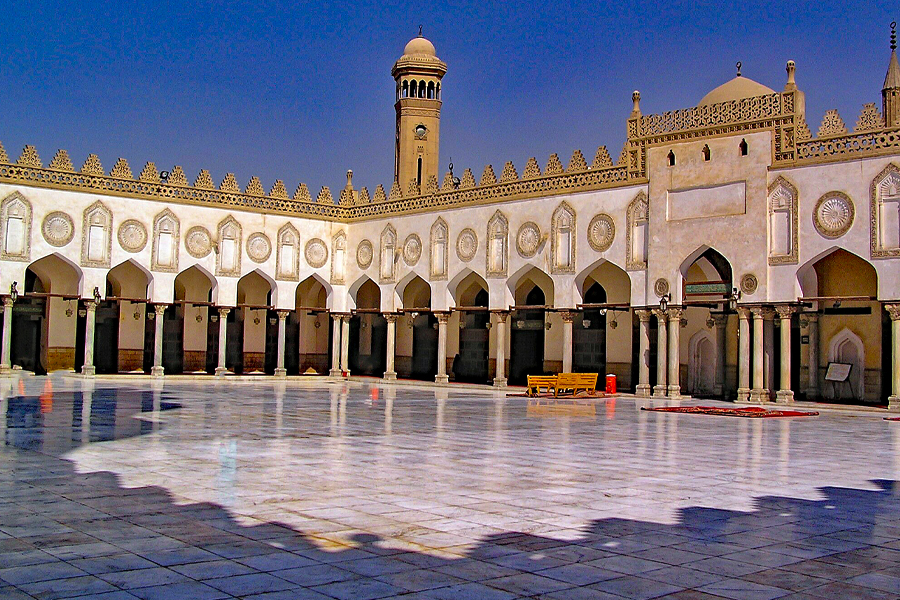
    Architecturally, Al-Azhar Mosque has undergone several renovations and expansions. The original structure featured a simple design, reflecting the Fatimid architectural style. Over the centuries, subsequent rulers and patrons enhanced the mosque’s aesthetics, adding minarets, domes, and intricate decorations, showcasing diverse architectural influences.

    The Importance of the Mosque as a Symbol of Islamic Unity

    The significance of Al-Azhar Mosque extends far beyond its architectural grandeur. As an educational institution, it has played a pivotal role in Islamic scholarship and learning. The mosque established Al-Azhar University, one of the world’s oldest universities, where students from various parts of the Muslim world pursue studies in Islamic sciences, Arabic language, law, and theology.

    Al-Azhar Mosque’s influence on Islamic culture and society cannot be overstated. Its teachings, disseminated by generations of scholars, have shaped Islamic thought and jurisprudence. It has been a catalyst for intellectual discourse and has fostered an environment that encourages critical thinking and the pursuit of knowledge.

    Moreover, Al-Azhar Mosque serves as a symbol of Islamic unity. It attracts visitors from all corners of the globe, representing the diversity of the Muslim ummah. People gather in its sacred space, transcending boundaries of nationality, race, and sect, fostering a sense of unity and shared purpose.

    Features of Al-Azhar Mosque

    Al-Azhar Mosque boasts many remarkable features that contribute to its architectural magnificence and create a serene and awe-inspiring atmosphere for visitors. Let’s explore the notable features of this iconic mosque:

    1. Architectural Design: The mosque’s architectural design showcases a harmonious blend of various historical periods and architectural styles. It embodies the artistic mastery of Islamic architecture and serves as a testament to the cultural richness of the Islamic world.

    2. Ornate Facade: The facade of Al-Azhar Mosque captivates with its intricate geometric patterns, delicate calligraphic inscriptions, and decorative elements. These adornments reflect the meticulous craftsmanship and attention to detail that characterizes Islamic art.

    3. Domes and Minarets: The domes and minarets above the mosque’s structure add grandeur to its silhouette. The domes are often adorned with decorative elements and feature a graceful curvature, while the minarets serve as iconic symbols of Islamic architecture and provide a visual landmark.

    4. Spacious Courtyards: Al-Azhar Mosque encompasses expansive courtyards that allow for a large gathering of worshippers. These courtyards offer a tranquil space for contemplation, reflection, and communal prayer, fostering a sense of unity and inclusivity.

    5. Interior Decorations: Visitors are greeted by a captivating array of decorative elements inside the mosque. Elaborate chandeliers illuminate the prayer halls, creating a warm and inviting ambiance. Intricate arabesque designs grace the walls, showcasing the mastery of Islamic craftsmanship.

    6. Mihrabs: The mosque’s prayer halls feature beautifully crafted mihrabs, which are niche-like structures that indicate the direction of Mecca, the holiest site in Islam. These mihrabs often exhibit intricate calligraphy and geometric patterns, symbolizing the spiritual focus of worshippers during prayer.

    7. Mosaic and Tile Work: Al-Azhar Mosque showcases exquisite mosaic and tile work throughout its interior. Vibrant colors and intricate patterns adorn the walls and ceilings, creating a visually stunning environment that immerses visitors in the beauty of Islamic art.

    8. Courtyard Fountains: Adding a touch of serenity, the mosque’s courtyards often feature fountains. The sound of flowing water creates a soothing atmosphere, enhancing the spiritual experience of visitors.

    9. Functional Layout: The layout of Al-Azhar Mosque is designed to accommodate many worshippers. It features spacious prayer halls, separate areas for men and women, and designated spaces for ablution (ritual cleansing) before prayer. The thoughtful arrangement facilitates ease of movement and a smooth flow of worshippers during congregational prayers.

    10. Spiritual Atmosphere: Al-Azhar Mosque exudes a profound spiritual atmosphere beyond its physical features. The tranquility and sense of devotion that permeates its halls make it a sanctuary where worshippers can connect with their faith and find solace.

    These features collectively contribute to the architectural splendor and spiritual significance of Al-Azhar Mosque. They embody the rich heritage of Islamic art and culture, attracting visitors worldwide to experience the beauty and tranquility of this iconic place of worship.

    The current state of Al-Azhar Mosque and its Role in Modern Society

    The Al-Azhar Mosque, in its current state, remains a vibrant and influential institution within modern society. It continues to serve as a center for Islamic education, scholarship, and spiritual guidance. The mosque plays a crucial role in various aspects of contemporary society, fostering interfaith dialogue, promoting tolerance, and addressing contemporary challenges Muslims face worldwide.

    One of the significant roles of the Al-Azhar Mosque today is its continued commitment to Islamic education. Al-Azhar University, affiliated with the mosque, offers various educational programs, including undergraduate and postgraduate degrees in Islamic studies, Arabic language, law, and theology. These programs attract students from around the globe, seeking to deepen their understanding of Islam and contribute to their communities’ intellectual and spiritual development.

    Moreover, Al-Azhar Mosque actively engages in promoting interfaith dialogue and understanding. It hosts conferences, seminars, and cultural events that bring together scholars, religious leaders, and individuals from different religious backgrounds. Through these initiatives, the mosque aims to bridge gaps, foster mutual respect, and facilitate peaceful coexistence among people of different faiths.

    The Al-Azhar Mosque also plays a vital role in addressing contemporary issues Muslims face worldwide. It provides guidance and religious rulings (fatwas) on matters such as ethics, social justice, and individual conduct, thereby guiding Muslims in navigating the complexities of modern life while staying true to their religious values.

    Additionally, the mosque serves as a platform for addressing pressing social issues, including poverty, human rights, and gender equality. Al-Azhar scholars actively contribute to public discourse, advocating for social justice and championing the rights of marginalized communities. Their teachings and advocacy work significantly impact shaping public opinion and influencing policies in various areas.

    Al-Azhar Mosque represents a powerful voice of moderation and understanding in global affairs. It condemns extremism, terrorism, and any violence committed in the name of Islam. The mosque actively promotes the true teachings of Islam, emphasizing the values of compassion, tolerance, and peaceful coexistence.

    Efforts to preserve and maintain the Al-Azhar Mosque for future generations are paramount. The mosque’s administration and the Egyptian government collaborate to ensure the ongoing restoration and maintenance of the mosque’s architectural heritage. By preserving its physical structure, the mosque continues to serve as a symbol of historical significance and a testament to the rich Islamic heritage.

    Conclusion

    In conclusion, Al-Azhar Mosque stands as a testament to the Islamic world’s rich history, culture, and intellectual contributions. It’s founding in 970 AD and subsequent evolution have shaped Islamic education, scholarship, and culture. The mosque’s architecture and design captivate visitors, while its role in promoting interfaith dialogue and unity fosters a deeper understanding of Islam. Al-Azhar Mosque’s significance transcends time and borders, representing a beacon of Islamic history and culture that inspires and guides future generations.

    Read More of Cairo Attractions:

  • Muizz Street: Cairo’s Historic Gem and Cultural Hub

    Muizz Street: Cairo’s Historic Gem and Cultural Hub

    Muizz Street, also known as Al-Muizz li-Din Allah Street, is a historic thoroughfare in the heart of Cairo, Egypt. Stretching over a mile, it has witnessed centuries of captivating history. It has emerged as a vibrant center of culture and heritage. In this article, we will delve into the rich tapestry of Muizz Street, exploring its historical landmarks, beautiful art and architecture, delightful food and shopping options, and the diverse events and activities that make it a must-visit destination for travelers.

    The Historical landmarks on Muizz Street

    1. Al-Azhar Mosque and University

    Muizz Street has several historical landmarks that testify to Cairo’s glorious past. Among these treasures is the renowned Al-Azhar Mosque and University, one of the oldest educational institutions in the world. Its beautiful architecture and tranquil courtyards have attracted scholars and students for centuries.

    3. Bayt al-Suhaymi

    Another remarkable structure on Muizz Street is Bayt al-Suhaymi, a beautifully preserved 17th-century house that provides a glimpse into the traditional Egyptian way of life. Bayt al-Suhaymi offers visitors a chance to step back in time and experience the grandeur of a bygone era with its intricate woodwork, stunning courtyards, and elegant interiors.

    4. Al-Hakim Mosque

    The Al-Hakim Mosque, known for its imposing minarets and intricate stonework, is another architectural marvel on Muizz Street. Built in the 11th century, this mosque has survived the test of time and symbolizes Cairo’s religious and cultural heritage.

    5. Qalawun Complex

    The Qalawun Complex, consisting of a mosque, madrasa (theological school), and mausoleum, is an impressive ensemble of Mamluk architecture. It’s a striking design, and exquisite decorations showcase the skilled craftsmanship of the era.

    6. Bab Zuweila

    Finally, Bab Zuweila, one of the ancient gates of Cairo, marks the southern entrance to Muizz Street. This iconic gateway, with its towering minarets and fortified walls, has been a guardian of the city since medieval times.

    Art and architecture on Muizz Street

    Muizz Street is a treasure trove of Islamic art and architecture. Throughout the street, visitors can admire the mesmerizing beauty of Islamic calligraphy, which adorns the facades of many buildings. These intricate writings often verses from the Quran, showcase Islamic culture’s deep reverence for language and spirituality.

    The architecture along Muizz Street predominantly reflects the Mamluk era, known for its architectural prowess. The buildings feature ornate carvings, intricate geometric patterns, and stunning domes and arches. Each structure tells a story of the Mamluk dynasty’s grandeur and the architectural sophistication of the time.

    In recent years, restoration projects have been undertaken to preserve the historical integrity of Muizz Street. These initiatives aim to revitalize the area, enhance its beauty, and ensure that future generations can continue appreciating its cultural significance. The restoration efforts have preserved the architectural marvels and breathed new life into the street, making it an enchanting destination for locals and tourists alike.

    Food and shopping on Muizz Street

    Traditional Egyptian cuisine

    Exploring Muizz Street is an opportunity to savor the flavors of traditional Egyptian cuisine. Numerous restaurants and street vendors along the street offer a delightful array of dishes, from aromatic kebabs and hearty falafel sandwiches to delectable Egyptian sweets. Visitors can indulge in authentic flavors while enjoying the ambiance of this historic setting.

    Souvenirs and handicrafts 

    Muizz Street is a shopper’s paradise for those seeking unique souvenirs and handicrafts. The bustling markets and bazaars showcase many traditional crafts, including intricate metalwork, vibrant textiles, exquisite ceramics, and beautiful jewelry. These treasures make for perfect mementos to remember the enchantment of Muizz Street and Cairo.

    Events and activities on Muizz Street

    Muizz Street offers a vibrant array of events and activities that cater to the interests of visitors and locals alike. From guided tours to cultural festivals, the street provides numerous opportunities to engage with Cairo’s rich heritage and immerse oneself in its lively atmosphere.

    1. Walking tours and guided visits

    Walking tours and guided visits are highly recommended for those wishing to explore Muizz Street in-depth. Knowledgeable guides lead visitors through the maze of alleyways, shedding light on the historical significance and architectural marvels that line the street. These tours provide valuable insights into the stories behind the landmarks, giving visitors a deeper appreciation for Cairo’s cultural heritage.

    2. Cultural festivals and celebrations

    Muizz Street hosts cultural festivals and celebrations throughout the year that showcase Egypt’s vibrant traditions. These events bring the street to life with music, dance, theatrical performances, and interactive workshops. Visitors can witness stunning displays of traditional arts and crafts, listen to enchanting melodies, and participate in cultural activities that offer a glimpse into the soul of Egypt.

    3. Local Markets and Bazaars

    One of the most popular activities on Muizz Street is exploring the local markets and bazaars. These bustling marketplaces offer a feast for the senses, with vendors selling a wide range of products, from traditional handicrafts and souvenirs to aromatic spices and flavorful street food. Visitors can meander through the markets, haggling for unique treasures and immersing themselves in the vibrant atmosphere of Cairo’s bustling commerce.

    4. Nightlife and entertainment options

    For those seeking a taste of Cairo’s nightlife, Muizz Street offers an array of entertainment options. The street is home to lively cafes, charming restaurants, and traditional music venues where visitors can unwind, enjoy delicious Egyptian delicacies, and experience the enchanting ambiance of the city after dark. Live performances featuring traditional music and dance are often staged, creating an immersive experience for visitors to immerse themselves in Egypt’s rich cultural heritage.

    In addition to organized events and activities, simply strolling along Muizz Street is an experience. The street’s captivating architecture, intricate details, and vibrant ambiance provide a unique backdrop for leisurely walks and exploration. Visitors can take their time, absorb the atmosphere, and discover hidden gems at their own pace.

    Muizz Street offers diverse events and activities that cater to different interests and provide an immersive experience of Cairo’s cultural heritage. Whether joining a guided tour, participating in a cultural festival, exploring the markets, or simply soaking in the street’s vibrant atmosphere, there are countless opportunities for visitors to engage with the rich history and lively spirit of Muizz Street.

    Muizz Street’s Importance and Attractions

    Muizz Street is a testament to Cairo’s rich history and cultural heritage. Its historical landmarks, exquisite art and architecture, delightful food and shopping options, and diverse events and activities make it a must-visit destination for anyone interested in exploring the true essence of Egypt.

    Muizz Street offers a unique blend of ancient treasures and contemporary experiences, from the majestic Al-Azhar Mosque to the vibrant markets. The street’s restoration projects have revitalized the area, ensuring its allure remains intact for generations.

    We encourage you to visit Muizz Street and journey through time. Immerse yourself in the splendor of its historical landmarks, savor the flavors of traditional Egyptian cuisine, explore the vibrant markets, and partake in cultural festivals and celebrations. Muizz Street awaits, ready to captivate your senses and leave you with lasting memories of Cairo’s vibrant past and present.

    Read More of Cairo Attractions:

  • The Aswan Unfinished Obelisk: A Testament to Ancient Egyptian Engineering and Culture

    The Aswan Unfinished Obelisk: A Testament to Ancient Egyptian Engineering and Culture

    The Aswan Unfinished Obelisk is a remarkable testament to ancient Egypt’s engineering prowess and rich cultural heritage. With its towering presence and intricate carvings, this magnificent structure holds immense importance and significance in the annals of history. This article will explore the background, historical context, physical characteristics, construction process, abandonment, rediscovery, current location and preservation, symbolism, cultural significance, comparison with other obelisks, and its impact on tourism. Join us on this journey as we unravel the fascinating story of the Aswan Obelisk.

    Background of the Aswan Unfinished Obelisk

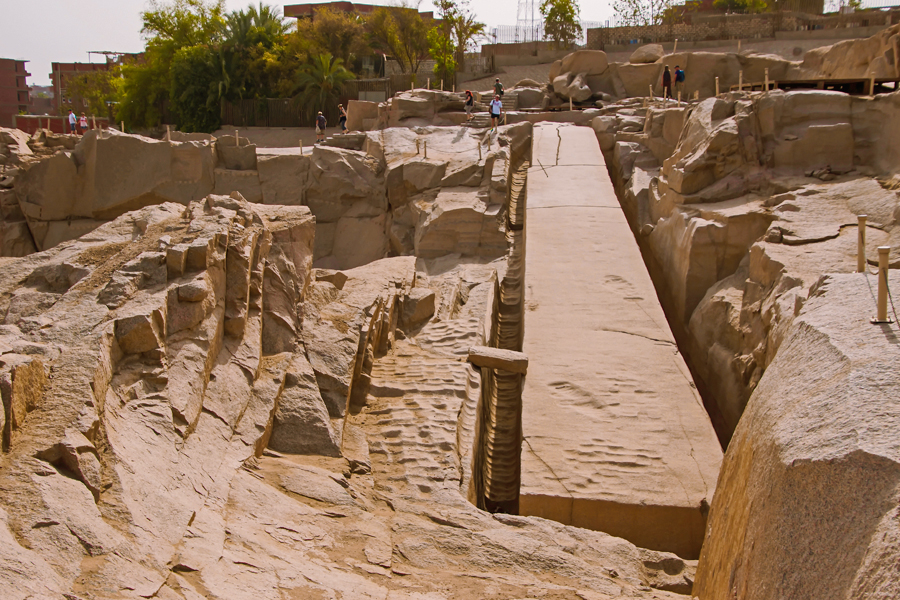
    The Aswan Obelisk, also known as the Unfinished Obelisk, is a monumental stone pillar in an ancient quarry in Aswan, Egypt. It is one of the largest known ancient obelisks and provides a glimpse into the grandeur of Egyptian architecture and craftsmanship. This monolithic structure was commissioned during the reign of Pharaoh Hatshepsut, around 1470 BC, but was left unfinished due to a flaw discovered during its quarrying process.

    Importance and Significance of the Unfinished Obelisk

    The Aswan Unfinished Obelisk holds immense historical and cultural significance. Obelisks were considered sacred in ancient Egypt and served as symbols of the sun god Ra, representing his rays of light and the connection between the pharaohs and the divine. They were also erected to commemorate important events and display the ruling pharaohs’ power and might. The Aswan Obelisk, although unfinished, provides valuable insights into ancient Egypt’s architectural techniques and religious beliefs.

    Historical Context

    Construction Period and Location

    The Aswan Unfinished Obelisk was carved during the New Kingdom period, specifically during the reign of Pharaoh Hatshepsut, who ruled from 1479 to 1458 BC. It was hewn directly from the granite quarry in Aswan, situated on the eastern bank of the Nile River. Aswan was renowned for its high-quality granite, which was highly sought after for various construction projects in ancient Egypt.

    Purpose and Intended Function

    Obelisks had both religious and ceremonial functions in ancient Egypt. They were erected to honor deities and to commemorate significant events such as military victories or the crowning of a pharaoh. The Aswan Obelisk was likely intended to be erected at the Karnak Temple complex in Luxor, which served as a religious center during the New Kingdom period.

    Physical Characteristics

    Dimensions and Weight of the Obelisk

    In its unfinished state, the Aswan Obelisk measures approximately 42 meters (138 feet) in length and would have weighed an estimated 1,200 tons if completed. Its sheer size and weight highlight the incredible engineering feats accomplished by the ancient Egyptians.

    Materials Used in Its Construction

    The Aswan Unfinished Obelisk was carved from a single piece of red granite, a durable and prized material in ancient Egypt. Red granite was often used for monumental structures due to its strength and resistance to weathering.

    Architectural Features and Decorations

    The Aswan Obelisk, though incomplete, showcases the exquisite craftsmanship and attention to detail of ancient Egyptian artisans. Carvings and inscriptions on obelisks typically depicted religious scenes, hieroglyphs, and symbols associated with the pharaoh’s power and authority. Had the Unfinished Obelisk been finished, it would have featured intricate engravings representing the reign of Hatshepsut.

    Construction Process

    Quarrying and Extraction of the Obelisk

    The quarrying and extracting of the Aswan Obelisk was an extraordinary endeavor that required meticulous planning and skilled labor. Ancient Egyptians used a technique known as “pecking and splitting” to carve out the obelisk from the granite bedrock. Wedges and wooden levers were used to create fractures along the desired lines, and then the obelisk was carefully shaped by chiseling away the excess granite.

    Techniques and Tools Employed

    The ancient Egyptians employed various tools to shape and carve the obelisk, including copper chisels, stone hammers, and wooden mallets. They also used grinding stones and sand to smooth and polish the surface. Considering the limited tools available during that time, the precision and skill required for such work are awe-inspiring.

    Challenges Faced During Construction

    The construction of the Aswan Unfinished Obelisk was not without its challenges. The flaw discovered during the quarrying process, a large crack that appeared, prevented its completion. Such flaws were difficult to detect beforehand, and their presence could render the entire obelisk useless. Consequently, the obelisk was abandoned and left in the quarry, providing modern-day archaeologists with valuable insights into ancient quarrying techniques.

    Abandonment and Rediscovery

    Reasons for Abandoning the Aswan Obelisk

    The discovery of the crack in the Aswan Obelisk posed insurmountable challenges in its completion. The ancient Egyptians deemed it unfeasible to transport and erect an obelisk with such a significant flaw. As a result, the obelisk was abandoned in the quarry, preserving a unique snapshot of the ancient quarrying process.

    Historical Accounts of Its Rediscovery

    The rediscovery of the Aswan Obelisk occurred during the modern era. In the 19th century, archaeologists and explorers began uncovering ancient Egyptian monuments and artifacts, including the Aswan Unfinished Obelisk. The obelisk’s presence in the quarry provided valuable insights into ancient construction techniques and became a subject of study and fascination for scholars worldwide.

    Current Location and Preservation

    Relocation of the Obelisk

    Although the Aswan Obelisk remains in its original quarry, several other ancient obelisks were transported to various locations worldwide. One of the most famous obelisks, Cleopatra’s Needle, was moved from Egypt to London and New York City. The Aswan Obelisk, however, remains in its original location, serving as a historical site and a testament to ancient Egyptian craftsmanship.

    Preservation Efforts and Conservation Measures

    Preserving ancient monuments like the Aswan Obelisk is of utmost importance. The obelisk is exposed to natural elements and weathering, necessitating conservation efforts. Protective coverings, maintenance, and periodic inspections help ensure the obelisk’s longevity and safeguard it for future generations to appreciate and study.

    Symbolism and Cultural Significance

    Historical and Religious Symbolism

    In ancient Egypt, obelisks held significant religious and symbolic significance. They were considered representations of the sun god Ra and were associated with his life-giving rays. Obelisks also symbolized the power and authority of the pharaohs, serving as a visible manifestation of their close connection with the divine.

    Influence on Ancient Egyptian and Subsequent Cultures

    The obelisks of ancient Egypt have profoundly influenced subsequent cultures and architectural styles. The awe-inspiring size and intricate carvings of the Aswan Obelisk and other Egyptian obelisks have inspired countless artists, architects, and designers throughout history. The obelisk’s influence can be seen in various structures worldwide, reflecting the enduring impact of ancient Egyptian culture.

    Comparison with Other Obelisks

    Contrasting Features and Characteristics

    The Aswan Obelisk differs from other obelisks in terms of its unfinished state. While many obelisks were completed and erected, the Aswan Obelisk remains a unique example of an unfinished monument. This distinctive characteristic allows us to gain insights into the construction process and provides a glimpse into the challenges faced by ancient Egyptian craftsmen.

    Relationship with Other Obelisks in Egypt and Worldwide

    The Aswan Obelisk is part of a larger collection of ancient Egyptian obelisks scattered across Egypt and various countries worldwide. These obelisks serve as cultural and historical links to ancient Egypt and continue to fascinate people from all corners of the globe.

    Tourism and Visitor Experience

    Accessibility and Tourist Attractions around the Obelisk

    The Aswan Obelisk, located in the ancient quarry in Aswan, offers a unique experience for visitors. Tourists can explore the quarry site, marvel at the enormous size of the Unfinished Obelisk, and gain insights into ancient quarrying techniques. Aswan is a vibrant city with several other tourist attractions, including the Philae Temple, the Nubian Museum, and the beautiful Nile River.

    Significance of Cultural Tourism in the Region

    The Aswan Unfinished Obelisk contributes significantly to cultural tourism in the region. It serves as a window into ancient Egyptian history, attracting tourists seeking to explore this ancient civilization’s wonders. With its intriguing story and architectural grandeur, the obelisk enhances the overall tourist experience and provides a deeper understanding of ancient Egyptian culture.

    The Aswan Obelisk is a remarkable testament to the ancient Egyptian civilization’s architectural prowess, religious beliefs, and cultural heritage. Its unfinished state adds to its allure, allowing us to glimpse into the construction techniques and challenges faced by the ancient Egyptians. Preserved in its original quarry, the obelisk is a tangible link to the past and continues to captivate visitors worldwide. The Aswan Obelisk’s historical and architectural importance and lasting cultural value ensure that it remains an iconic symbol of ancient Egypt for generations to come.

    Related Articles You Might Find Interesting:

Order via WhatsApp