Author: GEM Tours

  • Pompey’s Pillar: A Historic Monument in Alexandria

    Pompey’s Pillar: A Historic Monument in Alexandria

    Pompey’s Pillar stands tall as a remarkable monument in the ancient city of Alexandria, Egypt. As one of the most iconic structures in the region, it carries a rich history that captivates visitors from around the world. This article explores Pompey’s Pillar’s fascinating past, architecture, and significance, shedding light on its importance both in ancient times and the modern era.

    The History of Pompey’s Pillar

    Pompey’s Pillar was constructed during the reign of the Roman Emperor Diocletian in the 4th century AD. Despite its name, the pillar has no direct connection to the Roman general Pompey the Great. Standing at approximately 28 meters, the column was initially built as a memorial for an unknown Roman official or military commander.

    One intriguing legend surrounding Pompey’s Pillar suggests that the head of Pompey the Great was buried beneath the pillar. However, historical evidence disproves this claim, highlighting the pillar’s unrelated origins. Over the centuries, the pillar faced natural wear and tear, but it was extensively restored in the 20th century, ensuring its preservation for future generations.

    Architecture and Design of Pompey’s Pillar

    Height and Dimensions of the Pillar

    Pompey’s Pillar stands as a testament to the skilled craftsmanship of its time. The pillar’s height of 28 meters makes it one of the tallest ancient monoliths in the world. Constructed from a single piece of red granite weighing an astonishing 285 tons, it showcases the mastery of ancient Egyptian stonecutters.

    The Unique Design of the Pillar and its Significance

    The design of Pompey’s Pillar is a remarkable fusion of Egyptian and Greco-Roman styles. The lower part of the pillar features a square pedestal with intricate carvings and hieroglyphics, paying homage to Egyptian traditions. The upper section transforms into a Corinthian-style capital, embodying the Roman influence prevalent during its construction.

    The Significance of Pompey’s Pillar

    1. The Importance of the Pillar in Ancient Times

    During ancient times, Pompey’s Pillar was a prominent landmark and a testament to the Roman presence in Alexandria. It marked the entrance to the ancient Serapeum, a temple complex dedicated to the god Serapis. The pillar’s grandeur and strategic location showcased the power and influence of the Roman Empire.

    2. The Role of Pompey’s Pillar in Modern-Day Alexandria

    In modern-day Alexandria, Pompey’s Pillar holds immense cultural and historical significance. It stands as a symbol of the city’s rich heritage and attracts tourists and history enthusiasts from around the globe. The pillar also plays a crucial role in promoting tourism in Alexandria, contributing to the local economy and fostering a deeper appreciation for Egypt’s ancient past.

    Visiting Pompey’s Pillar

    Tips for visiting Pompey’s Pillar

    1. Please wear comfortable shoes: Pompey’s Pillar involves some walking, so it’s advisable to wear comfortable footwear to ensure a pleasant experience.

    2. Dress appropriately: As you’ll be visiting a historical site, dressing modestly and respectfully is recommended. Consider wearing clothes covering your shoulders and knees, especially if you visit nearby religious sites.

    3. Stay hydrated: Alexandria can get hot, especially during the summer months. Carry a bottle of water with you to stay hydrated throughout your visit.

    4. Hire a tour guide: To make the most of your visit, consider hiring a knowledgeable tour guide. They can provide valuable insights into the history and significance of Pompey’s Pillar, enhancing your understanding and appreciation of the site.

    5. Take your time: Pompey’s Pillar is an ancient monument with a rich history. Take your time to explore the site, read the informative signage, and absorb the atmosphere. Don’t rush through your visit; immerse yourself fully in the experience.

    6. Capture the moment: Pompey’s Pillar offers fantastic photo opportunities. Don’t forget to bring your camera or smartphone to capture the beauty of the pillar and its surroundings. Remember to be respectful of other visitors and follow any photography guidelines or restrictions in place.

    7. Be mindful of preservation: As you explore Pompey’s Pillar, remember that it is an ancient monument that requires preservation. Avoid touching or climbing on the pillar, and follow any instructions or signs provided to protect the site for future generations.

    8. Respect the surroundings: Pompey’s Pillar is in a public space, so be mindful of other visitors. Keep noise levels to a minimum, and be considerate of those around you. Additionally, dispose of trash responsibly to help maintain the cleanliness of the area.

    9. Plan your visit: Consider visiting Pompey’s Pillar during the early morning or late afternoon when the temperature is cooler. Weekdays outside of peak tourist seasons are often less crowded, providing a more relaxed and enjoyable experience.

    10. Learn about the history: Before your visit, familiarize yourself with the history of Pompey’s Pillar. Understanding its significance will allow you to appreciate the site on a deeper level and make your visit more rewarding.

    By following these tips, you can make the most of your visit to Pompey’s Pillar and create lasting memories of this unique historical site.

    The best time to visit Pompey’s Pillar

    The best time to visit Pompey’s Pillar is early morning or late afternoon, as the temperature is relatively cooler, allowing for a more enjoyable experience. Additionally, visiting on weekdays outside peak tourist seasons can help avoid crowds and allow for a more personal site exploration.

    Other nearby attractions to visit while in Alexandria

    While in Alexandria, visitors can take advantage of the city’s wealth of attractions. Some notable nearby landmarks include the Catacombs of Kom El Shoqafa, the Bibliotheca Alexandrina, and the Qaitbay Citadel. Each site offers a unique glimpse into Egypt’s rich history and complements a visit to Pompey’s Pillar.

    1. Catacombs of Kom El Shoqafa: Located just a short distance from Pompey’s Pillar, the Catacombs of Kom El Shoqafa are an underground necropolis dating back to the 2nd century AD. Explore the intricate burial chambers, impressive architecture, and fascinating blend of Egyptian, Greek, and Roman influences.

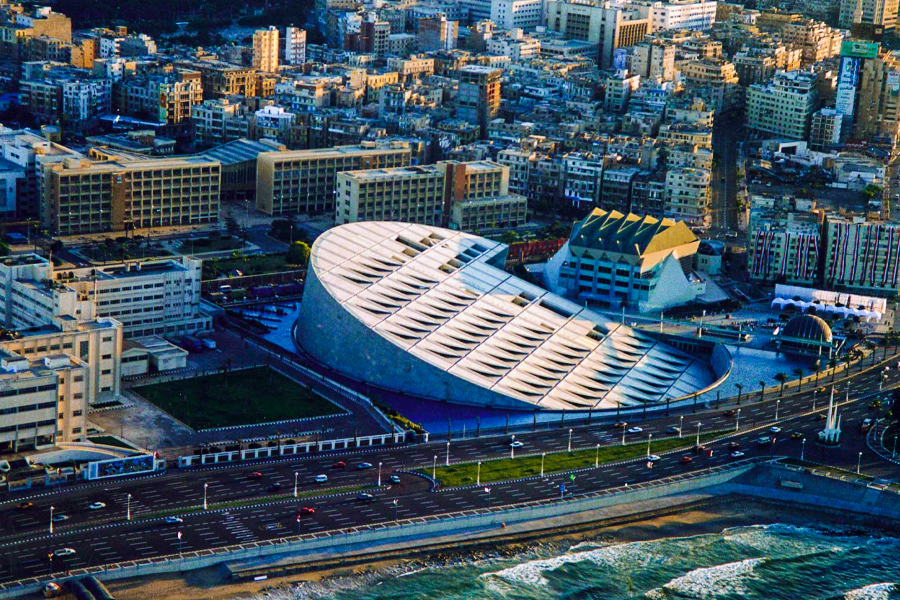
    2. Bibliotheca Alexandrina: A modern marvel honoring the ancient Library of Alexandria, the Bibliotheca Alexandrina is a vast library and cultural center. Discover its extensive collection of books, manuscripts, and artifacts, and explore its striking contemporary architecture.

    3. Qaitbay Citadel: Situated on the Mediterranean coast, the Qaitbay Citadel is a 15th-century fortress built on the site of the ancient Pharos Lighthouse. It offers panoramic views of the city and the sea and a glimpse into Alexandria’s maritime history.

    4. Montaza Palace: This royal palace complex is known for its beautiful gardens and stunning views of the Mediterranean. Stroll through the manicured grounds, enjoy the picturesque scenery, and visit the Salamlek Palace and Al-Haramlik Palace within the complex.

    5. Roman Amphitheater: Unearthed in the early 1960s, the Roman Amphitheater is a historical gem located in the Kom El Dikka area of Alexandria. Marvel at the well-preserved ruins of the ancient theater, which once hosted grand performances and gladiatorial contests.

    Conclusion

    Pompey’s Pillar in Alexandria is a testament to the city’s rich historical tapestry. The pillar continues enthralling visitors and inspiring awe with its captivating history, unique architecture, and cultural significance. As a timeless symbol of Alexandria’s heritage, Pompey’s Pillar reminds us of preserving ancient monuments and safeguarding our connection to the past. A visit to this beautiful site promises an unforgettable journey into Egypt’s glorious past.

    Related Articles to Read About:
  • The Catacombs of Kom El Shoqafa: Exploring Ancient Wonders

    The Catacombs of Kom El Shoqafa: Exploring Ancient Wonders

    The Catacombs of Kom El Shoqafa, located in Alexandria, Egypt, are an extraordinary testament to ancient Egypt’s rich history and cultural heritage. This intricate burial site, known as the Catacombs of Kom El Shoqafa, holds immense significance for Roman and Egyptian cultures. As one of the Seven Wonders of the Middle Ages, these catacombs provide a captivating glimpse into the past, preserving the legacy of a bygone era.

    How the Catacombs of Kom El Shoqafa were discovered

    The Catacombs of Kom El Shoqafa were accidentally discovered in 1900 when a donkey fell into a concealed shaft. This fortuitous event led to the unearthing of an intricate network of tombs dating back to the 2nd century AD. The catacombs were constructed as a burial site for a wealthy Alexandrian family, blending elements of Roman and Egyptian cultures.

    The purpose of these catacombs was to provide an elaborate resting place for the deceased, incorporating both Roman and Egyptian burial practices. The blending of architectural styles reflected the cultural fusion that occurred during the Roman rule of Egypt. It is believed that the catacombs were used for several generations before falling into disuse and eventually being lost to history.

    The Catacombs of Kom El Shoqafa’s significance extends to Roman and Egyptian cultures. For the Romans, the catacombs symbolize the assimilation of Egyptian traditions into their own. Meanwhile, the Egyptians, represent the cross-cultural exchange and the influence of Roman art and architecture during the Greco-Roman period. The catacombs stand as a testament to the intermingling of these two great civilizations.

    Architecture and Design

    The Catacombs of Kom El Shoqafa feature a remarkable architectural design that showcases the fusion of Roman and Egyptian styles. The catacombs are organized into three levels, with a central shaft leading to the burial chambers. Each level represents a different stage of the burial process.

    The uppermost level served as the entrance and reception area, adorned with impressive columns and statues. This area reflects the Roman architectural influence, with its grandeur and attention to detail. Returning to the second level, visitors will find a mix of Egyptian and Roman design elements. The Egyptian influence is evident in the use of hieroglyphics and traditional Egyptian motifs, while the Roman influence is reflected in Roman arches and decorative motifs.

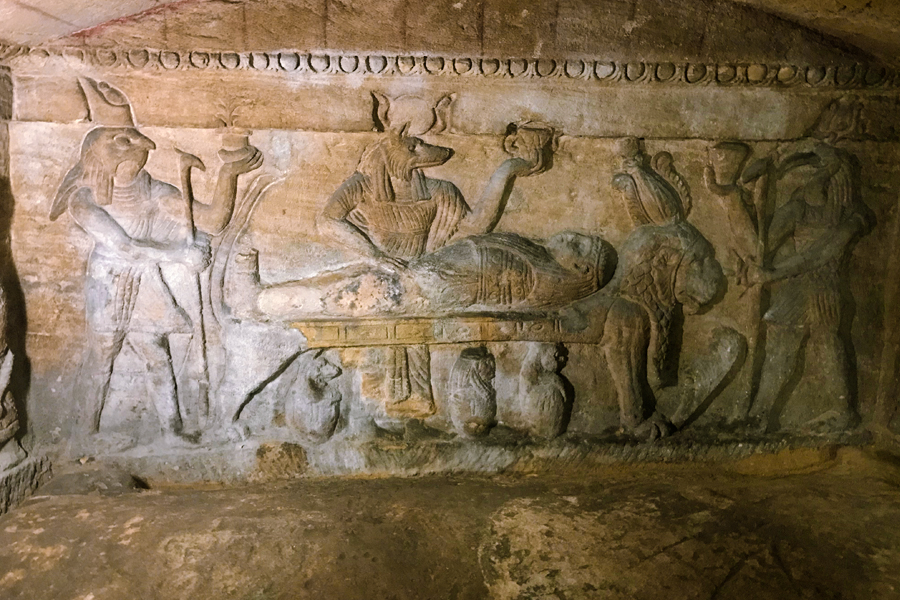
    The lowest level, the final resting place of the deceased, showcases the pinnacle of the catacombs’ artistic splendor. Intricate carvings and sculptures adorn the walls, depicting mythological figures, religious symbols, and scenes from everyday life. The blend of Roman and Egyptian artistic styles is particularly evident in these carvings, showcasing the cultural exchange that took place during the catacombs’ construction.

    Exploration of the Catacombs

    As you embark on your journey to explore the Catacombs of Kom El Shoqafa, you will immerse yourself in a captivating world of ancient wonders. This underground necropolis holds a rich tapestry of history and culture waiting to be discovered by intrepid visitors like yourself.

    To ensure a safe and enriching exploration, it is highly recommended to enlist the services of a knowledgeable guide. Their expertise will provide valuable insights into the catacombs’ significance and ensure your safety while navigating the intricate passageways.

    As you descend into the catacombs, a sense of mystery and awe envelops you. The dimly lit corridors and chambers exude an atmosphere that transports you back in time. The air is filled with a palpable sense of antiquity as if the spirits of the past still linger in these hallowed halls.

    One of the most remarkable features of the catacombs is their labyrinthine layout. The related passages and chambers form a complex network that extends deep into the earth. It is easy to become disoriented within this maze, so having a guide is crucial to navigating the catacombs successfully.

    As you venture further into the catacombs, you will encounter various chambers with special surprises. The Hall of Caracalla, named after the Roman emperor Caracalla, is a grand space adorned with statues and intricate architectural details. Here, the blending of Roman and Egyptian styles is evident, showcasing the cultural fusion that defined the era.

    The Hall of Orpheus is another special chamber, where beautifully carved reliefs depict scenes from Greek mythology. These artistic masterpieces provide insights into the beliefs and values of the people of that time. The attention to detail and craftsmanship exhibited in these carvings is a testament to the skilled artisans who left their mark on this ancient burial site.

    Throughout your exploration, you will come across the Triclinium, a dining hall where mourners would gather to commemorate the deceased. This area is adorned with stunning mosaics, illustrating scenes of feasting and celebration. These intricate designs offer a glimpse into the burial customs and social rituals of the past, providing a deeper understanding of the lives of those laid to rest in the catacombs.

    While navigating the catacombs, it is essential to exercise caution and follow the guidance of your guide. Some areas may be uneven or slippery, so wearing comfortable footwear and being mindful of your surroundings is advised. The catacombs’ preservation is a delicate endeavor, and visitors play a crucial role in ensuring their longevity by respecting the site and refraining from touching or damaging any artifacts or structures.

    In conclusion, the Catacombs of Kom El Shoqafa offer a mesmerizing journey into the depths of history. From the intricate architectural design to the captivating artwork adorning the chambers, every aspect of the catacombs tells a story of the past. Exploring this unique archaeological site is a remarkable opportunity to connect with ancient civilizations, appreciate their cultural exchange, and gain a profound appreciation for the intricate tapestry of human history.

    Conclusion

    In conclusion, the Catacombs of Kom El Shoqafa stand as a testament to Egypt’s rich history and cultural heritage. Their discovery and subsequent exploration have shed light on blending of Roman and Egyptian cultures during the Greco-Roman period. The catacombs’ unique architectural design, blending Roman and Egyptian styles, captivates visitors. At the same time, the intricate carvings and artwork provide a window into the lives of those buried there.

    Visiting the Catacombs of Kom El Shoqafa is an unforgettable experience that allows you to immerse yourself in the ancient world and witness the cross-cultural influences that shaped the region’s history. The catacombs are a tangible link to the past, reminding us of the vibrant civilizations that thrived in Egypt centuries ago.

    To truly appreciate the wonder and significance of the Catacombs of Kom El Shoqafa, we encourage you to plan a visit and experience their captivating beauty for yourself. Prepare to be amazed as you journey through the depths of history, exploring this great archaeological site that continues to captivate and inspire visitors worldwide.

    As you conclude your exploration of the catacombs, take a moment to reflect on the significance of this site in Egyptian history and culture. The Catacombs of Kom El Shoqafa stand as a testament to the enduring legacy of ancient civilizations, and their preservation allows us to glimpse into the lives and beliefs of those who came before us.

    We encourage you to visit the Catacombs of Kom El Shoqafa and experience their wonder. Allow the mysteries of the past to envelop you as you traverse the labyrinthine corridors and immerse yourself in the history and culture of this unique archaeological site. The Catacombs of Kom El Shoqafa await, ready to unveil their secrets and transport.

    Related Articles to Read About:

  • The Great Library of Alexandria: Preserving Ancient Knowledge for Future Generations

    The Great Library of Alexandria: Preserving Ancient Knowledge for Future Generations

    The Great Library of Alexandria stands as a testament to the pursuit of knowledge and the preservation of ancient wisdom. Established in the third century BCE, it served as a beacon of enlightenment and a hub for scholars from various disciplines. Its significance in ancient times cannot be overstated, as it not only housed a vast collection of books and manuscripts but also fostered intellectual exchange and propelled advancements in various fields.

    The Founding of the Library

    The Great Library of Alexandria was founded by Ptolemy I, one of Alexander the Great’s most trusted generals and the ruler of Egypt. Ptolemy envisioned a grand institution that would collect and preserve the knowledge of the world. The library’s primary purpose was to serve as a center of research and learning, attracting scholars and philosophers from all corners of the ancient world.

    Situated in Alexandria, a bustling city at the crossroads of trade and ideas, the library was strategically placed to encourage intellectual exchange. Its construction was an architectural marvel, comprising lecture halls, reading rooms, and storage facilities. The library was a beacon of scholarship, drawing scholars and intellectuals who sought to expand human understanding.

    The Contents of the Library

    1. The Number of books and manuscripts

    The Great Library of Alexandria was home to an astounding collection of books and manuscripts. While exact figures are a subject of debate, it is believed that the library housed hundreds of thousands of scrolls, making it the largest repository of knowledge in the ancient world.

    2. Types of materials

    The library’s collection encompassed a wide range of subjects, including philosophy, mathematics, astronomy, medicine, history, and literature. It contained works from ancient civilizations such as Egypt, Greece, Persia, and India, among others. The library aimed to represent the vastness of human knowledge and foster cross-cultural understanding.

    3. Languages represented in the collection

    The collection was multilingual, with texts written in various languages, including Greek, Latin, Egyptian, Persian, and Hebrew. The diverse linguistic range allowed scholars from different regions to access and contribute to the collective knowledge of the library.

    The Scholars and Philosophers of the Library

    The Great Library of Alexandria attracted renowned scholars and philosophers, who contributed significantly to the advancement of knowledge. Prominent figures such as Euclid, the father of geometry, and Eratosthenes, the geographer who accurately measured the Earth’s circumference, graced the halls of the library.

    These scholars conducted groundbreaking research and made significant discoveries in their respective fields. They engaged in debates, collaborated on projects, and expanded the boundaries of human understanding. The library served as a vibrant center for intellectual discourse, where ideas were exchanged, and knowledge was shared freely.

    The Destruction of the Library

    The destruction of the Great Library of Alexandria remains one of history’s greatest tragedies. Multiple accounts exist regarding the library’s demise, but the most widely accepted theories attribute its destruction to a series of unfortunate events.

    One account suggests that during Julius Caesar’s invasion of Egypt in 48 BCE, the library accidentally caught fire during the Alexandria siege. Another theory posits that the library was destroyed in subsequent conflicts and fires that plagued the city over the centuries.

    Regardless of the exact circumstances, the loss of the library had a profound impact on ancient knowledge. Countless irreplaceable works were lost forever, representing a significant setback for humanity’s collective intellectual heritage. The destruction of the library marked the end of an era, leaving a void that echoed through the centuries.

    Legacy of the Great Library of Alexandria

    The legacy of the Great Library of Alexandria reverberates in the modern world. Its influence can be seen in the development and design of libraries throughout history. The concept of a centralized knowledge repository, open to all, owes much to the library’s vision and purpose.

    The loss of the Great Library also serves as a poignant reminder of the importance of preserving ancient knowledge. It highlights the fragility of human achievements and the need to safeguard intellectual heritage for future generations. Efforts to reconstruct the library’s collection and uncover lost works continue to this day, driven by a collective desire to reclaim the wisdom of the past.

    The Great Library of Alexandria as a Symbol of Ancient Knowledge and Learning

    The Great Library of Alexandria is revered as a symbol of ancient knowledge and learning. It represents a pivotal era in human history, where scholars, philosophers, and intellectuals gathered to explore the depths of knowledge and push the boundaries of understanding. As the largest repository of wisdom in the ancient world, the library embodied the collective intellectual achievements of civilizations spanning diverse cultures and languages.

    The Great Library became a beacon of enlightenment, attracting scholars from far and wide. Its grandeur and reputation as a learning center drew individuals passionate about expanding human knowledge. Within its walls, ideas flourished, debates ensued, and groundbreaking discoveries were made. It served as a hub for intellectual exchange, fostering collaborations and sharing insights across disciplines.

    The library’s significance extends beyond its role as a physical institution. It embodied the idea that knowledge is a precious and valuable resource that should be preserved, protected, and accessible to all. It stood as a testament to the belief that the pursuit of knowledge leads to progress and the betterment of society.

    The destruction of the Great Library of Alexandria represents a tragic loss that reverberated throughout history. While not fully clear, the accounts of its demise highlight the devastating consequences that can arise when valuable knowledge is lost. The destruction of the library serves as a cautionary tale, underscoring the importance of safeguarding intellectual heritage and the irreplaceable treasures of the past.

    Despite its physical absence, the Great Library’s legacy endures. Its influence can be seen in the countless libraries established worldwide, modeled after its vision and purpose. Modern libraries strive to be inclusive spaces, providing access to a wealth of information and resources, mirroring the ethos of the Great Library.

    Furthermore, the symbolic significance of the Great Library of Alexandria continues to inspire the preservation and protection of knowledge. It serves as a reminder that the wisdom accumulated by our predecessors is an invaluable asset that should be cherished and passed down through the generations. The ongoing efforts to uncover lost works and reconstruct the library’s collection exemplify the enduring quest to reclaim and revive ancient knowledge.

    In a rapidly evolving digital age, where information is easily accessible but also prone to being ephemeral, the legacy of the Great Library of Alexandria holds particular relevance. It reminds us of balancing progress and innovation with preserving our intellectual heritage. As we navigate the complexities of the present and future, we must never lose sight of the lessons taught by the Great Library. We must remain committed to preserving and protecting knowledge, ensuring that it continues to serve as a guiding light for future generations. By doing so, we honor the enduring legacy of the Great Library of Alexandria as a symbol of ancient wisdom, intellectual pursuit, and the profound impact that knowledge can have on shaping the world

    In conclusion, the Great Library of Alexandria is an enduring symbol of ancient knowledge and learning. Its founding and subsequent destruction serve as a testament to the pursuit of intellectual enlightenment and the consequences of its loss. While the physical library may have perished, its legacy endures, inspiring the preservation and protection of knowledge in libraries worldwide.

    As we strive to embrace the digital age and adapt to evolving technologies, it is crucial never to forget the lessons imparted by the Great Library. We must remain committed to preserving our collective intellectual heritage, ensuring that future generations have access to the wisdom and knowledge of the past. In doing so, we honor the legacy of the Great Library of Alexandria and pay tribute to the enduring power of human curiosity and the pursuit of knowledge.

    Related Articles to Read About:

  • Alexandria City Egypt: Discover the Rich History and Vibrant Culture

    Alexandria City Egypt: Discover the Rich History and Vibrant Culture

    Situated on the Mediterranean coast, Alexandria City, Egypt, is a destination combining history, culture, and natural beauty beautifully. With a captivating past dating back to ancient times, this city has witnessed the rise and fall of civilizations, making it a treasure trove of historical landmarks and cultural significance. In this blog post, we will delve into Alexandria City, Egypt’s rich history and cultural heritage, explore its top attractions and activities, and provide practical information for visitors. Whether you’re a history enthusiast, a culture lover, or simply seeking a memorable vacation, Alexandria City, Egypt, offers an experience like no other.

    Alexandria City Location and Geography

    Alexandria City, Egypt, is located in the north-central part of the country, approximately 225 kilometers (140 miles) northwest of Cairo. Positioned on the Mediterranean Sea, the city boasts a strategic coastal location that has played a crucial role throughout history. Its favorable position has made it a vital trading hub and a significant center for maritime activities.

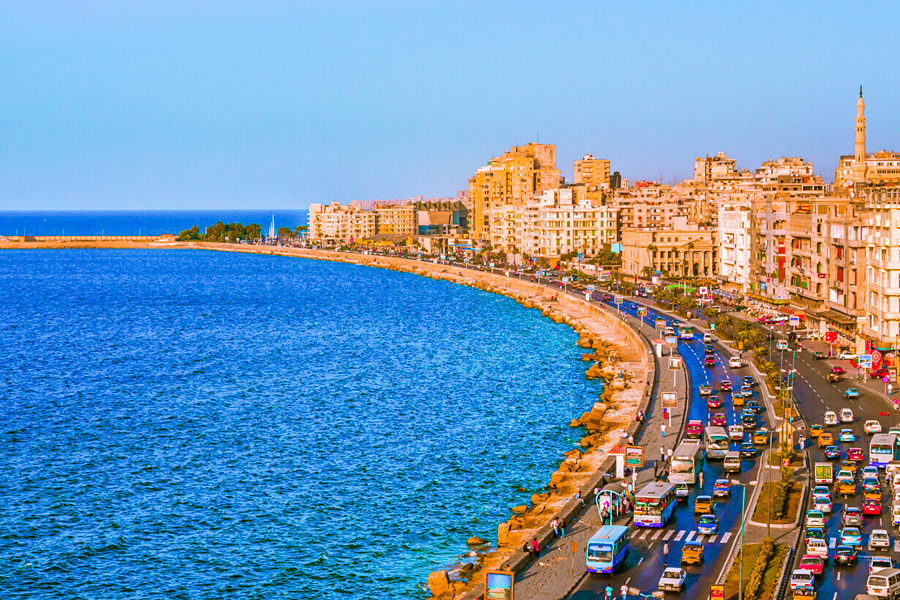
    Geographically, Alexandria City, Egypt, is characterized by its stunning coastal views and diverse topography. The city is built around the eastern edge of the Nile Delta, extending along the Mediterranean coastline. The renowned Alexandria Corniche stretches for several kilometers, offering picturesque views of the sea and the city’s iconic landmarks.

    As for the climate, Alexandria City, Egypt, experiences a Mediterranean climate with mild, wet winters and hot, dry summers. The coastal location moderates temperature extremes, making it a pleasant destination throughout the year. However, the best time to visit is spring (March to May) and autumn (September to November) when the weather is comfortable and tourist crowds are relatively smaller.

    Historical and Cultural Significance

    1. Brief History of Alexandria City

    Alexandria City, Egypt With a history dating back over two millennia, Alexandria City, Egypt, was founded by Alexander the Great in 331 BCE. It quickly became a bustling center of commerce and knowledge, renowned for its great library, the Library of Alexandria, one of the ancient world’s most significant knowledge repositories.

    Throughout the centuries, Alexandria City, Egypt, witnessed the reign of various civilizations, including the Ptolemies, Romans, Byzantines, and Arabs. Each era left its mark on the city, creating a fascinating blend of architectural styles and cultural influences.

    2. Historic Landmarks and Monuments Today

    Alexandria City, Egypt, has numerous historical landmarks and monuments showcasing its rich heritage. The iconic Qaitbay Citadel stands proudly on the eastern harbor, a testament to the city’s defensive prowess during the Mamluk era. The Citadel offers panoramic views of the Mediterranean Sea and is a must-visit for history enthusiasts.

    Another great site is the Catacombs of Kom El Shoqafa, an underground necropolis dating back to the 2nd century CE. This intricate, complex blends Egyptian, Greek, and Roman architectural styles, showcasing the diverse influences that shaped Alexandria City, Egypt.

    The Roman Amphitheatre, discovered in the early 20th century, is another excellent historical site. Built during the reign of Emperor Antoninus Pius, it once hosted gladiatorial contests and theatrical performances.

    3. Cultural Events and Festivals

    Cultural Events and Festivals Alexandria City, Egypt, embraces its cultural heritage and annually hosts various events and festivals. The Alexandria International Film Festival is a renowned annual event that attracts filmmakers, artists, and cinema enthusiasts worldwide. It showcases a diverse selection of international and Egyptian films, promoting cultural exchange and appreciation for the art of filmmaking.

    Additionally, the Bibliotheca Alexandrina, a modern library and cultural center, hosts exhibitions, lectures, and performances celebrating Alexandria’s cultural legacy. The library also houses rare manuscripts and is a hub for intellectual and artistic pursuits.

    Attractions and Activities

    1. Tourist Attractions in Alexandria

    Alexandria City, Egypt, boasts many attractions catering to diverse interests. The Montaza Palace and Gardens offer a serene escape, featuring beautifully landscaped gardens, a private beach, and the magnificent Salamlek Palace, once a royal summer residence.

    The Alexandria National Museum is a treasure trove of artifacts and exhibits that provide insights into the city’s rich history. The museum offers a comprehensive journey through Alexandria’s past, from ancient Egyptian artifacts to Greco-Roman relics.

    The beautiful Alexandria Opera House, a blend of modern and traditional architecture, hosts performances ranging from classical music to contemporary dance, offering a delightful cultural experience.

    2. Activities to Do in Alexandria

    Activities to do in the City Beyond historical sites and cultural landmarks, Alexandria City, Egypt, offers visitors a wide range of activities to enjoy. Exploring the vibrant local markets, such as the bustling Attarine Souk or the more modern San Stefano Grand Plaza, allows you to immerse yourself in the local culture and indulge in shopping for traditional handicrafts, spices, and textiles.

    A visit to the Royal Jewelry Museum housed in a former palace, offers a glimpse into the opulent lives of Egypt’s royal family, with an impressive collection of exquisite jewelry and decorative arts.

    For those seeking a tranquil retreat, a leisurely walk along the Alexandria Corniche or a relaxing boat trip on the Mediterranean Sea allows you to soak in the city’s natural beauty and enjoy breathtaking views.

    3. Shopping and Dining Experiences Alexandria

    Shopping and Dining Experiences Alexandria City, Egypt is a haven for food enthusiasts, with a culinary scene that combines Egyptian flavors with Mediterranean influences. The city is known for its seafood, and numerous restaurants along the coast offer delectable dishes made from the freshest catch.

    In addition to its culinary delights, Alexandria City, Egypt, offers a vibrant shopping experience. The city caters to all shopping preferences, from modern malls to traditional markets. The City Centre Alexandria and San Stefano Grand Plaza are popular shopping destinations, housing international brands and local boutiques.

    Accommodation and Transportation

    1. Types of Accommodations Available in Alexandria City, Egypt Alexandria City, Egypt, offers a range of accommodations to suit different budgets and preferences. Luxury hotels overlooking the Mediterranean Sea provide a luxurious experience, while boutique hotels and guesthouses in the city center offer a more intimate atmosphere. Additionally, budget-friendly options such as hostels and apartments are available for travelers seeking affordable yet comfortable stays.

    2. Transportation Options in the City Getting around Alexandria City, Egypt, is convenient and accessible. The city has an extensive network of taxis and ride-hailing services, making navigating from one attraction to another easy. Public buses and trams also provide affordable transportation options for locals and visitors.

    For those interested in exploring beyond the city limits, organized tours, and private transportation services can be arranged to visit nearby destinations such as the ancient city of Rosetta or the scenic Abu Qir Bay.

    To ensure a safe and enjoyable visit, it is advisable to exercise caution and follow basic safety guidelines, such as avoiding isolated areas at night and keeping personal belongings secure.

    Conclusion

    In conclusion, Alexandria City, Egypt, is a captivating destination that offers a unique blend of history, culture, and natural beauty. From ancient landmarks and historical sites to cultural events and modern attractions, the city provides a memorable experience for visitors of all interests. With its prime location on the Mediterranean coast and diverse activities, Alexandria City, Egypt is a must-visit destination that will leave you in awe of its rich heritage and vibrant atmosphere. Plan your visit today and embark on a journey to uncover the wonders of Alexandria City, Egypt.

    Related Articles to Read About:

  • Egypt Travel Tips: Your Ultimate Guide to Exploring the Land of Pharaohs

    Egypt Travel Tips: Your Ultimate Guide to Exploring the Land of Pharaohs

    With its rich history, captivating ancient ruins, and vibrant culture, Egypt is a mesmerizing travel destination that attracts adventurers and history enthusiasts worldwide. From the iconic Pyramids of Giza to the magnificent temples of Luxor and the scenic Nile River, Egypt offers a remarkable blend of ancient wonders and modern experiences. To make the most of your trip, it’s essential to familiarize yourself with Egypt’s local culture, prioritize safety and security, and plan your journey accordingly.

    Pre-Travel Preparation

    Before embarking on your Egyptian adventure, several important considerations must be remembered.

    1. Valid passport and visa requirements

    Ensure your passport is valid for at least six months beyond your intended departure date. Additionally, check the visa requirements for your nationality and obtain the necessary visa before your trip.

    2. Health and vaccination considerations

    Consult your healthcare provider or a travel health specialist to learn about recommended vaccinations for Egypt. Packaging a basic first aid kit and any necessary medications is also advisable.

    3. Travel insurance and emergency contacts

    Obtain comprehensive travel insurance that covers medical expenses, trip cancellation, and lost belongings. Carry a list of emergency contacts, including your country’s embassy or consulate in Egypt.

    4. Researching and planning the itinerary

    Research Egypt’s top attractions and create a flexible itinerary based on your interests. Consider the duration of your stay, the best time to visit specific sites, and the travel logistics between cities.

    5. Packing essentials for Egypt

    Pack lightweight and breathable clothing suitable for Egypt’s warm climate. Don’t forget essentials such as comfortable walking shoes, sun protection (hat, sunscreen), a reusable water bottle, and insect repellent.

    Arriving in Egypt

    Once you arrive in Egypt, navigating the initial stages of your journey smoothly is crucial.

    1. Choosing the correct airport and transportation options

    Cairo International Airport is the primary gateway to Egypt, but you can also consider other airports depending on your itinerary. Research transportation options, such as private transfers, taxis, or public transportation, and choose the one that suits your needs and budget.

    2. Immigration and customs procedures

    Follow immigration procedures at the airport, which typically involve presenting your passport, visa, and completed arrival/departure cards. Comply with customs regulations and avoid carrying prohibited items.

    3. Currency exchange and money matters

    Exchange your currency for Egyptian pounds (EGP) at authorized exchange offices or banks. Credit cards are widely accepted, but carrying cash for smaller establishments and tipping purposes is advisable.

    4. Communication options (SIM cards, internet access)

    Consider purchasing a local SIM card for affordable and convenient communication within Egypt. Internet access is widely available in hotels, cafes, and tourist areas, but it’s advisable to have a backup plan for staying connected.

    Exploring Major Attractions

    Egypt has numerous captivating attractions showcasing its ancient heritage and cultural diversity. Here are some highlights to include in your itinerary:

    Cairo Attractions

    1. Visiting the Giza Plateau and the Pyramids of Giza

    Marvel at the iconic Great Pyramid of Khufu, explore the ancient Sphinx and venture into the neighboring pyramids. Consider witnessing the mesmerizing sound and light show in the evening.

    2. Exploring the Egyptian Museum

    Discover the world’s most extensive collection of ancient Egyptian artifacts, including the treasures of Tutankhamun.

    3. Exploring Islamic Cairo (Mosques, Bazaars, and Historic Sites)

    Immerse yourself in the vibrant atmosphere of Islamic Cairo, visit historic mosques like the Sultan Hassan Mosque and the Al-Azhar Mosque, and wander through the bustling Khan El Khalili bazaar.

    Luxor Attractions

    4. Exploring the Valley of the Kings and the Temple of Karnak

    Uncover the tombs of ancient pharaohs in the Valley of the Kings and experience the grandeur of the Temple of Karnak, one of the largest temple complexes in the world.

    5. Visiting the Luxor Temple and the Colossi of Memnon

    Marvel at the Luxor Temple’s majestic columns and intricate carvings. Don’t miss the iconic Colossi of Memnon, towering statues that guard the ancient Theban necropolis.

    Attractions in Aswan

    6. Visiting the Philae Temple and the High Dam

    Explore the picturesque Philae Temple, dedicated to the goddess Isis, and learn about the construction of the Aswan High Dam, a remarkable engineering feat.

    7. Exploring the Nubian villages and experiencing local culture

    Embark on a boat trip to the nearby Nubian villages, where you can immerse yourself in the vibrant Nubian culture, enjoy traditional music, and savor the local cuisine.

    Other notable attractions

    Consider exploring the coastal city of Alexandria with its stunning Mediterranean coastline, visiting the awe-inspiring Abu Simbel temples, or relaxing in the luxurious Red Sea resorts.

    Cultural Etiquette and Respect

    Egypt has a rich cultural heritage, and respecting local customs and traditions is essential during your visit.

    1. Dress code and appropriate attire

    Respect the conservative dress code, particularly when visiting religious sites. Cover your shoulders, knees, and avoid revealing clothing.

    2. Respectful behavior in religious sites

    When visiting mosques or other religious sites, maintain a respectful demeanor, remove your shoes if required, and follow any specific instructions or guidelines.

    3. Understanding local customs and traditions

    Learn about Egyptian customs, greetings, and social norms to interact with locals respectfully. Research local customs related to dining, bargaining, and personal interactions.

    4. Appropriate photography and asking for permission

    Always ask for permission before photographing people, especially in rural areas. Respect any restrictions on photography in certain locations, such as inside religious sites or museums.

    Safety and Security Egypt Travel Tips

    Prioritizing safety and security is crucial for a hassle-free and enjoyable trip to Egypt.

    1. Staying informed about the current situation

    Stay updated on travel advisories and information regarding the safety and security of the areas you plan to visit. Monitor local news and heed the advice of local authorities.

    2. Avoiding political demonstrations and protests

    Avoid participating in or being near political demonstrations, protests, or large gatherings. These events can sometimes turn unpredictable and potentially dangerous.

    3. Taking precautions against pickpocketing and scams

    Exercise caution in crowded areas and tourist hotspots, as they may be prone to pickpocketing. Be aware of common scams and use secure bags or money belts to safeguard your belongings.

    4. Importance of staying hydrated and sun protection

    Egypt’s climate can be hot and arid, so drink plenty of bottled water to stay hydrated. Apply sunscreen, sunglasses, and a hat to protect yourself from the intense sun rays.

    Local Cuisine and Dining

    Egyptian cuisine offers a delightful array of flavors and dishes you must experience during your trip.

    Traditional Egyptian dishes and specialties

    Indulge in authentic Egyptian cuisines such as koshari (a hearty vegetarian dish), falafel, kebabs, and a variety of mezze (appetizers) like hummus and baba ganoush.

    Trying street food and local markets

    Explore local markets, such as Cairo’s Khan El Khalili or Luxor’s Old Market, and savor traditional street food like ta’ameya (Egyptian falafel) and freshly squeezed juice.

    Food safety and hygiene considerations

    To avoid foodborne illnesses, eat at reputable establishments and choose freshly cooked and well-cooked meals. Wash your hands frequently or use hand sanitizer before meals.

    Etiquette for dining in restaurants and cafes

    Tipping around 10-15% of the bill is customary when dining out. Familiarize yourself with local dining etiquette, such as waiting for the host to begin eating or using your right hand for eating.

    Transportation within Egypt

    Getting around Egypt efficiently and safely is essential to explore the country’s wonders fully.

    Domestic flights and train travel

    Consider domestic flights for long-distance travel between major cities. Egypt’s train network is also an excellent option, offering comfortable and scenic journeys.

    Public transportation options (metro, buses, taxis)

    In cities like Cairo and Alexandria, use the metro or buses for affordable transportation. Taxis are readily available, but negotiate the fare in advance or insist on using the meter.

    Hiring private drivers or tour guides

    Consider hiring a private driver or booking guided tours for the convenience and local expertise. They can enhance your experience and provide valuable insights into Egypt’s history and culture.

    Navigating through traffic and road safety

    Be cautious when crossing roads, as traffic in Egypt can be chaotic. Follow local pedestrians, use designated crossings, and exercise patience and awareness while on the road.

    Health and Safety

    Prioritize your health and safety throughout your trip to Egypt.

    Drinking bottled water and avoiding tap water

    To prevent waterborne illnesses, always drink bottled water and avoid consuming beverages with ice cubes or eating unpeeled fruits and vegetables that may have been washed with tap water.

    Food safety and eating at reputable establishments

    Choose restaurants and food vendors with good hygiene practices. Ensure that meat and seafood are thoroughly cooked, and opt for peeled fruits and vegetables.

    Managing the heat and sun exposure

    Stay hydrated by drinking plenty of water, especially during hot weather or while exploring arid regions. Take breaks in shaded areas and wear lightweight, breathable clothing to stay cool.

    Traveling with necessary medications and first aid supplies

    Pack essential medications, including prescription ones, and a basic first aid kit. Carry insect repellent for protection against mosquitoes, particularly in rural areas.

    Departure and Final Considerations

    As your Egyptian journey ends, keep these final considerations in mind.

    1. Check-out procedures at accommodations

    Familiarize yourself with the check-out procedures at your accommodation and settle any outstanding bills or fees.

    2. Shopping for souvenirs and bargaining tips

    Explore local markets for unique souvenirs such as handmade crafts, spices, and traditional textiles. Practice your bargaining skills and be prepared to negotiate for better prices.

    3. Departure tax and airport procedures

    Confirm if a departure tax is applicable and keep the necessary amount in local currency. Arrive at the airport well in advance to complete security procedures and check-in without rushing.

    4. Reflecting on the experience and leaving feedback

    Take a moment to reflect on your Egypt travel experience and consider leaving feedback for the accommodations, tour operators, or guides you encountered. Your feedback can help future travelers make informed decisions.

    In conclusion, Egypt offers a captivating blend of ancient wonders, vibrant culture, and warm hospitality. By understanding the local culture, prioritizing safety and security, and planning your trip carefully, you can embark on a memorable adventure through this extraordinary land of pharaohs. Follow these Egypt travel tips to make the most of your journey and create lasting memories.

    You Might Be Interested In These Related Articles:

Order via WhatsApp