Author: GEM Tours

  • Saladin Citadel & Mohammad Ali Mosque: An Iconic Duo in Egyptian History

    Saladin Citadel & Mohammad Ali Mosque: An Iconic Duo in Egyptian History

    Nestled on top of a hill in Cairo, Egypt, the Saladin Citadel and Mohammad Ali Mosque stand tall as two remarkable landmarks that have witnessed the ebbs and flows of Egyptian history. Built during different eras, these architectural marvels serve as testaments to the country’s rich heritage and cultural significance. This blog post will delve into the captivating history, architectural features, and tourist attractions of the Saladin Citadel and Mohammad Ali Mosque, offering a glimpse into Egypt’s glorious past.

    This blog post aims to shed light on the captivating stories behind the Saladin Citadel and Mohammad Ali Mosque. We hope to inspire Egypt travelers to include these landmarks in their itineraries by exploring their historical backgrounds, architectural designs, and significance. Whether you are an avid history buff, an architecture enthusiast, or a curious traveler, this post will provide valuable insights into the wonders that await you at the Saladin Citadel and Mohammad Ali Mosque.

    The Importance of Saladin Citadel and Mohammad Ali Mosque in Egyptian History

    The Saladin Citadel and Mohammad Ali Mosque hold immense historical importance for the Egyptians. They have witnessed numerous conquests, political upheavals, and cultural transformations that have shaped the country over centuries. These landmarks are powerful reminders of Egypt’s resilience, architectural prowess, and religious devotion, making them must-visit destinations for travelers seeking to immerse themselves in the nation’s vibrant history.

    The Citadel of Saladin

    1. The History of Saladin Citadel

    The Saladin Citadel, also known as the Cairo Citadel, traces its roots back to the 12th century during Salah ad-Din Yusuf ibn Ayyub, commonly known as Saladin. This imposing fortress was constructed as a strategic military stronghold to protect Cairo from potential invasions. Over the centuries, it became a power and authority symbol for the ruling dynasties.

    2. Architectural design and features

    The architectural design of the Saladin Citadel showcases a fusion of military and religious elements. The citadel boasts towering walls and formidable battlements that reflect its defensive purpose. Inside, you’ll discover stunning mosques, elegant palaces, and intricate courtyards adorned with intricate Islamic motifs. The most prominent structure within the citadel is the Mosque of Muhammad Ali.

    3. Significance in Egyptian history

    The Saladin Citadel played a pivotal role in shaping Egyptian history. It served as the seat of power for numerous rulers and witnessed the rise and fall of dynasties. The citadel’s strategic location and imposing architecture made it an emblem of strength and sovereignty. Today, it is a living testament to Egypt’s architectural grandeur and historical significance.

    4. Tourist attractions in Saladin Citadel

    Visitors to the Saladin Citadel can explore many attractions that bring history to life. The Mosque of Muhammad Ali, the Military Museum, and the Mosque of Sultan al-Nasir Muhammad are notable highlights. Furthermore, the citadel offers breathtaking panoramic views of Cairo, providing a unique perspective on the city’s vast expanse.

    Mohammad Ali Mosque

    1. The History of Mohammad Ali Mosque

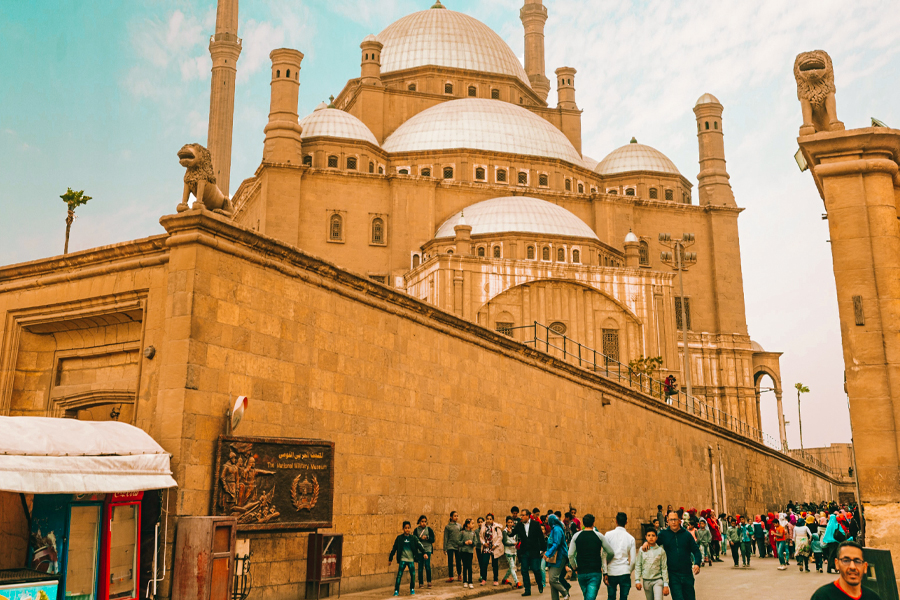
    Commissioned by Muhammad Ali Pasha, an influential ruler of Egypt in the early 19th century, the Mohammad Ali Mosque is a stunning masterpiece of Ottoman architecture. Inspired by the grandeur of Istanbul’s Hagia Sophia, this mosque was built to leave a lasting legacy and to establish Cairo as a rival to Constantinople.

    2. Architectural design and features

    The Mohammad Ali Mosque showcases the opulence and elegance of Ottoman architecture. Its domes, minarets, and grand courtyard reflect the distinctive features of this architectural style. The mosque’s interior boasts intricate decorations, including breathtaking chandeliers, ornate calligraphy, and mesmerizing stained glass windows, creating an awe-inspiring ambiance for worshippers and visitors alike.

    3. The Significance in Egyptian History

    The Mohammad Ali Mosque holds deep historical and cultural significance for Egypt. It symbolizes the country’s shift towards a more Ottoman-influenced architectural style during Muhammad Ali Pasha’s reign. Moreover, the mosque’s construction was part of a broader effort to modernize Egypt and establish Cairo as a regional cultural and political hub.

    4. Tourist attractions in Mohammad Ali Mosque

    Stepping into the Mohammad Ali Mosque feels like entering a realm of tranquility and architectural splendor. Aside from exploring its mesmerizing architecture and design, visitors can also admire the panoramic views of Cairo from its minaret. The mosque’s serene atmosphere is ideal for contemplation and reflection.

    Comparison Between Saladin Citadel & Mohammad Ali Mosque

    1. Differences in Architectural Design

    While the Saladin Citadel and Mohammad Ali Mosque exhibit Islamic architectural elements, they belong to different periods and styles. The Saladin Citadel showcases medieval military architecture, with its fortified walls and towers, while the Mohammad Ali Mosque represents the grandeur of Ottoman design, characterized by its domes and minarets.

    2. Differences in Historical Significance

    The Saladin Citadel served as a stronghold for various rulers throughout Egypt’s history, symbolizing power and defense. On the other hand, the Mohammad Ali Mosque is a testament to Muhammad Ali Pasha’s vision for Egypt’s modernization and cultural revival.

    3. Similarities in Tourist Attractions

    Both the Saladin Citadel and Mohammad Ali Mosque offer captivating tourist attractions. Visitors to both landmarks can marvel at stunning architectural details, enjoy panoramic views of Cairo, and immerse themselves in Egypt’s rich history. Whether you’re exploring the citadel’s fortifications or admiring the mosque’s grandeur, both destinations promise an unforgettable journey through time.

    The Importance of Preserving Egyptian Landmarks

    The Saladin Citadel and Mohammad Ali Mosque embody the captivating allure of Egyptian history and architectural brilliance. Each landmark tells a unique story and offers a different perspective on Egypt’s past, from the medieval military might of Saladin’s citadel to the Ottoman-inspired splendor of the Mohammad Ali Mosque.

    As we delve into the tales of these remarkable landmarks, we must recognize the significance of preserving Egypt’s cultural heritage. These architectural treasures link to the past and provide valuable insights into the country’s history. By appreciating and protecting these landmarks, we ensure that future generations can continue to be inspired by their beauty and historical significance.

    If you’re planning a trip to Egypt, visiting the Saladin Citadel and Mohammad Ali Mosque is a must. Take the time to explore their captivating history, marvel at their architectural splendor, and immerse yourself in the vibrant atmosphere surrounding them. Whether you’re a history enthusiast, an architecture lover, or simply a curious traveler, these landmarks promise an enriching experience that will leave an indelible mark on your journey through Egypt.
    Read More of Cairo Attractions:

  • Memphis Necropolis: Exploring Ancient Egypt’s Burial Ground

    Memphis Necropolis: Exploring Ancient Egypt’s Burial Ground

    In the heart of Egypt lies a great site with immense historical significance: the Memphis Necropolis. Nestled on the outskirts of modern-day Cairo, this ancient burial ground stands as a testament to the rich legacy of the pharaohs and their enduring civilization. With its grand tombs and awe-inspiring structures, the Memphis Necropolis draws travelers from across the globe, eager to uncover the secrets of ancient Egypt’s past.

    What is Memphis Necropolis?

    Before we delve deeper into the wonders of the Memphis Necropolis, let’s first understand what a necropolis represents. Derived from the Greek words “nekros” meaning “dead,” and “polis,” meaning “city,” a necropolis is a large burial ground or cemetery. The Memphis Necropolis, situated on the western bank of the Nile River, spans an extensive area encompassing various tombs and funerary complexes.

    The tombs and burial sites within the Memphis Necropolis hold great importance in Egyptian culture and history. They were constructed meticulously to house the remains of pharaohs, queens, and other elite members of society. These monumental structures were intended to safeguard their bodies and worldly possessions for eternity, reflecting the ancient Egyptians’ beliefs in the afterlife and their desire for immortality.

    Ancient Egyptian burial practices

    To truly appreciate the significance of the Memphis Necropolis, we must delve into the burial practices of ancient Egypt. The Egyptians held a profound reverence for the deceased and believed in an afterlife where the soul could continue its existence. They meticulously preserved the bodies through embalming and placed them within elaborate tombs filled with offerings and treasures to aid the deceased in their journey beyond.

    Memphis Necropolis played a pivotal role in ancient Egypt, serving as the primary burial ground for Memphis, the capital of the Old Kingdom. As a cultural and political hub, Memphis Necropolis housed the tombs of pharaohs and royal court members, such as priests, nobles, and military leaders. The grandeur of these tombs reflected the social hierarchy and the divine status of the pharaoh, who was considered a living god.

    The Memphis Necropolis continues to leave an indelible mark on modern-day Memphis. It serves as a reminder of Egypt’s glorious past, attracting visitors who seek to connect with the country’s ancient roots. Exploring these historical treasures provides a unique opportunity to understand the development of Egyptian civilization and its enduring legacy.

    The Famous Tombs and Burial Sites in Memphis Necropolis

    1. The Great Pyramid of Giza

    Among the many remarkable structures within the Memphis Necropolis, several are iconic symbols of ancient Egypt. The Great Pyramid of Giza, one of the Seven Wonders of the Ancient World, is a colossal tomb built for Pharaoh Khufu. Its grandeur and precision engineering continue to astound archaeologists and visitors alike.

    2. The Sphinx

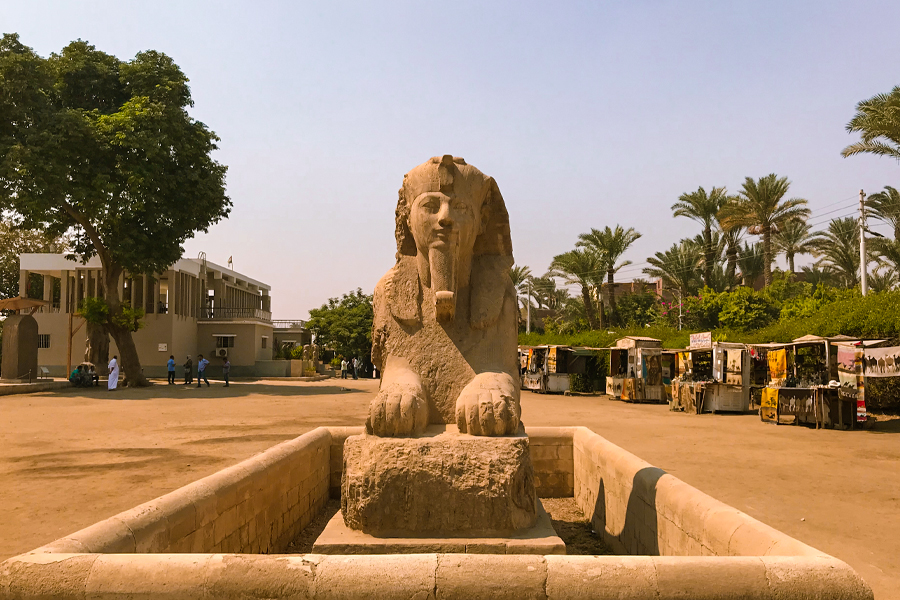
    Nearby, the enigmatic Sphinx guards the vast desert plateau, boasting a lion’s body and a pharaoh’s head. This majestic sculpture holds deep mythological and symbolic significance, as it was believed to embody divine wisdom and protect the necropolis.

    3. The Tomb of Tutankhamun

    No discussion of the Memphis Necropolis would be complete without mentioning the legendary Tomb of Tutankhamun. Discovered by Howard Carter in 1922, this tomb contained a wealth of treasures and offered a rare glimpse into the opulence of ancient Egyptian royalty.

    4. Other notable tombs and burial sites in Memphis Necropolis

    Numerous other tombs and burial sites also grace the Memphis Necropolis, each with unique stories to tell. From the mastabas, which were rectangular tombs used by early pharaohs, to the breathtaking temples and mortuary complexes, every corner of this necropolis is steeped in history and archaeological wonders.

    Best time to visit Memphis Necropolis

    The best time to visit the Memphis Necropolis is during the cooler months, from October to April. This period offers more favorable weather conditions for exploring the outdoor site comfortably. The scorching heat of the Egyptian summer can be quite intense, making it challenging to fully enjoy and appreciate the necropolis.

    By visiting during the cooler months, you can explore the sprawling grounds of the Memphis Necropolis without the discomfort of extreme temperatures. The mild temperatures of autumn, winter, and spring provide a more pleasant experience, allowing you to spend ample time exploring the tombs, admiring the architectural wonders, and immersing yourself in the rich history of ancient Egypt.

    In addition to the comfortable weather, visiting during the off-peak season can also offer benefits such as smaller crowds. The Memphis Necropolis is a popular tourist destination, and during the peak summer season, it tends to attract larger numbers of visitors. By visiting during the cooler months, you can enjoy a more serene and intimate experience, allowing you to fully absorb the atmosphere and significance of this ancient burial ground.

    It’s worth noting that while the cooler months are generally ideal for visiting the Memphis Necropolis, it’s still important to come prepared for the weather conditions. Egypt can still experience fluctuations in temperature, so it’s advisable to dress in layers and wear comfortable footwear suitable for walking.

    By timing your visit to the Memphis Necropolis during the best time of year, you can maximize your experience, ensuring you can fully appreciate this great ancient site’s historical significance and grandeur.

    What to Expect When Visiting Memphis Necropolis

    Upon arrival, you’ll be greeted by knowledgeable guides who can provide fascinating insights into the history and significance of the Memphis Necropolis. Be sure to allocate ample time for your visit, as there is much to see and learn. From the awe-inspiring pyramids to the intricate details of ancient tombs, every step within the necropolis reveals a glimpse into the ancient world.

    Final thoughts on Memphis Necropolis

    The Memphis Necropolis stands as a testament to the extraordinary achievements of ancient Egypt and the reverence they held for their departed. This sprawling burial ground bridges the past and the present, allowing us to connect with a civilization that flourished thousands of years ago.

    Preserving the Memphis Necropolis is paramount to ensure that future generations can continue to marvel at its wonders and learn from its history. We can safeguard these invaluable treasures through careful conservation efforts and unravel the mysteries of the necropolis.

    A visit to the Memphis Necropolis is a journey through time, an opportunity to walk in the footsteps of pharaohs and immerse oneself in the captivating world of ancient Egypt. As you wander among the tombs and burial sites, take a moment to contemplate the immense cultural and historical significance of this sacred place. The Memphis Necropolis truly stands as a testament to the ancient Egyptians’ indomitable spirit and enduring legacy.

    Read More of Cairo Attractions:

  • The Hanging Church: A Historic Gem in Old Cairo

    The Hanging Church: A Historic Gem in Old Cairo

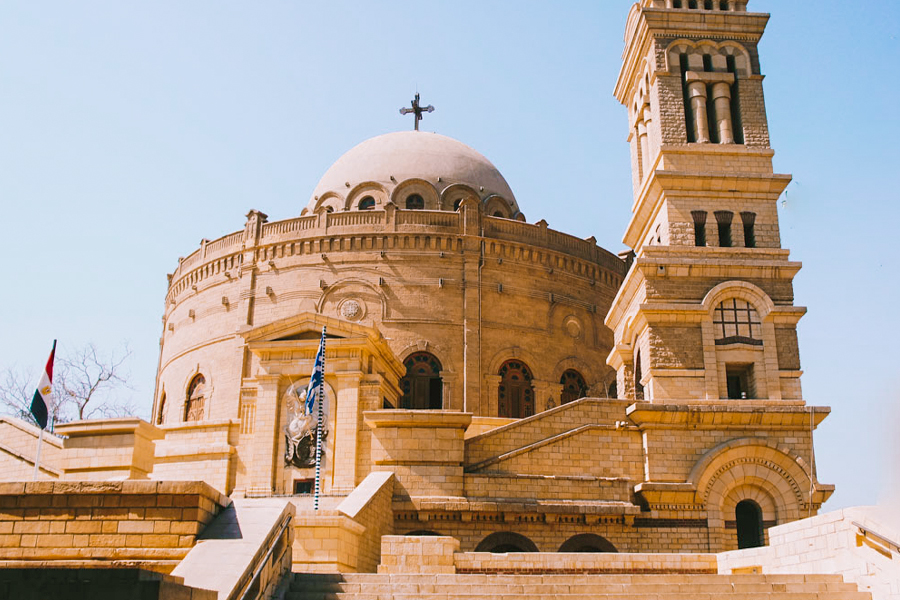
    The Hanging Church, also known as the Church of the Virgin Mary, is an ancient Coptic Christian church in Cairo, Egypt. It is one of the oldest churches in the country, with a rich history dating back over 1,500 years. The church is renowned for its unique architectural design and religious significance, making it an important landmark in Egyptian history and culture.

    The Hanging Church holds great significance in Egyptian history and culture. It stands as a testament to the deep-rooted Christian heritage in Egypt and showcases the country’s religious diversity. The church has witnessed centuries of political and social changes, symbolizing resilience and endurance.

    The purpose of this blog post is to provide a comprehensive guide to the Hanging Church, covering its history, architecture, religious significance, restoration efforts, and visitor experience. Whether you are a history enthusiast, an architecture lover, or a religious pilgrim, this post aims to offer valuable insights into the fascinating world of the Hanging Church.

    The History of the Hanging Church

    1. Construction of the church

    The Hanging Church was constructed during the 7th century atop the southern gatehouse of the Babylon Fortress. Its unique name derives from its location, which appears to be suspended between two towers. The church was built on the site where the Holy Family is believed to have sought refuge during their flight to Egypt, adding to its religious significance.

    2. Significance of the church’s location

    The Hanging Church’s location holds historical and strategic importance. The Babylon Fortress, where the church is situated, served as a gateway to Egypt and was a crucial stronghold during various periods of Egyptian history. Being positioned at such a significant site allowed the church to witness and be involved in several historical events.

    3. Historical events associated with the church

    Throughout its existence, the Hanging Church has witnessed numerous historical events, including invasions, renovations, and changes in rulership. It survived the Arab conquest, the Crusades, and the Ottoman rule, symbolizing endurance. The church’s history intertwines with Egypt’s narrative, offering a unique perspective on the country’s past.

    The Architecture and Design

    1. Exterior design of the church

    The Hanging Church showcases a captivating blend of architectural styles. Its exterior design reflects influences from various periods, including Coptic, Roman, and Islamic elements. The church features a stone façade adorned with intricate carvings and beautiful archways, creating a stunning masterpiece that attracts visitors worldwide.

    2. Interior design of the church

    Stepping inside the Hanging Church reveals a breathtaking interior filled with religious artifacts, colorful murals, and ornate woodwork. The church’s design combines Coptic and Byzantine traditions, creating a serene and sacred atmosphere. The interior has three main sections, each with unique charm and significance.

    3. Unique features of the Hanging Church

    One of the unique features of the Hanging Church is its collection of 110 ancient icons, which depict biblical scenes and saints. These icons are a testament to the rich artistic heritage of Coptic Christianity. Additionally, the church houses a baptismal font made from red granite, believed to have been used by the Holy Family during their stay in Egypt.

    The Religious Significance

    1. Religious importance of the Hanging Church

    The Hanging Church is an important religious site for Coptic Christians, who consider it one of the holiest places in Egypt. It serves as the seat of the Coptic Orthodox Pope of Alexandria, the spiritual leader of the Coptic Christian community. The church’s association with the Holy Family adds to its religious reverence, attracting pilgrims worldwide.

    2. Role of the church in Coptic Christianity

    As the spiritual center of Coptic Christianity, the Hanging Church plays a crucial role in the religious and cultural life of the Coptic community. It serves as a place of worship, a center for theological education, and a hub for religious celebrations and ceremonies. The church’s presence is a testament to the endurance and resilience of the Coptic faith.

    3. Religious events and celebrations at the church

    Throughout the year, the Hanging Church hosts various religious events and celebrations that attract local and international visitors. These include Christmas and Easter services, processions, and feasts dedicated to saints and martyrs. The church’s vibrant and lively atmosphere offers a unique glimpse into the Coptic Christian traditions and practices during these events.

    Restoration and Preservation

    1. Efforts to restore and preserve the Hanging Church

    Recognizing the historical and cultural significance of the Hanging Church, various restoration and preservation efforts have been undertaken over the years. These initiatives aim to conserve the church’s architectural integrity, safeguard its artifacts, and ensure its longevity for future generations. Restoration projects have involved collaboration between local authorities, religious institutions, and international organizations.

    2. Challenges faced in preserving the church

    Preserving a centuries-old structure like the Hanging Church has its fair share of challenges. Environmental conditions, urban development, and limited resources make maintaining the church’s heritage difficult. However, these challenges are being addressed through dedicated efforts, innovative conservation techniques, and community involvement to ensure the church’s preservation.

    3. plans for the church

    There are ambitious plans further to enhance the preservation and accessibility of the Hanging Church. These include developing educational programs, digital initiatives to document and promote the church’s history, and establishing a visitor center. These plans aim to create a sustainable and immersive visitor experience while safeguarding the church’s cultural legacy.

    Visiting the Hanging Church

    Tips for visiting the Hanging Church

    When visiting the Hanging Church, it is advisable to dress modestly as a sign of respect. As a religious site, appropriate attire is encouraged. Additionally, checking the visiting hours in advance is recommended, as the church may have specific opening and closing times. Being mindful of the church’s significance and following any guidelines provided ensures a meaningful and respectful visit.

    The visitor experience at the church

    Visiting the Hanging Church offers a captivating experience that combines history, spirituality, and cultural immersion. Stepping inside the church’s serene ambiance, visitors can admire the architectural marvels, explore the religious artifacts, and witness the vibrant atmosphere during religious ceremonies. The church’s welcoming atmosphere and the warmth of the local community make the visitor experience truly memorable.

    Other attractions near the Hanging Church

    Located in the heart of Cairo, the Hanging Church provides easy access to other notable attractions. Visitors can explore the historic Coptic Quarter, visit the Coptic Museum to delve deeper into Coptic art and history, or stroll along the vibrant streets of Old Cairo, where ancient mosques, synagogues, and markets coexist, offering a unique blend of cultures and traditions.

    The Importance of the Hanging Church

    The Hanging Church is a testament to Egypt’s rich history, cultural diversity, and religious heritage. Its unique architectural design, historical significance, and religious importance make it a must-visit destination for travelers and a cherished site for the Coptic Christian community. The church’s enduring legacy offers a window into Egypt’s past and symbolizes unity and resilience.

    Conclusion

    The Hanging Church is more than just a historical site; it is a living testament to the Coptic Christian community’s faith, traditions, and identity. It serves as a bridge between the past and the present, inviting visitors to explore and appreciate the cultural treasures it holds. The church’s beauty, spirituality, and historical context create a profound and inspiring experience for all who visit.

    If you are planning a trip to Egypt, include a visit to the Hanging Church on your itinerary. Experience the awe-inspiring architecture, immerse yourself in the rich history, and witness the vibrant religious celebrations. Discover the cultural tapestry of Egypt through the lens of the Hanging Church, and let its profound significance leave a lasting impact on your journey.

    Read More of Cairo Attractions:

  • Djoser Step Pyramid in Saqqara: Unveiling the Marvels of Ancient Egypt

    Djoser Step Pyramid in Saqqara: Unveiling the Marvels of Ancient Egypt

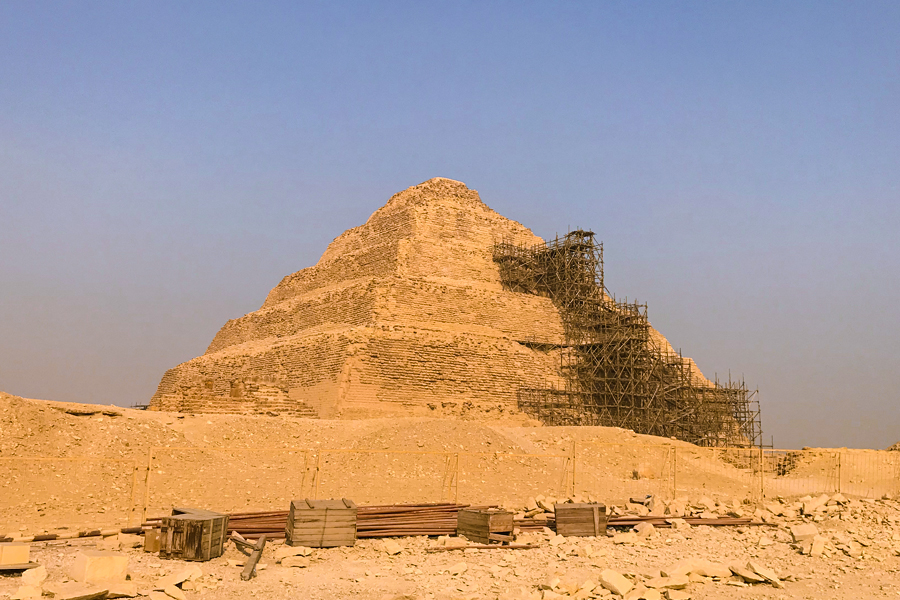
    The Djoser Step Pyramid, located in Saqqara, Egypt, is an architectural wonder that stands as a testament to ancient Egypt’s ingenuity and advanced civilization. Constructed during the 27th century BCE, it is considered the earliest colossal stone building and a remarkable milestone in the evolution of pyramid construction.

    In this blog post, we embark on a captivating journey to explore the Djoser Step Pyramid, unravel its historical context, delve into its architectural wonders, understand its cultural and religious significance, and provide essential information for those planning to visit this wonderful ancient site.

    The Importance of the Pyramid in Ancient Egypt

    The Djoser Step Pyramid holds immense significance in the history of ancient Egypt. It symbolizes the transition from mastaba-style tombs to pyramids and represents a groundbreaking shift in architectural design and engineering capabilities. This pyramid marked the beginning of a new era and served as the final resting place of Pharaoh Djoser, the second ruler of the Third Dynasty.

    The History of the Djoser Step Pyramid

    1. Construction period and builders

    The construction of the Djoser Step Pyramid took place over several years under the guidance of Imhotep, an architect, high priest, and polymath of ancient Egypt. Imhotep’s visionary approach revolutionized pyramid design, paving the way for future monumental structures.

    2. Architectural design and significance

    The Djoser Step Pyramid’s architectural design was groundbreaking for its time. Comprising six distinct tiers, or steps, the pyramid rose to approximately 200 feet (60 meters). It was constructed using limestone blocks, meticulously carved and arranged to create a striking geometric structure that captured the ancient Egyptians’ awe.

    3. Religious and cultural significance

    Beyond its architectural marvels, the Djoser Step Pyramid holds profound religious and cultural importance. The pyramid’s design and purpose were deeply rooted in the ancient Egyptian belief system, particularly the Pharaoh’s journey to the afterlife. It served as a conduit for the ruler’s ascension to the heavens, ensuring their eternal legacy and the kingdom’s prosperity.

    Design and Structure of the Pyramid

    1. Description of the pyramid’s structure

    The Djoser Step Pyramid’s unique design features six gradually diminishing steps, each adorned with ornate facades and intricate reliefs. The inner chambers and corridors hold hidden treasures, showcasing the ancient Egyptians’ mastery of architecture and engineering.

    2. Materials used in construction

    The pyramid was primarily constructed using locally sourced limestone, meticulously cut and shaped to fit precisely together. The precision of the masonry work is a testament to the advanced techniques employed by the skilled craftsmen of the time.

    3. Unique features of the pyramid

    One of the most remarkable features of the Djoser Step Pyramid is its innovative underground labyrinth. This intricate network of tunnels and chambers held great religious significance and was pivotal in Pharaoh Djoser’s burial rituals. The pyramid’s complex design and the labyrinth beneath make it an architectural marvel that continues to captivate visitors and scholars alike.

    Exploration and Restoration of the Pyramid

    1. Discovery and exploration of the pyramid

    The Djoser Step Pyramid’s significance was largely forgotten until its rediscovery in the early 19th century. Scholars and archaeologists excavated extensively to uncover its secrets, shedding light on ancient Egyptian culture and rituals.

    2. Restoration and preservation efforts

    Recognizing the historical and cultural value of the Djoser Step Pyramid, restoration and preservation initiatives have been undertaken to safeguard this ancient wonder. Skilled conservationists have worked diligently to stabilize and protect the pyramid’s structure from further deterioration.

    The Current state of the pyramid

    Today, visitors can witness the magnificence of the Djoser Step Pyramid, albeit with certain restrictions to preserve its integrity. The pyramid is a testament to human ingenuity and offers an extraordinary glimpse into the distant past of ancient Egypt.

    Significance of the Djoser Step Pyramid

    1. Influence on future pyramid designs

    The Djoser Step Pyramid laid the foundation for subsequent pyramid construction in ancient Egypt. Its design and engineering techniques paved the way for the Great Pyramids of Giza and numerous other monumental structures.

    2. Cultural and religious significance

    The pyramid’s cultural and religious importance cannot be overstated. It was a focal point for worship and was crucial in ancient Egyptian religious rituals and ceremonies. The pyramid’s symbolism and grandeur profoundly impacted the spiritual beliefs and practices of the ancient Egyptians.

    3. Impact on ancient Egyptian society

    The Djoser Step Pyramid’s construction and cultural significance had a far-reaching impact on ancient Egyptian society. It served as a testament to the Pharaoh’s authority, reinforced social hierarchies, and demonstrated the kingdom’s power and prosperity.

    Visiting the Djoser Step Pyramid

    Location and accessibility

    The Djoser Step Pyramid is located in Saqqara, approximately 30 kilometers south of Cairo, Egypt. It is easily accessible by car or organized tours from major cities and tourist hubs.

    Tourist attractions and activities in Saqqara

    Saqqara offers many fascinating tourist attractions and activities that complement the visit to the Djoser Step Pyramid. Here are some noteworthy highlights:

    • Saqqara Necropolis: Explore the vast Saqqara Necropolis, a sprawling ancient burial ground that houses numerous tombs and structures. Among the notable tombs is the Mastaba of Ti, known for its well-preserved reliefs depicting scenes of daily life in ancient Egypt.
    • Imhotep Museum: Immerse yourself in the rich history of the Djoser Step Pyramid and its architect, Imhotep, at the Imhotep Museum. This modern museum showcases a remarkable collection of artifacts, including statues, tools, and architectural fragments, shedding light on the pyramid’s construction techniques and religious significance.
    • Tomb of Ptahhotep: Visit the Tomb of Ptahhotep, one of the most famous tombs in Saqqara. This well-preserved Mastaba tomb features captivating wall paintings that offer insights into ancient Egyptian society, depicting scenes of daily life, agriculture, and religious rituals.
    • Tomb of Mereruka: Step into the elaborate Tomb of Mereruka, the largest mastaba tomb in Saqqara. This tomb vividly depicts the wealth and importance of Mereruka, who served as a high-ranking official during the reign of Pharaoh Teti. The intricate reliefs and hieroglyphics narrate stories of Mereruka’s life and his afterlife expectations.
    • Step Pyramid of Teti: While exploring Saqqara, take a moment to admire the Step Pyramid of Teti. Although less renowned than the Djoser Step Pyramid, it is a well-preserved pyramid complex that holds historical significance as the burial place of Pharaoh Teti, the founder of the Sixth Dynasty.
    • Saqqara Papyrus Institute: A visit to the Saqqara Papyrus Institute is necessary for those interested in ancient Egyptian art and craftsmanship. Witness the meticulous process of papyrus-making, from the reeds’ cultivation to the creation of vibrant paintings and hieroglyphic inscriptions on this traditional medium.

    Saqqara’s wealth of archaeological wonders and authentic cultural experiences ensure an enriching and memorable visit. Immerse yourself in the ancient splendor and vibrant heritage of this remarkable destination.

    Tips for visiting the pyramid

    When visiting the Djoser Step Pyramid, it is advisable to plan, wear comfortable clothing and footwear, and carry essential supplies such as water and sun protection. Respecting the site’s historical and cultural significance is crucial, as is following any guidelines and restrictions to preserve this ancient wonder.

    Conclusion

    The Djoser Step Pyramid is a testament to ancient Egypt’s architectural achievements and religious beliefs. Its historical significance, cultural importance, and innovative design make it a compelling destination for history enthusiasts and curious travelers.

    Visiting the Djoser Step Pyramid offers a remarkable opportunity to connect with the awe-inspiring wonders of ancient Egypt. It is a journey through time, providing a glimpse into the ingenuity, craftsmanship, and profound spirituality of one of the world’s most captivating civilizations.

    Embark on an unforgettable expedition to the Djoser Step Pyramid in Saqqara and witness the wonders of ancient Egypt firsthand. Discover the marvels of ancient architecture, immerse yourself in the rich tapestry of history, and unravel the enigmatic.

    Read More of Cairo Attractions:

  • Coptic Cairo: Exploring the Rich History and Cultural Treasures

    Coptic Cairo: Exploring the Rich History and Cultural Treasures

    Coptic Cairo, also known as Old Cairo or Masr al-Qadima, is a historic neighborhood in the heart of Cairo, Egypt. It holds immense significance to the country’s history and culture, as it is home to some of the world’s oldest Christian churches and religious institutions. With its rich tapestry of architectural wonders, cultural traditions, and deep-rooted spirituality, Coptic Cairo offers visitors a unique glimpse into Egypt’s diverse past.

    The History of Coptic Cairo

    Coptic Cairo’s history dates back to the early Christian era when Egypt became a major center for the development of Christianity. The Coptic Orthodox Church, one of the oldest Christian denominations, traces its roots to Saint Mark the Evangelist, believed to have brought Christianity to Egypt in the 1st century AD. This ancient church played a pivotal role in shaping the religious and cultural landscape of Coptic Cairo.

    Coptic Cairo emerged as a prominent religious center during the Roman and Byzantine periods. It became a sanctuary for the Coptic community, preserving their traditions and faith amidst shifting political landscapes. Throughout the centuries, Coptic Cairo witnessed numerous key events, including the Arab conquest of Egypt in the 7th century, the establishment of Islamic rule, and the Ottoman era. Despite these changes, Coptic Cairo symbolized religious resilience and cultural continuity.

    Attractions in Coptic Cairo

    1. The Hanging Church

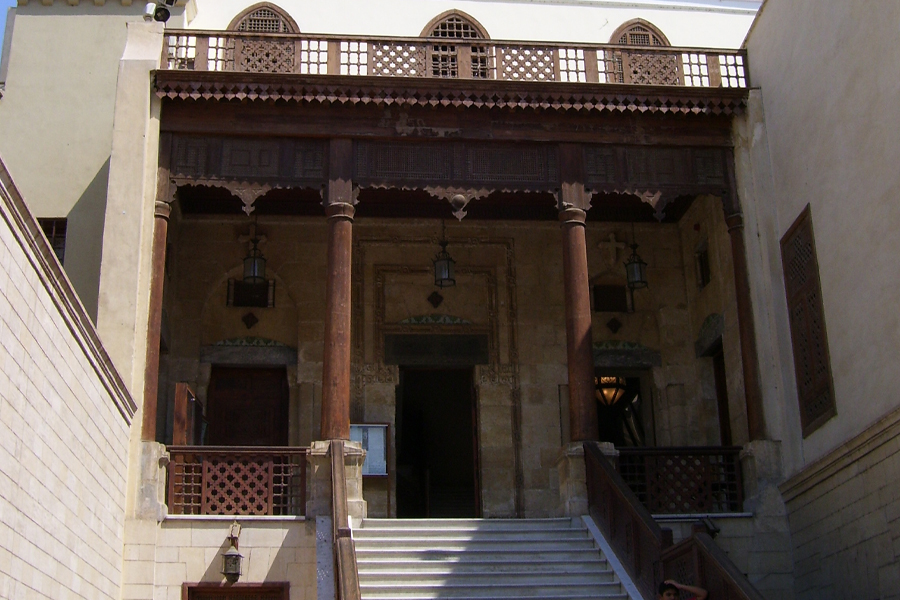
    Coptic Cairo has remarkable attractions showcasing the area’s religious and architectural heritage. The Hanging Church, officially known as the Church of the Virgin Mary, is a masterpiece of Coptic architecture. Its name is derived from its location atop the Babylon Fortress’s southern gate, which appears to “hang” over the ancient Roman towers. The church boasts beautiful frescoes, intricate woodwork, and a peaceful ambiance that transports visitors back in time.

    2. Abu Serga Church

    Another important religious site in Coptic Cairo is the Abu Serga Church, dedicated to the Holy Family’s visit during their escape to Egypt. Believed to be built on the site where the Holy Family sought refuge, it holds deep spiritual significance for Coptic Christians. Its rich history, including its role as a hiding place for the Holy Family, makes it an important pilgrimage site.

    3. Ben Ezra Synagogue

    Coptic Cairo is also home to the Ben Ezra Synagogue, an ancient Jewish temple with a captivating history. Legend states that the synagogue’s location was chosen when the baby Moses was found floating in a basket in the Nile River nearby. The synagogue houses a precious collection of documents and artifacts, including the famous Genizah documents, providing insights into Egypt’s Jewish history.

    4. Coptic Museum

    For those seeking a deeper understanding of Coptic Cairo’s heritage, the Coptic Museum is a must-visit. The museum displays an extensive collection of Coptic art, manuscripts, textiles, and religious artifacts, allowing visitors to delve into the rich artistic and cultural traditions of the Coptic community.

    In addition to these landmarks, Coptic Cairo is dotted with other notable sites, including the Church of St. Sergius and Bacchus, the Church of St. Barbara, and the Babylon Fortress. Exploring these sites offers a comprehensive experience of the area’s architectural and historical wonders.

    The Culture and Traditions of Coptic Cairo

    Religion plays a central role in the daily lives of the residents of Coptic Cairo. The Coptic Orthodox Church’s traditions and teachings are deeply ingrained in the community, influencing various aspects of their culture. Visitors to Coptic Cairo will witness the devotion and piety of the locals as they participate in religious rituals, prayers, and liturgies.

    The area is known for its vibrant celebrations and festivals, which offer a glimpse into Coptic traditions. One such celebration is the Coptic Christmas, celebrated on January 7th, following the Coptic calendar. The streets come alive with processions, music, and colorful decorations, creating a festive atmosphere for locals and visitors.

    Coptic Cairo’s art and architecture are a testament to the community’s rich heritage. Intricate woodwork, stunning murals, and beautiful icons adorn the churches, reflecting the unique Coptic artistic style. The fusion of Coptic, Byzantine, and Islamic architectural elements in the buildings visually represents Egypt’s diverse cultural influences throughout history.

    Visiting Coptic Cairo

    For tourists planning to explore Coptic Cairo, here are some essential tips to enhance your experience. It is advisable to dress modestly out of respect for the religious sites and local customs. Both men and women should cover their shoulders and knees when visiting churches and mosques.

    Best time to visit Coptic Cairo

    The best time to visit Coptic Cairo is during the cooler months, from November to February, to avoid the scorching heat of the Egyptian summer. However, it is essential to note that Coptic Cairo attracts visitors year-round, and each season has its unique charm.

    To make the most of your visit, consider joining a guided tour of Coptic Cairo. Knowledgeable guides can provide valuable insights into the sites’ history, significance, and architectural details. Additionally, a guided tour can ensure that you don’t miss any hidden gems and can easily navigate the narrow streets and alleys.

    Recommended tours and activities

    When exploring Coptic Cairo, several recommended tours and activities can enhance your experience and help you make the most of your visit. Here are some suggestions:

    • Guided Walking Tour: Joining a guided walking tour gives you a comprehensive understanding of the area’s history, architecture, and cultural significance. A knowledgeable guide will lead you through the narrow streets, pointing out landmarks and sharing intriguing stories.
    • Church Visits: Coptic Cairo is renowned for its ancient churches, each with its unique history and architectural style. Make sure to visit the Hanging Church (Church of the Virgin Mary), Abu Serga Church, and the Church of St. Sergius and Bacchus. Exploring the interiors, admiring the beautiful artwork and relics, and learning about the religious significance will provide a deeper appreciation of the Coptic heritage.
    • Coptic Museum: Pay a visit to the Coptic Museum, located within Coptic Cairo, which houses an impressive collection of Coptic art, artifacts, manuscripts, and textiles. Take your time to explore the exhibits, learn about the cultural significance of the items, and gain insights into the artistic traditions of the Coptic community.
    • Synagogue Visit: The Ben Ezra Synagogue is an intriguing site to explore, showcasing the rich Jewish history of Egypt. Visit the synagogue, marvel at its architecture, and view the Genizah documents, which offer valuable insights into the lives of Egyptian Jews throughout the centuries.
    • Nile River Cruise: Consider combining your visit to Coptic Cairo with a Nile River cruise. Cruises often include stops at various historical sites, including Coptic Cairo, allowing you to explore the area while enjoying the picturesque views along the Nile.
    • Local Cultural Experiences: To immerse yourself further in the local culture, consider participating in activities such as attending a Coptic music concert or experiencing Coptic Christian rituals. These experiences provide a deeper understanding of the community’s traditions and role in daily life.
    • Culinary Exploration: Indulge in the flavors of Coptic cuisine by sampling local dishes and delicacies. Visit local eateries and try traditional Egyptian foods such as koshari, ta’meya (Egyptian falafel), and konafa (a sweet pastry). Exploring the culinary landscape adds another layer to your cultural immersion in Coptic Cairo.

    Remember to plan your tours and activities to ensure availability and to make the most of your time in Coptic Cairo. Each experience will contribute to a more enriching and memorable visit, allowing you to truly appreciate the history, culture, and spirituality that permeates this beautiful neighborhood.

    The significance of Coptic Cairo’s rich history and culture

    Coptic Cairo stands as a living testament to Egypt’s fascinating history and the enduring spirit of the Coptic community. Its rich heritage, ancient churches, and religious sites make it a captivating destination for history enthusiasts, art lovers, and spiritual seekers alike. As you wander through its narrow streets and enter its magnificent churches, you will be transported back in time, enveloped by the echoes of centuries past.

    Visiting Coptic Cairo offers a unique opportunity to delve into Egypt’s multicultural tapestry, where ancient traditions thrive. Whether captivated by the exquisite architecture, intrigued by religious rituals, or simply seeking a profound cultural experience, Coptic Cairo will leave an indelible impression on your heart and mind.

    Plan your visit to Coptic Cairo, immerse yourself in its rich history, and embrace the beauty of its cultural treasures. Discover the stories engraved in its walls, experience the warmth of its people, and create memories that will last a lifetime. Coptic Cairo eagerly awaits your exploration, promising an unforgettable journey into the heart of Egypt’s fascinating past.

    Read More of Cairo Attractions:

Order via WhatsApp