Author: GEM Tours

  • The Sultan Hassan Mosque: It’s History and Importance in Islamic architecture

    The Sultan Hassan Mosque: It’s History and Importance in Islamic architecture

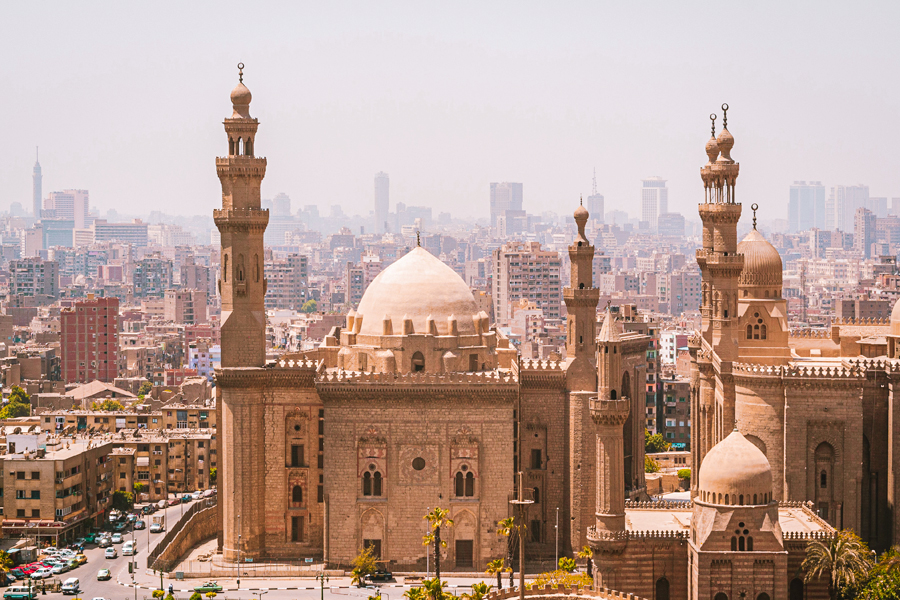
    The Sultan Hassan Mosque is a significant historical and architectural marvel renowned for its remarkable design and intricate craftsmanship. This mosque is important in Islamic and architectural spheres, situated in Cairo, Egypt. To truly appreciate the significance of this mosque, it is essential to delve into its brief history and understand its role in Islamic architecture.

    The Sultan Hassan Mosque has a rich history dates back to the 14th century. It was constructed during the reign of Sultan Hassan bin Al-Nasir Muhammad, who ruled Egypt from 1356 to 1361. Sultan Hassan was a powerful and ambitious leader, and he envisioned a grand mosque that would not only serve as a place of worship but also stand as a symbol of his authority and magnificence.

    The mosque’s construction commenced in 1356 under the guidance of esteemed architects and skilled craftsmen. It took several years to complete the project, and the mosque was finally inaugurated in 1363. The Sultan Hassan Mosque was built on the site of the ancient Fatimid Palace, which added to its historical significance.

    The mosque’s architecture is a testament to the grandeur and elegance of the Mamluk era. It embodies the unique characteristics of Islamic architecture, combining elements from various architectural styles prevalent during that period. The mosque showcases exquisite craftsmanship, intricate geometric patterns, and intricate calligraphy, prominent Islamic art and design features.

    The Sultan Hassan Mosque holds immense importance in Islamic architecture. It is a prime example of Mamluk architecture, which flourished during the Mamluk Sultanate in Egypt. The mosque’s design incorporates elements of medieval Arab architecture and the earlier Fatimid architectural style, creating a captivating fusion of influences.

    The mosque’s massive size and grandeur reflect the power and authority of the Sultan. At the same time, its intricate details and delicate ornamentation showcase the artistic and architectural prowess of the craftsmen involved. The Sultan Hassan Mosque serves as a testament to the skill, innovation, and devotion of the architects and artisans of that era.

    Furthermore, the mosque serves as a spiritual sanctuary for Muslims. It provides a space for worship, reflection, and community gathering. Its design incorporates a large prayer hall, a central courtyard, and minarets that reach toward the heavens, inviting worshippers to connect with the divine. The mosque’s layout and architectural features also facilitate a sense of tranquility and spiritual introspection.

    Architecture and Design of Sultan Hassan Mosque

    The Sultan Hassan Mosque boasts a magnificent architectural design that mesmerizes visitors with its intricate details and awe-inspiring grandeur. The mosque’s exterior and interior showcase the splendor of Islamic architecture, incorporating elements characteristic of the era in which it was built.

    1. Exterior Design

    The exterior of the Sultan Hassan Mosque is imposing and majestic. The mosque features towering minarets that reach toward the sky, serving as prominent markers of its presence. With their graceful tapering form, these minarets are adorned with ornate geometric patterns and Arabic calligraphy. They serve as architectural elements and act as beacons for the faithful, announcing the call to prayer.

    The façade of the mosque is characterized by intricately carved stone walls and decorative elements. Delicate geometric patterns, interlacing arches, and arabesque motifs adorn the exterior, creating a mesmerizing visual display. These ornamental details are meticulously crafted and reflect the mastery of the craftsmen who brought the mosque to life.

    2. Interior Design

    As one enters the Sultan Hassan Mosque, they are greeted by a vast, awe-inspiring interior space. The prayer hall, known as the hypostyle hall, is an architectural marvel. It features a forest of massive columns that support the intricately decorated ceiling. The columns are arranged symmetrically, creating a sense of harmony and balance.

    The mosque’s interior walls are adorned with decorative elements, including intricate tile work, carved stone panels, and beautiful calligraphy. Arabic inscriptions from the Quran and other Islamic texts can be found throughout the interior, serving as a reminder of the spiritual significance of the space.

    The mihrab, a niche in the wall that indicates the direction of Mecca, is an essential feature of the mosque’s interior. The mihrab is exquisitely decorated with intricate geometric patterns and calligraphy, serving as a focal point for worshippers during prayer.

    3. Features of Islamic Architecture

    The Sultan Hassan Mosque incorporates several features that are characteristic of Islamic architecture. These features include:

    • Geometric Patterns: Islamic architecture is renowned for its extensive use of geometric patterns. The mosque showcases intricate geometric designs on its exterior and interior, often featuring motifs such as stars, interlocking shapes, and tessellations. These patterns serve an aesthetic purpose and convey a deeper symbolism and harmony.
    • Calligraphy: Arabic calligraphy holds great significance in Islamic art and architecture. The Sultan Hassan Mosque incorporates beautiful calligraphy throughout its design, with verses from the Quran and religious texts adorning the walls. The calligraphy adds a spiritual dimension to the space and showcases the reverence for the written word.
    • Arches and Vaults: The mosque features numerous arches and vaults, common elements in Islamic architecture. These architectural elements provide structural support while also creating visually striking spaces. The arches and vaults in the Sultan Hassan Mosque are intricately designed and add to the overall beauty and grandeur of the interior.
    • Courtyard: Islamic architecture often includes a central courtyard, which serves as a gathering space and provides natural light and ventilation. The Sultan Hassan Mosque incorporates a spacious courtyard surrounded by arcades and adorned with decorative elements. The courtyard offers a tranquil environment for reflection and communal activities.

    The Historical Significance

    The Sultan Hassan Mosque played a pivotal role in Islamic history. It was constructed during the Mamluk period in the 14th century under the rule of Sultan Hassan. The mosque served as a center for religious and educational activities, attracting scholars and students from far and wide.

    Several significant events unfolded within the mosque’s walls. It witnessed religious ceremonies, including Friday prayers and religious festivals, which brought the community together. It also hosted lectures and scholarly debates, fostering intellectual exchange and learning.

    The Religious Significance of the Mosque of Sultan Hassan

    The Sultan Hassan Mosque holds great religious significance within the Islamic faith, serving as a sacred space for worship and spiritual reflection. It has played a vital role in the religious lives of Muslims, offering a place for various religious rituals and practices.

    1. Place of Worship

    The mosque serves as a central place of worship for Muslims in the local community and beyond. It provides a sanctuary for daily prayers, Friday congregational prayers (Jumu’ah), and special prayers during Islamic festivals. The grand prayer hall within the mosque accommodates many worshippers, allowing them to unite in unity and devotion.

    2. Friday Sermons (Khutbah)

    A significant religious ritual occurs every Friday in the Sultan Hassan Mosque—the Friday Sermon (Khutbah). An imam, or religious leader, delivers a sermon addressing the congregation, providing guidance, and imparting religious teachings. The sermon serves as a source of spiritual nourishment and community bonding, reinforcing the principles and values of Islam.

    3. Eid Prayers

    The mosque holds special religious significance during Islamic festivals, especially Eid al-Fitr and Eid al-Adha. On these occasions, worshippers gather at the Sultan Hassan Mosque to perform the Eid prayers, which mark the culmination of Ramadan and the commemoration of Prophet Abraham’s willingness to sacrifice his son. The mosque becomes a vibrant hub of celebration and community, fostering a sense of joy and togetherness among Muslims.

    4. Spiritual Reflection and Duaa (Supplication)

    The Sultan Hassan Mosque provides a serene and peaceful environment for spiritual reflection and personal connection with Allah. Worshippers visit the mosque to seek solace, offer individual prayers, and engage in supplication (duaa). The mosque’s tranquil courtyards and serene ambiance facilitate a spiritual atmosphere, allowing individuals to find solace and peace amidst their daily lives.

    5. Islamic Education

    The mosque has historically been a center for Islamic education and the dissemination of religious knowledge. It has hosted Quranic recitation classes, religious lectures, and discussions led by esteemed scholars and teachers. The mosque’s role in education reinforces its religious significance, as it helps cultivate a knowledgeable and spiritually aware community.

    6. Community Engagement and Social Services

    The Sultan Hassan Mosque is also crucial in community engagement and social services. It serves as a gathering place for various social and charitable activities, such as distributing food to the needy, organizing community events, and supporting those in need. These initiatives reflect the mosque’s commitment to the principles of compassion, generosity, and community solidarity taught in Islam.

    Cultural Significance

    The Sultan Hassan Mosque has deeply influenced Egyptian culture. Its architectural splendor and historical significance have made it an iconic symbol of Cairo. The mosque’s magnificence has inspired artists, poets, and writers to celebrate its beauty and contribute to its cultural legacy.

    Furthermore, the mosque’s architectural style has influenced other Islamic structures within Egypt and beyond. Its design principles and decorative elements have inspired subsequent architectural endeavors, leaving a lasting impact on Islamic architectural traditions.

    Planning to Visit the Mosque of Sultan Hassan?

    Visiting the Sultan Hassan Mosque offers a unique opportunity to explore Egypt’s rich culture to witness the fusion of artistic brilliance and spiritual devotion. Exploring its architectural splendor, immersing oneself in its serene atmosphere, and delving into its historical significance provide a profound understanding of the mosque’s importance. Here is some essential information to enhance your experience:

    • Location: The Sultan Hassan Mosque is in the historic area of Cairo, Egypt. It is situated near the Citadel of Salah al-Din and is easily accessible by public transportation or taxi.
    • Dress Code: It is essential to dress modestly and respectfully as a place of worship. Both men and women should ensure their shoulders, chest, and knees are covered. Women may consider bringing a scarf to cover their hair.
    • Opening Hours: The mosque is generally open to visitors during daylight hours. It is recommended to check the specific visiting hours beforehand, as they may vary depending on religious activities or restoration work.
    • Guided Tours: Consider joining a guided tour to understand better the mosque’s history, architecture, and cultural significance. Professional guides can provide valuable insights and answer any questions you may have.
      Check out our Egypt Vacation Packages and Enjoy your visit to the Sultan Hassan Mosque on a guided tour and embrace the beauty of this remarkable cultural treasure!

    What to Expect When Visiting the Mosque?

    • Architecture and Design: Prepare to be mesmerized by the mosque’s impressive architecture and intricate design details. From the towering minarets to the grand prayer hall adorned with calligraphy and geometric patterns, every corner of the mosque showcases the brilliance of Islamic architecture.
    • Spiritual Atmosphere: The mosque offers a serene and tranquil ambiance, creating a peaceful atmosphere for prayer and reflection. Visitors must maintain a quiet and respectful demeanor inside the mosque.
    • Photography: Photography is usually permitted in designated areas of the mosque. However, it is crucial to be mindful of other worshippers and to respect any signage or guidelines regarding photography restrictions.

    Best Time to Visit the Mosque of Sultan Hassan?

    • Weekdays: If possible, plan your visit on weekdays rather than weekends, as the mosque tends to be less crowded during weekdays. This allows for a more peaceful and immersive experience.
    • Morning Visits: Consider visiting the mosque in the morning when it first opens. This allows you to avoid peak visiting hours and enjoy a quieter atmosphere.
    • Seasonal Considerations: Remember that Cairo can experience high temperatures, particularly during summer. It is advisable to visit during the cooler parts of the day or opt for a visit during the milder seasons for a more comfortable experience.

    Remember to check local regulations, visiting hours, and any updates before your visit, as circumstances may vary. Respecting the mosque’s cultural and religious significance will ensure a memorable and meaningful experience for you and other visitors.

    The Sultan Hassan Mosque is an extraordinary testament to the rich heritage of Islamic architecture and culture. Its historical, religious, and cultural significance makes it an architectural masterpiece that continues to captivate visitors and scholars alike. It is a remarkable testament to its builders’ ingenuity and artistic genius. As visitors and admirers continue to explore its grandeur, the Sultan Hassan Mosque will forever hold a special place in the annals of Islamic architecture and culture.

    Read More of Cairo Attractions:
  • The Great Sphinx of Giza : The Mysteries Surrounding the Great Sphinx

    The Great Sphinx of Giza : The Mysteries Surrounding the Great Sphinx

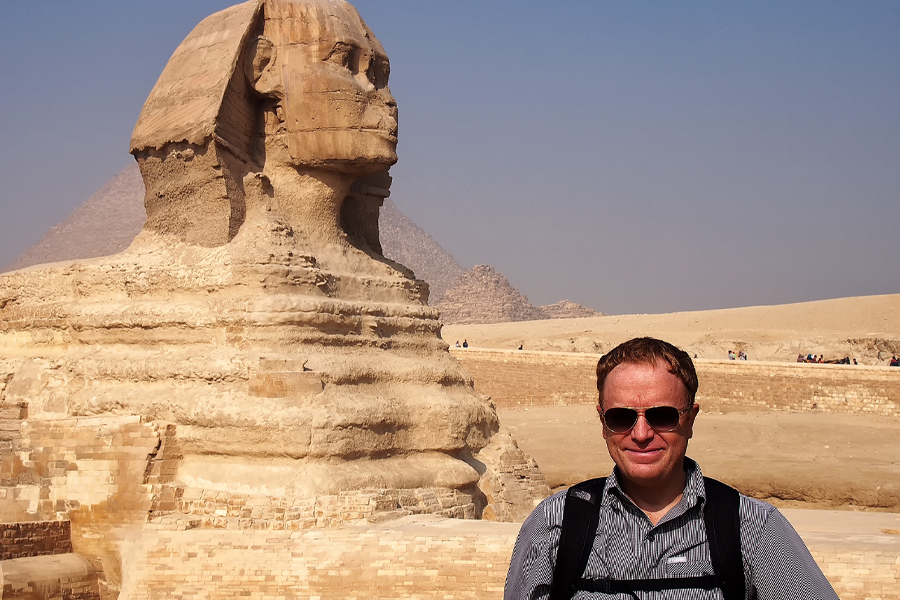
    The Great Sphinx of Giza is one of ancient Egypt’s most iconic and enigmatic symbols. Located on the Giza Plateau, just outside of Cairo, this colossal statue has fascinated people for centuries. Its origins date back over 4,500 years to the Old Kingdom of Egypt, making it one of the oldest and largest statues in the world. The Sphinx holds great significance in Egyptian history and culture, representing the ingenuity and artistic prowess of the ancient Egyptians.

    The history of the Great Sphinx is intertwined with the pyramids of Giza, as it was built near these monumental structures. It is believed that the Sphinx was constructed during the reign of Pharaoh Khafre, who ruled during the 4th Dynasty of the Old Kingdom. Khafre’s pyramid complex, including the famous Great Pyramid, is situated near the Sphinx, indicating a connection between the two.

    The Sphinx’s importance in Egyptian history lies in its role as a guardian figure. It was believed to protect the pyramids and their associated complexes from evil spirits and malevolent forces. The Sphinx’s lion body symbolized strength and power, while the human head represented the divine authority of the pharaoh. As such, the Sphinx embodied the ideal qualities of a ruler and served as a manifestation of the pharaoh’s divine connection.

    In Egyptian culture, the Sphinx held deep religious and mythological significance. It was associated with the sun god, Ra, and was believed to embody the sun’s power and protection. The Sphinx’s presence in the landscape was thought to bring blessings and ensure the eternal reign of the pharaoh. Its image and symbolism permeated various aspects of Egyptian society, including art, literature, and religious rituals.

    Over the centuries, the Great Sphinx has become a symbol of Egypt’s rich cultural heritage and a testament to the ancient Egyptians’ architectural and artistic achievements. Its enigmatic nature and imposing presence continue to captivate visitors and researchers alike. The Sphinx stands as a silent witness to the rise and fall of civilizations, a reminder of the greatness and enduring legacy of ancient Egypt.

    The History of the Great Sphinx of Giza

    The history of the Great Sphinx of Giza is shrouded in mystery and has been a subject of much speculation and research. While the exact date of its construction remains uncertain, several theories have emerged regarding its origins.

    One prevailing theory suggests that the Sphinx was built during the reign of Pharaoh Khafre, who ruled Egypt during the 4th Dynasty of the Old Kingdom. This theory is based on the Sphinx’s proximity to Khafre’s pyramid complex and the stylistic similarities between the Sphinx’s face and Khafre’s portraits. However, some alternative hypotheses propose an earlier construction date, possibly during the reign of Pharaoh Djedefre, Khafre’s predecessor.

    The Great Sphinx has witnessed significant historical events and figures throughout its existence. It stood as a prominent landmark during the time of the ancient Egyptians, witnessing the rise and fall of numerous pharaohs and dynasties. It was part of the grand funerary complex at Giza, which included the Khafre, Khufu, and Menkaure pyramids.

    During the Middle Ages, the Sphinx became a source of intrigue for travelers and explorers, including the famous Arab historian and traveler Ibn Battuta. Its image and reputation spread worldwide, capturing the imagination of those who heard tales of this colossal statue.

    Today, the Great Sphinx of Giza continues to captivate visitors worldwide. It remains an enduring symbol of Egypt’s ancient history and architectural achievements. The ongoing efforts to preserve and maintain this iconic monument ensure that future generations can marvel at its magnificence and glimpse into the mysteries of the past.

    The Significance of the Great Sphinx of Giza

    The Great Sphinx of Giza’s role in ancient Egyptian religion, its influence on art and culture throughout history, and its modern-day significance in tourism all contribute to its enduring appeal. It is a remarkable testament to human creativity, engineering, and the eternal connection between the past and the present. The Sphinx’s enigmatic presence fascinates and provokes curiosity, inviting further exploration and understanding of the ancient world.

    1. In ancient Egyptian religion and mythology

    The Sphinx played a prominent role. It was closely associated with the sun god, Ra, and represented the protective and benevolent powers of the divine. The Sphinx’s image embodied the strength and ferocity of a lion, symbolizing the pharaoh’s authority and ability to safeguard Egypt. The human head, believed to be a pharaoh, signified wisdom and divine kingship, establishing a connection between the pharaoh and the gods. The Sphinx was considered a sacred guardian, protecting the royal necropolis and sacred sites from malevolent forces.

    2. Influence on art and culture

    The influence of the Great Sphinx can be traced throughout the history of art and culture. Its imagery has been depicted in ancient Egyptian reliefs, paintings, and sculptures. The Sphinx’s distinctive appearance and symbolism also captivated the imagination of foreign cultures. Greek travelers during the Hellenistic period were particularly fascinated by the Sphinx, and their encounters with it inspired them to create their versions of the creature. The influence of the Sphinx extended to later periods, including the Renaissance, where it became a subject of artistic exploration and reinterpretation.

    3. Modern-day significance and tourism

    In modern times, the Great Sphinx of Giza remains a significant cultural and tourist attraction. It draws millions of visitors each year who are captivated by its grandeur and mystery. The Sphinx is a testament to Egypt’s rich history and architectural achievements, and its presence contributes to the allure and enchantment of the Giza Plateau.

    Tourism centered around the Great Sphinx economically benefits the local community and the Egyptian government. Visitors can explore the surrounding archaeological sites, such as the pyramids, and gain insights into the ancient world. The Sphinx’s enduring significance as a symbol of ancient Egypt continues to inspire and educate people from all walks of life, fostering a deeper appreciation for the country’s cultural heritage.

    The Great Sphinx’s Physical Appearance and Dimensions

    The Great Sphinx of Giza is an awe-inspiring monument that combines a lion’s body with a human’s head. Its physical appearance and massive dimensions contribute to its iconic status and intrigue.
    The construction of the Sphinx involved using large blocks of limestone quarried from the local area. The statue was carved from a single limestone outcrop, creating a monolithic structure.

    Theories about the Sphinx’s original purpose

    Theories about the Sphinx’s original purpose have sparked debates among researchers and Egyptologists. One prevailing theory suggests that the Sphinx was a guardian figure, protecting the nearby pyramids and temples from harm and evil spirits. Its prominent location and imposing presence were believed to ward off threats and provide divine protection to the pharaoh and the sacred sites.

    Another theory proposes that the Sphinx had a religious or astronomical significance. Some researchers believe the Sphinx aligned with certain celestial events, such as the rising sun during the spring equinox. This alignment could have symbolized the pharaoh’s connection to the sun god Ra and the eternal cycle of life and rebirth.

    Additionally, some theories suggest the Sphinx represented the pharaoh’s authority and divine kingship. The lion’s body symbolized strength and power, while the human head embodied intelligence and wisdom. The Sphinx, therefore, stood as a symbol of the pharaoh’s ability to protect and rule over Egypt with wisdom and might.

    Despite these theories, the exact purpose of the Sphinx remains a mystery, and researchers continue to explore and analyze various interpretations. The enduring enigma surrounding the Sphinx’s original purpose adds to its allure and captivates the imagination of those who encounter this ancient wonder.

    The Mysteries Surrounding the Great Sphinx

    One of the most enduring mysteries surrounding the Sphinx is the absence of its original nose and beard. The nose of the Sphinx is believed to have been damaged or destroyed during different periods, with various accounts attributing the damage to acts of vandalism, iconoclasm, or even target practice by Napoleon Bonaparte’s soldiers. However, the exact circumstances and time of the nose’s loss remain uncertain. Similarly, the absence of the Sphinx’s beard, which was once attached to its chin, has puzzled researchers. Theories suggest that it may have been intentionally removed, damaged over time, or stolen.

    Debates also arise regarding the Sphinx’s original face and identity. While many scholars believe that the Sphinx represents the pharaoh Khafre, others propose alternative identities. Some theories suggest that the Sphinx depicts a different pharaoh altogether, while others propose that it represents a mythical or composite figure rather than a specific historical individual. The lack of inscriptions or conclusive evidence has fueled these debates, leaving the true identity of the Sphinx open to interpretation.

    In conclusion, the Great Sphinx of Giza is an extraordinary testament to ancient Egypt’s rich history, culture, and architectural achievements. Its origins remain shrouded in mystery, with theories pointing to its construction during the reign of Pharaoh Khafre, though alternative interpretations exist. The Sphinx’s significance in ancient Egyptian religion and mythology as a guardian and symbol of divine kingship underscore its importance in the cultural and religious landscape of the time.

    Throughout history, the Great Sphinx of Giza has influenced art, culture, and thought. Its symbolism and imagery have been depicted in various art forms and have fascinated travelers and explorers for centuries. From ancient Egyptian reliefs to Renaissance art, the Sphinx’s enduring appeal has left an indelible mark on human creativity and imagination.

    The modern-day significance of the Great Sphinx is reflected in its status as a UNESCO World Heritage Site and its attraction to millions of tourists from around the globe. It stands as a reminder of Egypt’s ancient past and cultural heritage, inviting visitors to explore the wonders of the Giza Plateau and delve into the mysteries of the Sphinx.

    Read More of Cairo Attractions:

  • The Great Pyramids of Giza : The Top Secrets and Mysteries

    The Great Pyramids of Giza : The Top Secrets and Mysteries

    The Great Pyramids of Giza, located on the outskirts of modern-day Cairo, Egypt, are among the world’s most iconic and mysterious ancient structures. These magnificent monuments have stood the test of time and continue to captivate the imagination of people from all corners of the globe. This article will delve into the rich history, awe-inspiring architecture, enigmatic secrets, and cultural significance of the Great Pyramids.

    The Great Pyramids of Giza are a testament to the ancient Egyptians’ engineering prowess and ambition. Built as tombs for the pharaohs during the Old Kingdom period of ancient Egypt, they provide a window into the civilization’s past glory and advanced architectural techniques.

    History of the Great Pyramids of Giza

    The construction of the Great Pyramids began around 4,500 years ago during the reign of Pharaoh Khufu, also known as Cheops. It took an estimated 20 years and thousands of skilled laborers to complete the colossal structures. Over the centuries, subsequent pharaohs continued the pyramid-building tradition, resulting in around 80 pyramids in Egypt.

    Construction and Architecture

    The construction of the pyramids was a remarkable feat, considering the limited technological resources available at the time. The architects and builders meticulously planned and executed every aspect of the pyramids, employing sophisticated techniques to align them with celestial bodies and ensure their longevity.

    The pyramids were constructed using massive limestone blocks, quarried, and transported from nearby sites. The precise placement of these blocks, combined with an inner network of passageways and chambers, allowed the pyramids to withstand the test of time.

    The Three Main Pyramids

    The Great Pyramids of Giza consist of three main pyramids, each associated with a different pharaoh.

    Khufu’s Pyramid

    Khufu’s Pyramid, also known as the Great Pyramid, is the largest and oldest of the three. It stood approximately 138 meters tall and was the tallest man-made structure in the world for over 3,800 years. The construction techniques employed in Khufu’s Pyramid remain fascinating and debated among scholars.

    Khafre’s Pyramid

    Khafre’s Pyramid, built by Pharaoh Khafre, is slightly smaller than Khufu’s Pyramid but appears taller due to its elevated location. It is known for its prominent Sphinx, a colossal statue with the body of a lion and the head of a pharaoh, which guards the entrance to the complex.

    Menkaure’s Pyramid

    Menkaure’s Pyramid, ‘s smallest of the three main pyramids, was constructed by Pharaoh Menkaure. It showcases intricate architectural details and is flanked by smaller and queen pyramids.

    The Sphinx

    Adjacent to Khafre’s Pyramid stands the enigmatic Sphinx, a limestone statue believed to represent the pharaoh Khafre himself. The Sphinx has fascinated people for centuries with its enigmatic smile and imposing presence. It is surrounded by legends and theories about its purpose and hidden chambers.

    What is the Purpose of the Giza Pyramids?

    The Great Pyramids of Giza held immense religious and spiritual significance for the ancient Egyptians. They were designed to serve as eternal resting places for the pharaohs, believed to ascend to the heavens and join the gods upon death. The pyramids were filled with treasures, artifacts, and offerings to ensure the pharaoh’s smooth transition into the afterlife.

    Secrets and Mysteries

    The Great Pyramids of Giza have long been surrounded by an air of secrecy and intrigue, giving rise to numerous theories and captivating mysteries. These enigmatic structures continue to bewilder researchers, historians, and enthusiasts, offering glimpses into ancient Egypt’s rich past and raising questions that still challenge our understanding today.

    One enduring mystery is the precise construction methods employed by the ancient Egyptians. How could they transport massive limestone blocks from quarries located miles away? What tools and techniques did they utilize to achieve such precise alignments and intricate carvings? Despite ongoing studies and research, some aspects of the construction process remain elusive, leaving room for speculation and wonder.

    Another perplexing question revolves around the purpose of the pyramids’ intricate internal passageways and chambers. While the primary function was to serve as royal tombs, some theorists propose additional hidden purposes. The possibility of undiscovered chambers or secret compartments within the pyramids continues to captivate imaginations. Archaeologists and explorers have made exciting discoveries in recent years, such as the hidden void discovered in the Great Pyramid, using advanced imaging techniques. These findings fuel the hope that these ancient marvels are still waiting to unveil secrets.

    The alignment of the pyramids with celestial bodies adds to their mystique. The precision with which the pyramids are oriented toward specific astronomical features, such as the solstices and certain stars, has led to theories suggesting an advanced knowledge of astronomy by the ancient Egyptians. Some researchers propose that the pyramids were not only monumental tombs but also celestial observatories or even power stations, harnessing the energies of the cosmos.

    The absence of hieroglyphic inscriptions and other explicit records within the pyramids has also given rise to speculation. While the walls of other ancient Egyptian structures are adorned with detailed texts and pictorial representations, the pyramids, particularly their inner chambers, remain relatively bare. This absence of information raises questions about the intended purpose of these sacred spaces and leaves room for alternative interpretations.

    In recent times, ground-penetrating radar and other non-invasive techniques have been employed to explore the pyramids’ interiors without causing damage. These advancements have led to exciting discoveries like hidden chambers and passageways. However, the full extent of what lies beneath the surface of the pyramids remains a tantalizing mystery, awaiting further exploration and technological advancements.

    The secrets and mysteries of the Great Pyramids of Giza continue to fascinate us, encouraging exploration, research, and speculation. They serve as a reminder of the extraordinary achievements of the ancient Egyptians and their enduring legacy. The enigma surrounding these majestic structures only deepens our appreciation for the mysteries still hidden within the sands of time.

    Visiting the Giza Pyramids for Tourists

    The Great Pyramids of Giza are ancient wonders and popular tourist attractions that draw millions of visitors worldwide each year. People witness these architectural marvels firsthand, immerse themselves in the rich history of ancient Egypt, and experience the awe-inspiring grandeur of the pyramids.

    The Giza Plateau, where the pyramids are located, offers visitors a unique opportunity to step back in time and explore the remnants of a once-great civilization. As visitors approach the site, the iconic silhouette of the pyramids against the desert backdrop creates a sense of anticipation and wonder.

    Upon arrival, visitors are greeted by the pyramids’ sheer magnitude and intricate details. The monumental structures built thousands of years ago inspire awe and admiration. The precision with which the pyramids were constructed leaves visitors marveling at the ancient Egyptians’ engineering skills and the sheer audacity of their architectural achievements.

    One of the highlights of a visit to the pyramids is the chance to venture inside these ancient tombs. While not all of the pyramids are open to the public, there are designated entrances that allow visitors to explore the inner chambers of some pyramids. Stepping into these sacred spaces, visitors can glimpse the complex network of passages and chambers beneath the surface.

    Inside the pyramids, visitors can marvel at the hieroglyphic inscriptions, intricate carvings, and burial chambers that once held the pharaohs and their treasures. The sense of history and the realization that these structures have endured for thousands of years create a profound connection to the past and a reverence for the ancient civilization that built them.

    The site of the Great Pyramids of Giza offers more than just the pyramids. The complex also includes the majestic Sphinx, a colossal statue with a lion’s body and a pharaoh’s head. The Sphinx stands as a symbol of strength and power, guarding the entrance to the pyramid complex. Visitors can marvel at the intricate details of this iconic statue and learn about the legends and mysteries surrounding it.

    Visiting the Great Pyramids of Giza is a transformative experience that leaves a lasting impression on travelers. It allows people to connect with the past, marvel at human ingenuity, and appreciate the timeless beauty of these ancient structures. The pyramids continue to be a testament to the enduring legacy of ancient Egypt and a must-visit destination for anyone seeking a profound cultural and historical journey.

    Cultural Impact and Symbolism

    The Great Pyramids of Giza hold immense cultural significance for Egypt and the world. They symbolize the ancient Egyptians’ mastery of engineering, complex religious beliefs, and enduring legacy as one of the greatest civilizations in history. The pyramids have inspired countless works of art, literature, and popular culture, leaving an indelible mark on human history.

    The Great Pyramids of Giza are a testament to the ancient Egyptians’ architectural brilliance and cultural sophistication. These awe-inspiring structures continue to capture the imagination and curiosity of people worldwide. As we marvel at their grandeur and contemplate their mysteries, the Great Pyramids remain an enduring symbol of human achievement and a tangible link to our distant past.

    Conclusion

    The Great Pyramids of Giza are eternal guardians of ancient Egypt’s rich history and remarkable achievements. These awe-inspiring structures built thousands of years ago, continue to captivate the imagination of people from all corners of the globe. The pyramids hold a special place in our collective consciousness, from their impressive architecture and enigmatic secrets to their cultural significance and enduring allure.

    Visiting the Great Pyramids is an experience that transcends time. As visitors walk in the footsteps of pharaohs, they are transported to a bygone era, where ancient civilizations flourished along the banks of the Nile. The sheer magnitude and precision of the pyramids evoke a sense of wonder and admiration for the ingenuity and craftsmanship of the ancient Egyptians.

    Exploring the inner chambers and passageways of the pyramids offers a rare glimpse into the rituals, beliefs, and burial practices of a civilization long gone. Hieroglyphic inscriptions and intricate carvings tell stories of gods, pharaohs, and the journey to the afterlife. Each step deepens the connection to the past, leaving an indelible impression of the grandeur and complexity of ancient Egypt.

    Beyond their historical significance, the Great Pyramids of Giza serve as cultural symbols, resonating with people across the globe. They inspire artists, writers, and dreamers, sparking a sense of curiosity and sparking imagination. The pyramids have become icons of human achievement, representing the ingenuity and perseverance of the human spirit.

    While the mysteries and secrets of the pyramids continue to intrigue scholars and enthusiasts, their timeless appeal extends beyond academia. They beckon travelers from far and wide, inviting them to witness the marvels of antiquity and discover the wonders of an ancient civilization.

    As we stand in awe of the Great Pyramids, we are reminded of the vastness of human history and our place within it. These monumental structures connect us to our roots, reminding us of the enduring legacy of our ancestors and the profound impact they have left on the world.

    Visiting the Great Pyramids of Giza is an opportunity to embrace the past, celebrate human achievement, and gain a deeper understanding of the wonders within history and archaeology. It is a journey that enlightens, inspires, and leaves an everlasting imprint on the souls of those fortunate enough to experience its magic.

    Read More of Cairo Attractions:

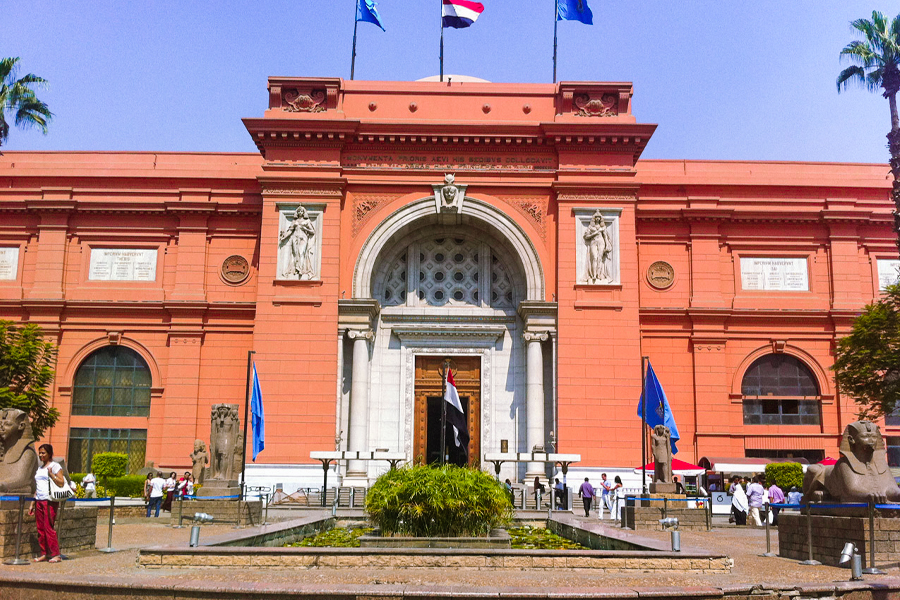
  • The Egyptian Museum: Preserving Egypt’s Rich History

    The Egyptian Museum: Preserving Egypt’s Rich History

    The Egyptian Museum is a magnificent testament to Egypt’s extraordinary history and the rich cultural heritage that has fascinated people for centuries. As one of the world’s most significant museums, it is crucial in preserving and showcasing Egypt’s ancient treasures. With its vast collection of artifacts and captivating exhibits, the Egyptian Museum provides visitors with an unparalleled journey through the remarkable civilization of ancient Egypt.

    The History of the Egyptian Museum

    The establishment of the Egyptian Museum dates back to 1835, when the ruler of Egypt, Muhammad Ali Pasha, recognized the importance of preserving the country’s historical treasures. Initially, the museum was housed in a small building near the Ezbekeyah Garden in Cairo. However, as the collection grew, it became evident that a more substantial space was necessary to accommodate the expanding artifacts.

    In 1902, the museum’s current location was inaugurated, and it has since undergone various developments and expansions to accommodate the ever-increasing number of exhibits. Throughout its history, the Egyptian Museum has witnessed significant events and milestones, including the discovery of the famous tomb of Tutankhamun in 1922, which unveiled a treasure trove of artifacts that continue to captivate the world today.

    The Egyptian Museum Collections and Exhibits

    The Egyptian Museum boasts an awe-inspiring collection of over 120,000 ancient Egyptian artifacts. The exhibits are divided into various sections, offering visitors a comprehensive exploration of the diverse aspects of ancient Egyptian life. From mummies and sarcophagi to jewelry and statues, the museum’s collections provide invaluable insights into this remarkable civilization’s beliefs, traditions, and achievements.

    Among the most famous exhibits in the museum is the Tutankhamun Gallery, which houses the treasures unearthed from the young pharaoh’s tomb. Visitors can marvel at the iconic golden mask, intricately crafted jewelry, and other exquisite artifacts that reveal the opulence and artistry of the ancient Egyptians. Another must-see is the Royal Mummy Room, where visitors can glimpse the well-preserved remains of Egypt’s most powerful pharaohs.

    Unique artifacts and treasures found in the museum are not limited to the renowned exhibits. The museum holds an impressive collection of papyrus scrolls, ancient manuscripts, and beautifully painted coffins, shedding light on the ancient Egyptians’ written language, religious practices, and funerary customs. Each artifact tells a story, forming a tapestry that brings Egypt’s past to life.

    Planning to Visit the Egyptian Museum?

    If you plan a trip to Egypt, visiting the Egyptian Museum is necessary. This world-renowned museum is a treasure trove of ancient artifacts and provides a fascinating insight into the civilization that once thrived along the Nile. To help you make the most of your visit, here are some essential tips and information:

    Consider taking a guided tour to enhance your understanding of the displayed artifacts. Knowledgeable guides can provide valuable insights and share intriguing stories about ancient Egypt. Alternatively, you can rent audio guides in different languages to explore the museum at your own pace.

    The Egyptian Museum is vast, with over 120,000 artifacts on display. To fully appreciate the exhibits and delve into the rich history, allocating a significant amount of time is recommended. Plan for at least a few hours to explore the museum thoroughly, if not a full day. Take breaks, grab a snack at the on-site café, and make the most of your visit.

    Highlights and Must-See Exhibits

    While every exhibit in the Egyptian Museum is worth exploring, a few highlights should not be missed. The Tutankhamun Gallery is a must-see, featuring the dazzling treasures discovered in the young pharaoh’s tomb. The Royal Mummy Room, where the well-preserved remains of Egypt’s ancient rulers are displayed, is another intriguing section.

    Photography and Etiquette

    Photography is allowed in most museum areas, but respecting the rules and guidelines is essential. Avoid using flash photography, as it can be damaging to the artifacts. Additionally, be mindful of your surroundings and avoid touching the exhibits or leaning on display cases to preserve these delicate historical treasures.

    By visiting the Egyptian Museum, you have the opportunity to witness the wonders of ancient Egypt and contribute to preserving its rich history. Remember to show respect for the artifacts and follow the museum’s guidelines. Immerse yourself in the captivating world of pharaohs, mummies, and timeless treasures, and let the Egyptian Museum take you on an unforgettable journey through the splendors of the past.

    Future of the Egyptian Museum

    The future of the Egyptian Museum holds both exciting prospects and important challenges. As one of the world’s most important cultural institutions, ongoing plans and initiatives aim to ensure the museum’s continued relevance and preservation for future generations.

    One of the critical aspects of the museum’s future is the plan for expansion and renovation. The Egyptian government has committed to a comprehensive revitalization project recognizing the need for additional space and improved facilities. This project aims to create a modern and immersive museum experience to enhance visitors’ understanding and appreciation of Egypt’s ancient civilization. The expansion will provide room for more exhibits, improved exhibition spaces, and state-of-the-art facilities to enhance the overall visitor experience.

    In addition to physical changes, the museum faces challenges that must be addressed to secure its future. Preservation of the delicate artifacts within the museum is of utmost importance. Efforts must be made to ensure proper conservation techniques, controlled environmental conditions, and effective security measures to safeguard these invaluable treasures. Furthermore, ongoing research and collaboration with international experts in preservation and archaeology are crucial for the continued care and maintenance of the museum’s collections.

    Another challenge faced by the Egyptian Museum is the preservation of cultural heritage during times of political instability or conflict. Egypt’s rich history has seen its fair share of challenges, and the museum has endured uncertain periods. It is imperative that the government and the international community recognize the museum’s significance and that measures are in place to protect it during times of unrest.

    Despite these challenges, the future of the Egyptian Museum remains promising. It will continue to serve as a vital educational resource and a beacon for cultural tourism in Egypt. The museum’s expansion and renovation plans, coupled with a commitment to preservation and the global community’s support, will ensure its ongoing relevance and importance for future generations.

    Preserving the Egyptian Museum is not just about safeguarding the artifacts within its walls; it is about preserving the legacy of an extraordinary civilization and sharing it with the world. Travelers and enthusiasts alike can contribute to the continued protection and appreciation of Egypt’s rich cultural heritage by visiting the museum and supporting its preservation efforts. Together, we can ensure that the Egyptian Museum remains a symbol of the past and a source of inspiration for future generations.

    Conclusion

    In conclusion, the Egyptian Museum stands as a testament to the greatness of ancient Egypt and its enduring impact on the world. Through its remarkable collections and captivating exhibits, it offers an immersive journey into a civilization that has fascinated people for centuries. Travelers can visit this extraordinary museum and witness the surviving treasures.

    By supporting and visiting the Egyptian Museum, we contribute to preserving Egypt’s rich history and cultural heritage. Our responsibility is to appreciate and safeguard these invaluable artifacts, ensuring they continue to inspire and educate future generations. So, if you find yourself in Cairo, don’t miss the opportunity to explore the Egyptian Museum and embark on a remarkable voyage through the wonders of ancient Egypt.

    Read More of Cairo Attractions:

  • The Ben Ezra Synagogue: A Testament to Jewish Heritage in Egypt

    The Ben Ezra Synagogue: A Testament to Jewish Heritage in Egypt

    Nestled in the vibrant city of Cairo, Egypt, the Ben Ezra Synagogue stands a remarkable testament to Jewish heritage and history. The synagogue continues to captivate visitors worldwide with its rich historical significance and unique architectural features. Let’s explore the captivating story of the Ben Ezra Synagogue, a place that has witnessed centuries of Jewish presence in Egypt.

    The History of the Ben Ezra Synagogue 

    The Origins of the synagogue

    The origins of the Ben Ezra Synagogue trace back to the early Middle Ages. Legend has it that the synagogue’s name derives from an ancient tale involving the prophet Ezra himself, who is believed to have discovered the hidden treasure trove of sacred Hebrew texts within its walls.

    Uses of the building over time

    Over the centuries, the synagogue underwent several transformations and was repurposed for various uses. It served as a church during the Byzantine era and later became a synagogue once again under Muslim rule. The synagogue’s diverse history reflects the ebb and flow of religious and cultural influences that shaped Egypt’s past.

    In recent times, restoration efforts have been instrumental in preserving the synagogue’s architectural beauty and historical significance. Thanks to the dedication of scholars, architects and the support of organizations committed to cultural preservation, the Ben Ezra Synagogue stands today as a living testament to the enduring legacy of the Jewish community in Egypt.

    The Ben Ezra Architecture and Design

    The architecture of the Ben Ezra Synagogue is a blend of styles that evolved over centuries. Its distinct design elements showcase a harmonious fusion of Islamic, Mamluk, and Coptic influences. As you step inside, a breathtaking central dome and intricately carved wooden panels greet you, each telling their own story.

    The synagogue’s design is replete with symbolism. The ark, containing sacred Torah scrolls, is prominent in the synagogue, symbolizing the eternal connection between the Jewish people and their faith. Delicate motifs and inscriptions adorn the walls, embodying the rich tapestry of Jewish history and spirituality.

    Compared to other synagogues in the region, the Ben Ezra Synagogue stands out for its unique blend of architectural styles and its ability to encapsulate the cultural and religious diversity of the Jewish community in Egypt.

    The Significance of Jewish Culture

    The Ben Ezra Synagogue holds immense significance in Jewish culture and religious practices. It serves as a place of worship, study, and communal gathering for Jews in Egypt. The synagogue has witnessed countless prayers, celebrations, and moments of reflection, fostering a strong sense of community and continuity.

    Beyond its role in Jewish religious practices, the Ben Ezra Synagogue is deeply connected to Jewish history and heritage. It serves as a tangible reminder of the presence of Jews in Egypt since ancient times. The synagogue has played a vital role in preserving Jewish identity and traditions amidst a changing social and political landscape.

    The impact of the Ben Ezra Synagogue extends beyond Egypt’s borders, reaching Jewish communities worldwide. Its history and cultural significance served as a bridge between the past and the present, fostering a sense of belonging and shared heritage among Jews globally.

    Tips for Experiencing the Synagogue’s History and Culture

    For those planning to visit Egypt, a trip to the Ben Ezra Synagogue is an enriching and educational experience. When visiting the synagogue, it’s essential to respect its religious significance and follow any guidelines provided by the caretakers.

    Take the time to explore the synagogue’s architectural marvels, paying attention to the intricate details and symbolism embedded within its walls. Engage with knowledgeable guides who can provide insights into the synagogue’s history and place in Egyptian and Jewish heritage.

    Preserving the Ben Ezra Synagogue for future generations is of utmost importance. By supporting initiatives aimed at restoration and maintenance, we can ensure that this great historic site continues to inspire and educate visitors from all walks of life, fostering intercultural understanding and appreciation.

    The importance of the Ben Ezra Synagogue

    Historical Significance: The Ben Ezra Synagogue is deeply rooted in Jewish history, dating back to ancient times. Its existence and continuous use throughout centuries provide a tangible link to the presence of Jews in Egypt over the ages. The synagogue has witnessed the rise and fall of empires, religious transformations, and cultural shifts, making it a living testament to the resilience and endurance of the Jewish people.

    Cultural Heritage

    The synagogue is an invaluable repository of Jewish cultural heritage. It embodies the traditions, rituals, and values passed down through generations. The architectural design, the sacred Torah scrolls, and the walls’ inscriptions all contribute to preserving and transmitting Jewish customs and identity. It serves as a symbol of Jewish continuity and a reminder of the diverse cultural fabric that shaped Egypt’s past.

    Religious Significance

    As a place of worship, the Ben Ezra Synagogue is central to Jewish religious practices. It serves as a sanctuary for prayer, study, and communal gatherings, fostering a sense of belonging and connection within the Jewish community. The ark, containing the Torah scrolls, represents the heart of the synagogue, symbolizing the sacred covenant between God and the Jewish people. It is a place where spiritual nourishment and devotion flourish.

    Interfaith Dialogue

    The Ben Ezra Synagogue can potentially promote interfaith dialogue and understanding. It symbolizes coexistence, showcasing the historical and cultural intersections between Judaism, Islam, and Christianity. The shared heritage within the synagogue’s walls bridges different faith traditions, fostering mutual respect and appreciation for diverse religious practices.

    Tourism and Education

    The Ben Ezra Synagogue attracts visitors worldwide, contributing to cultural tourism and promoting cross-cultural exchange. It allows travelers to learn about Jewish history, explore the architecture, and engage with the local community. Visiting the synagogue gives tourists insights into the rich tapestry of Egyptian and Jewish heritage, fostering greater understanding and appreciation for cultural diversity.

    Preserving the Ben Ezra Synagogue is crucial for ensuring that future generations can continue to learn from its historical, cultural, and religious significance. It serves as a reminder of the need to celebrate and protect Jewish heritage and culture, contributing to a more inclusive and harmonious society where diverse narratives are valued and respected.

    Read More of Cairo Attractions:

Order via WhatsApp